






In Italy, What Earth Can Tell Us About Extraterrestrial Life


To date, Earth remains the only inhabited world we know, which is why astrobiologists — loosely defined as those scientists seeking to understand the potential for life elsewhere in the universe — spend a good deal of time studying our home planet. And Italy, it seems, provides particularly fertile ground for such explorations.
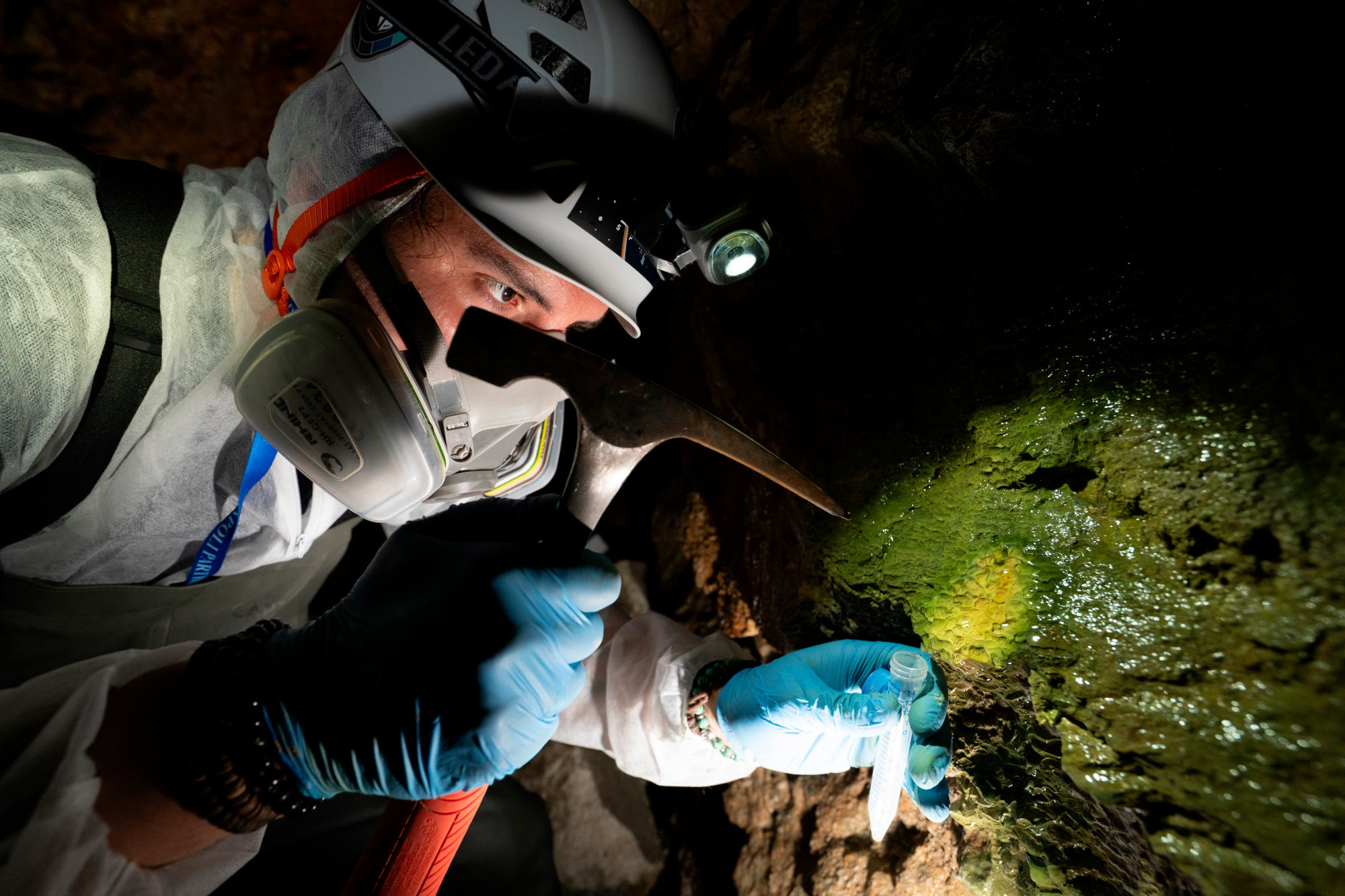
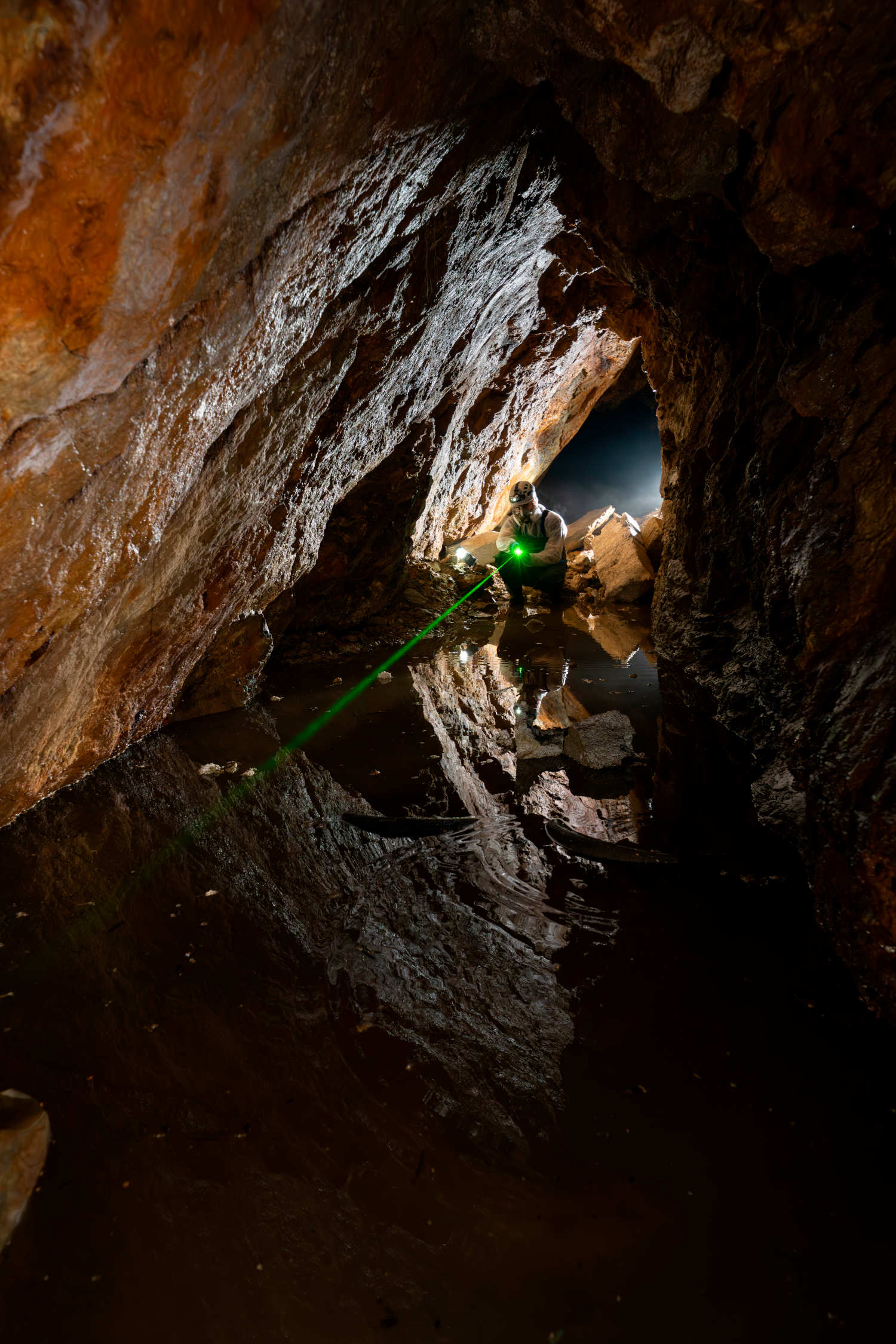
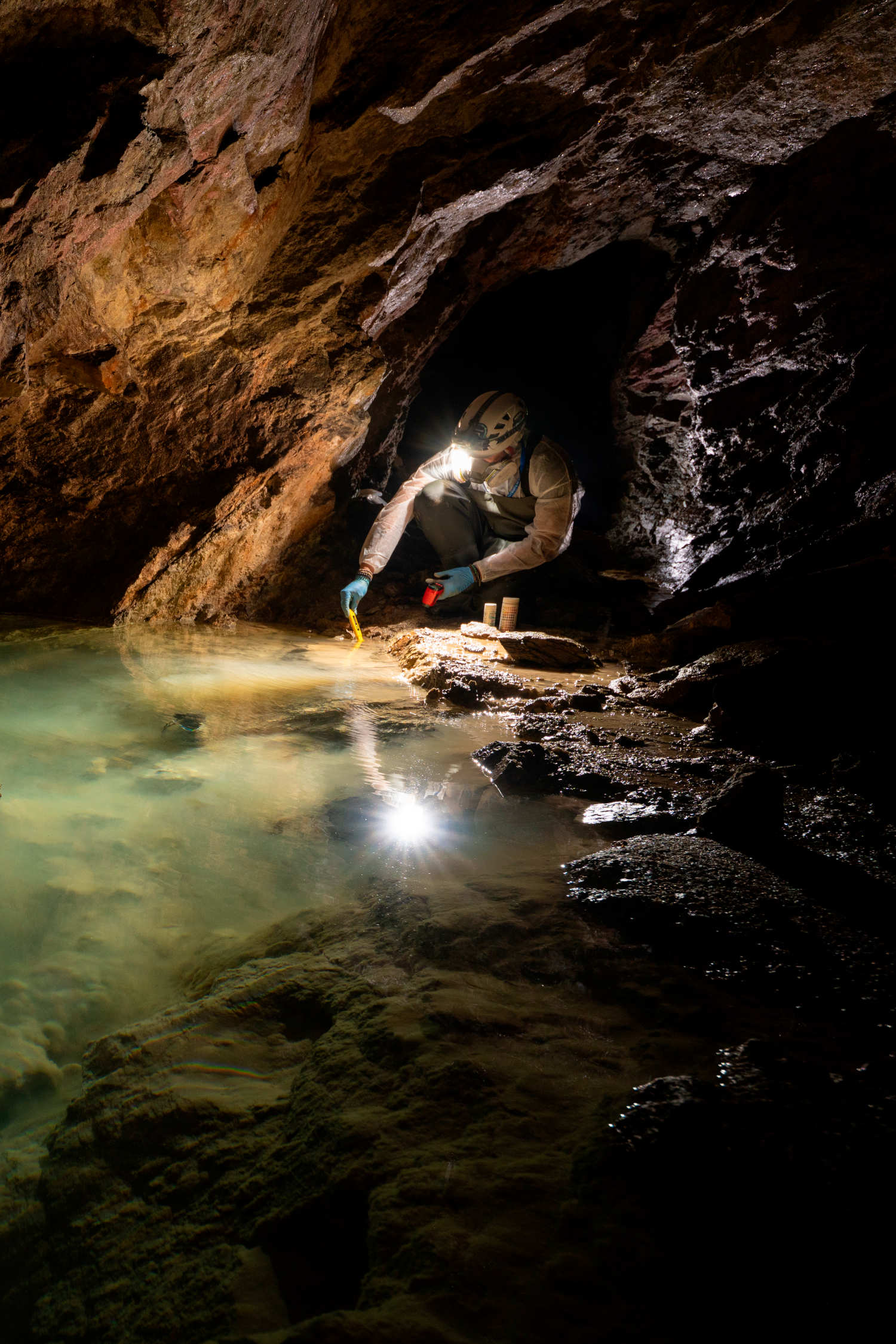
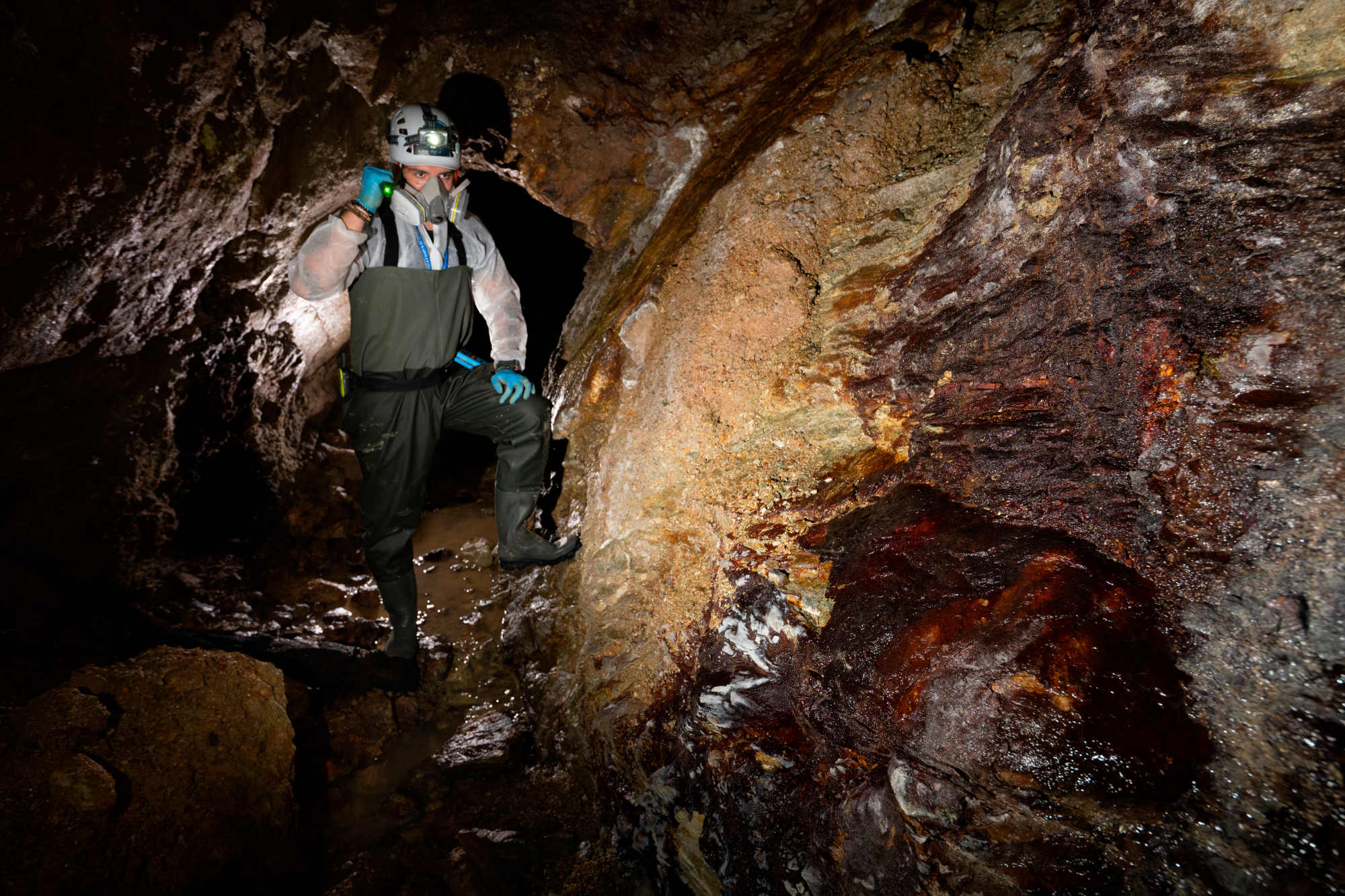
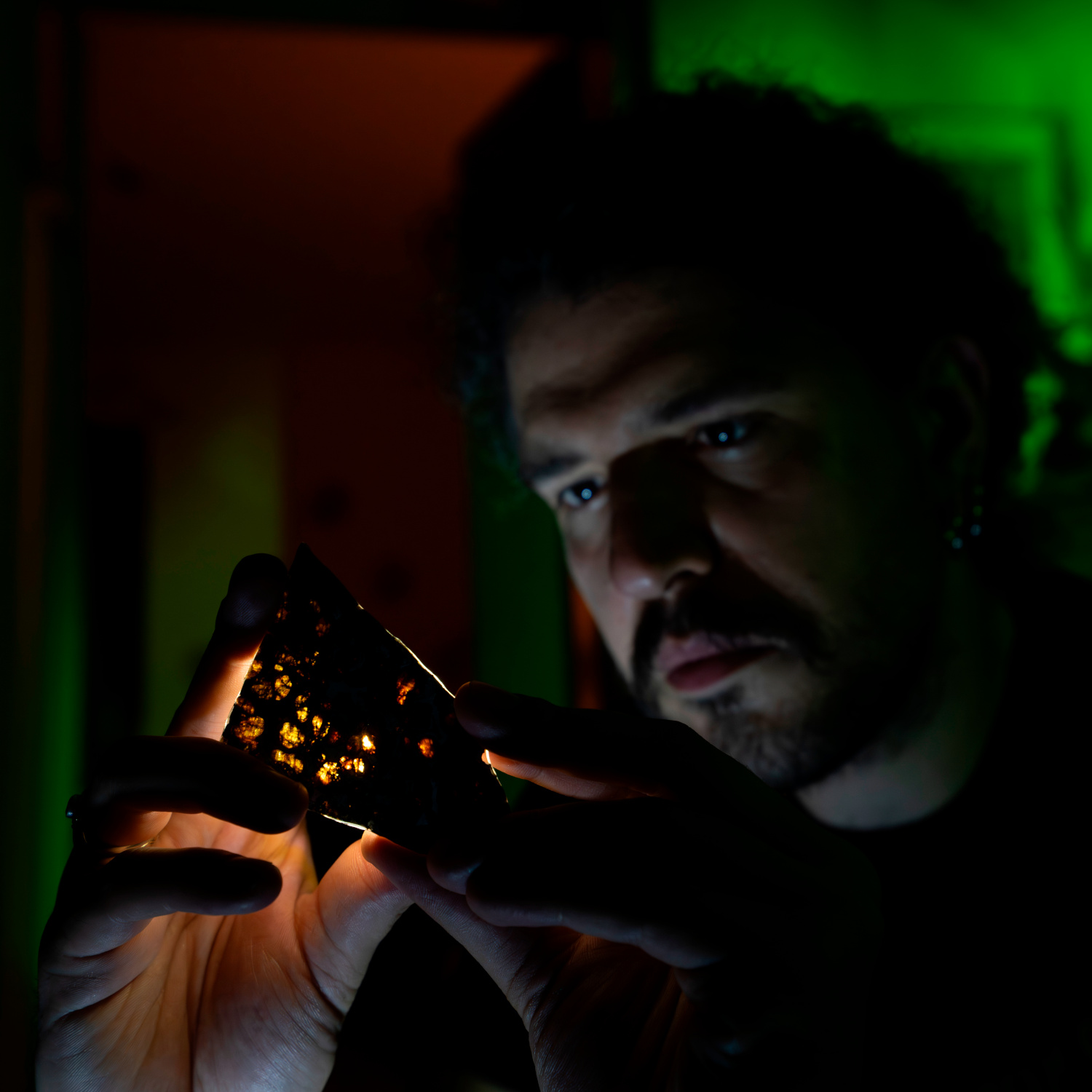
For Luca Tonietti, an astrobiologist at the University of Naples, Parthenope in Italy, the quest leads to the dark recesses of abandoned mines that dot the Italian landscape. Shielded from ultraviolet radiation, poor in organic nutrients and, at times, rich in iron-bearing minerals, these lightless, underground crypts are thought to resemble conditions on Mars, where many researchers believe life might well have thrived in some distant past. If any form of life still exists on the Red Planet, Tonietti suspects it will be found beneath the surface or in deep caves — and it may rely on survival strategies similar to those of the mine-dwelling microbes he studies here on Earth.

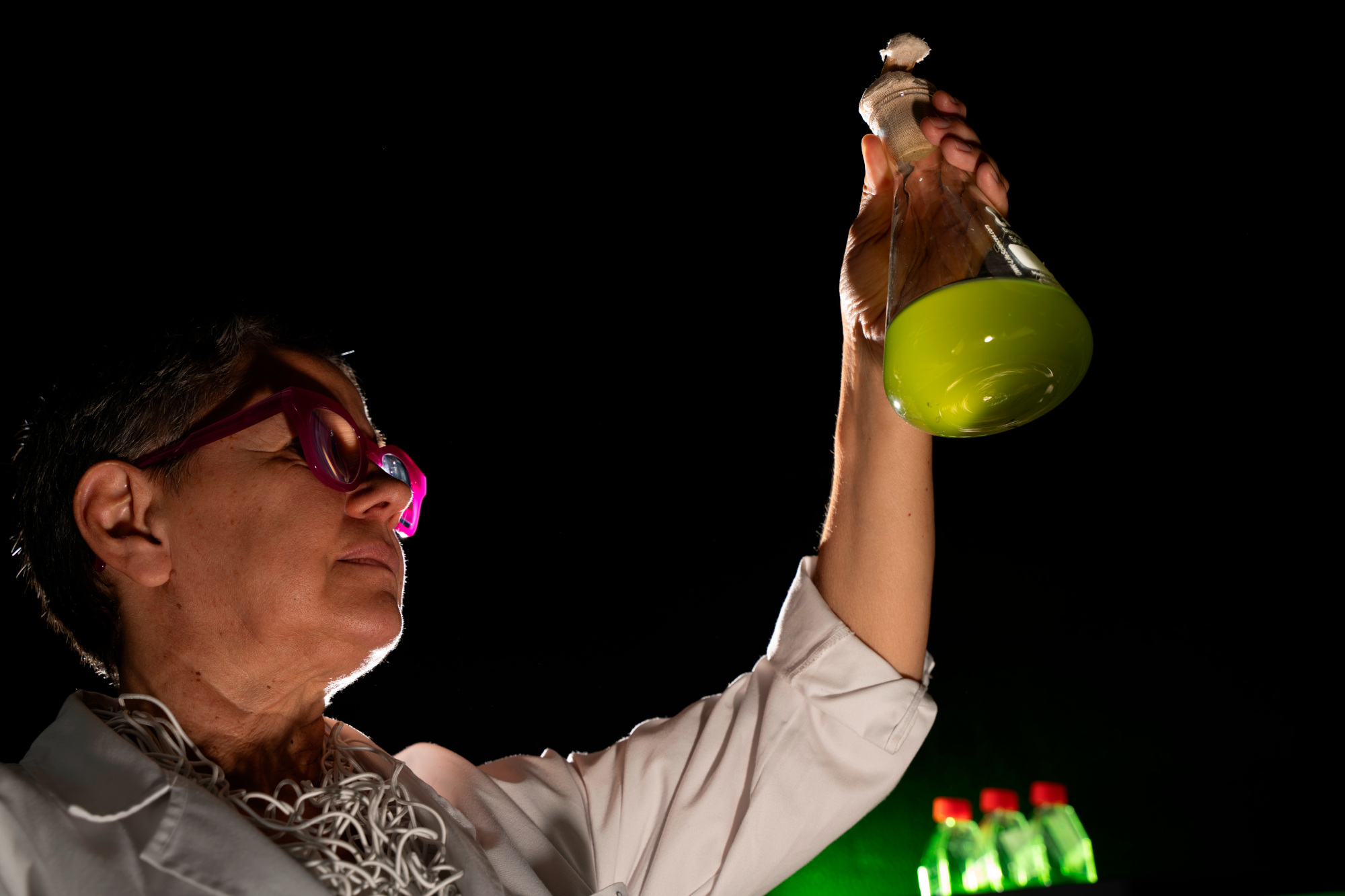
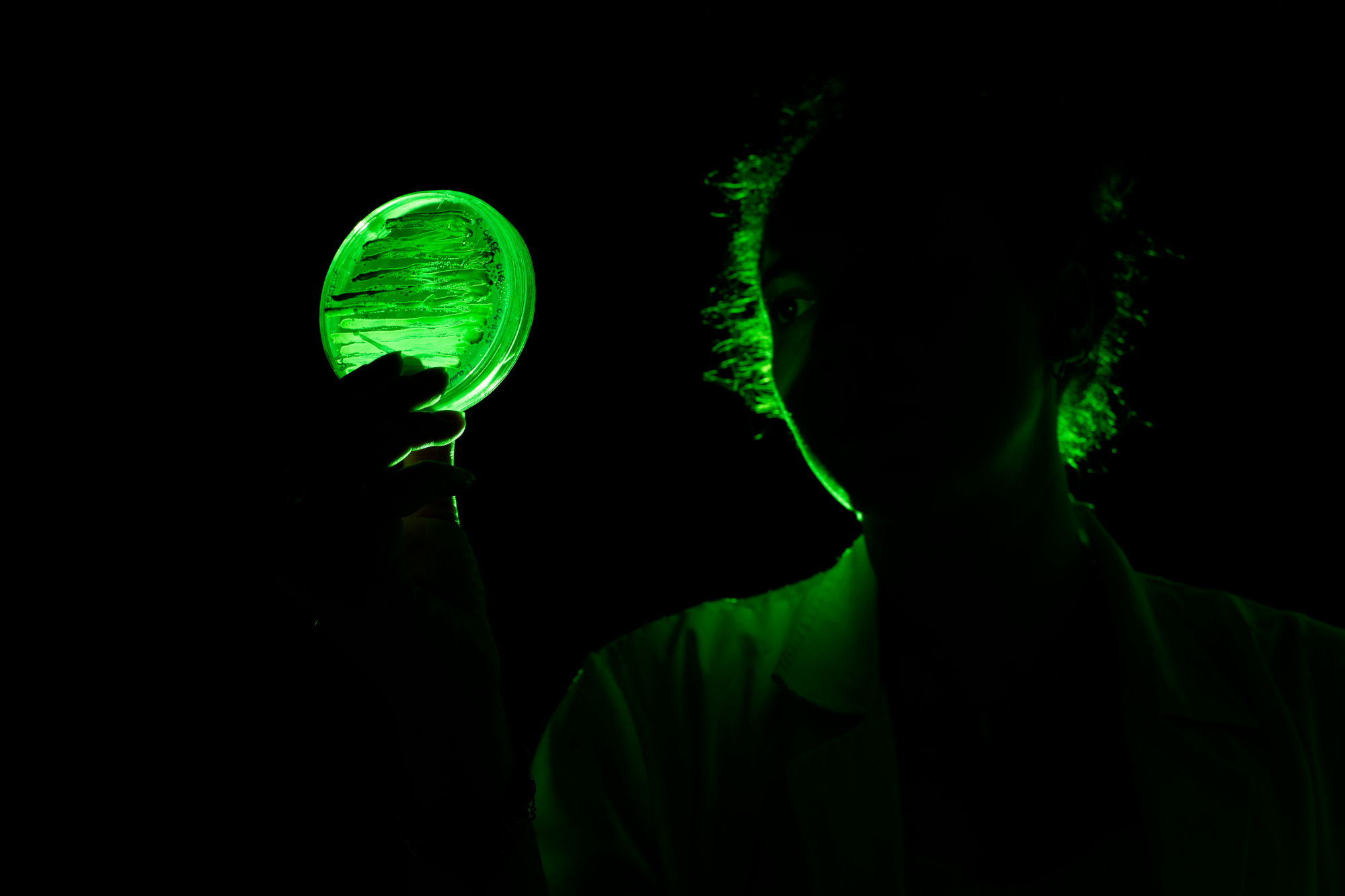
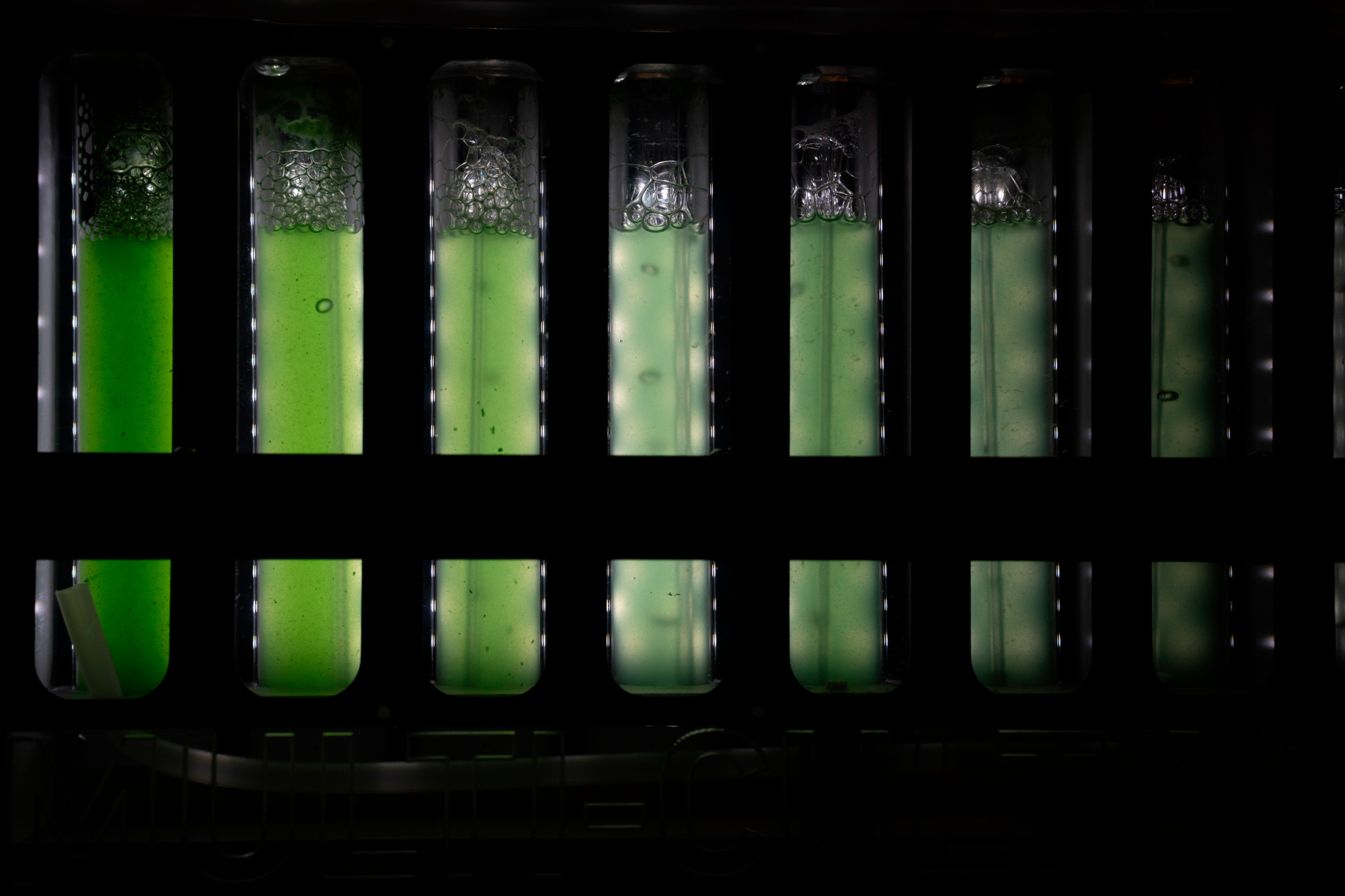
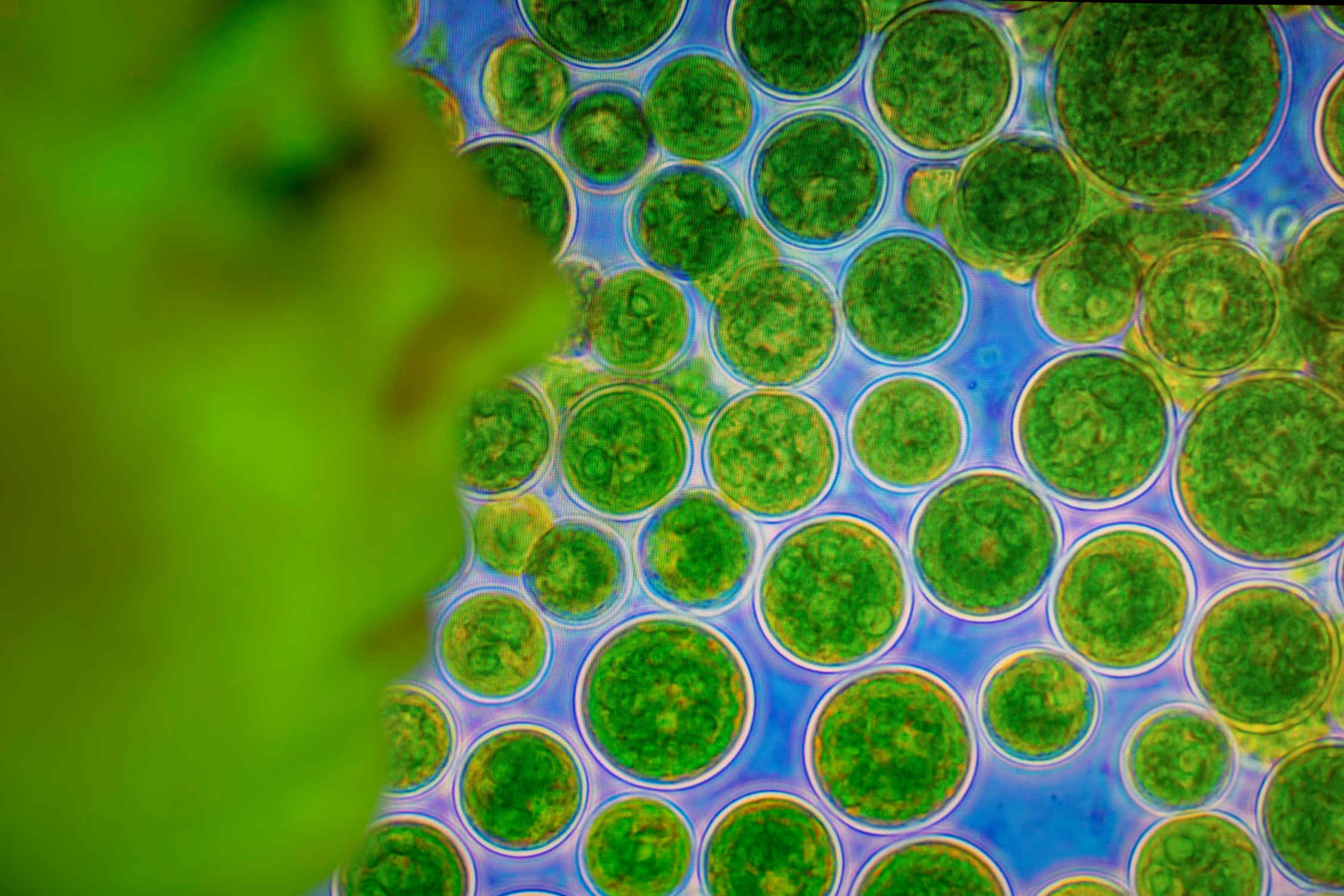
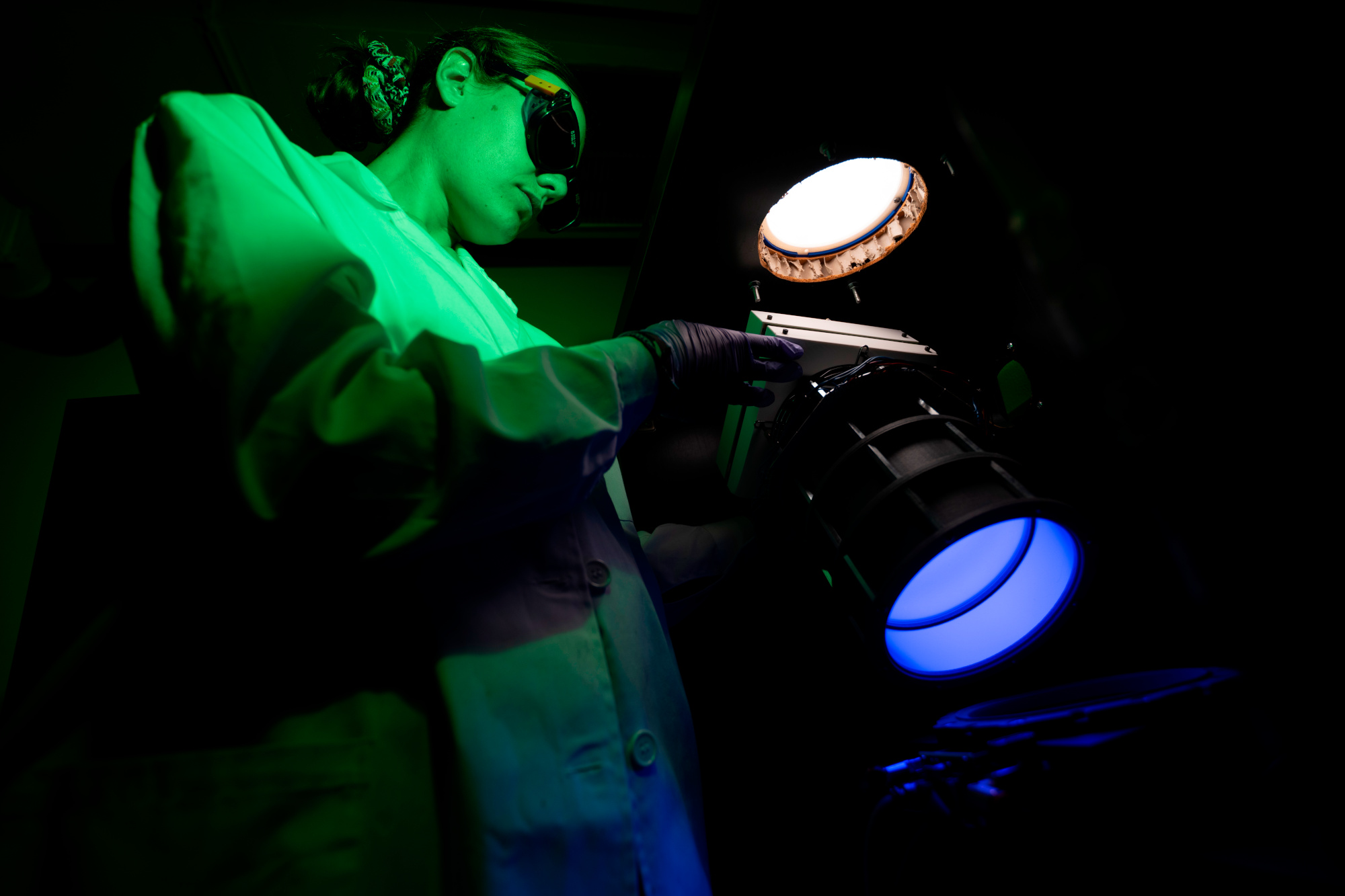
Other researchers in the field seek to recreate extraterrestrial conditions inside the laboratory. Nicoletta La Rocca, a plant physiologist at the University of Padova, collects cyanobacteria from places like the hot springs of the Euganean Hills in northern Italy and exposes them to simulated red-dwarf starlight. Red dwarfs are the smallest, coolest, and faintest stars that burn hydrogen, and La Rocca wants to know whether photosynthetic life as we know it could thrive beneath their faint orange glow. To find out, she turns to organisms whose lineages survived the harsh conditions of early Earth — and so far, her experiments seem to suggest that photosynthesis might be more flexible than previously thought.
The discipline is similarly diverse: Some astrobiologists and allied researchers spend their careers hunting for traces of Earth’s earliest life forms, for example, so that we might better spot similar traces of life if we stumble onto them elsewhere in the universe. Other scientists focus on microbes that thrive in the harsh conditions found in the Earth’s hydrothermal vents — in the hopes of understanding how life might respond to similar conditions on Enceladus, the sixth largest moon of Saturn and a hotbed of scientific speculation around potential alien life.
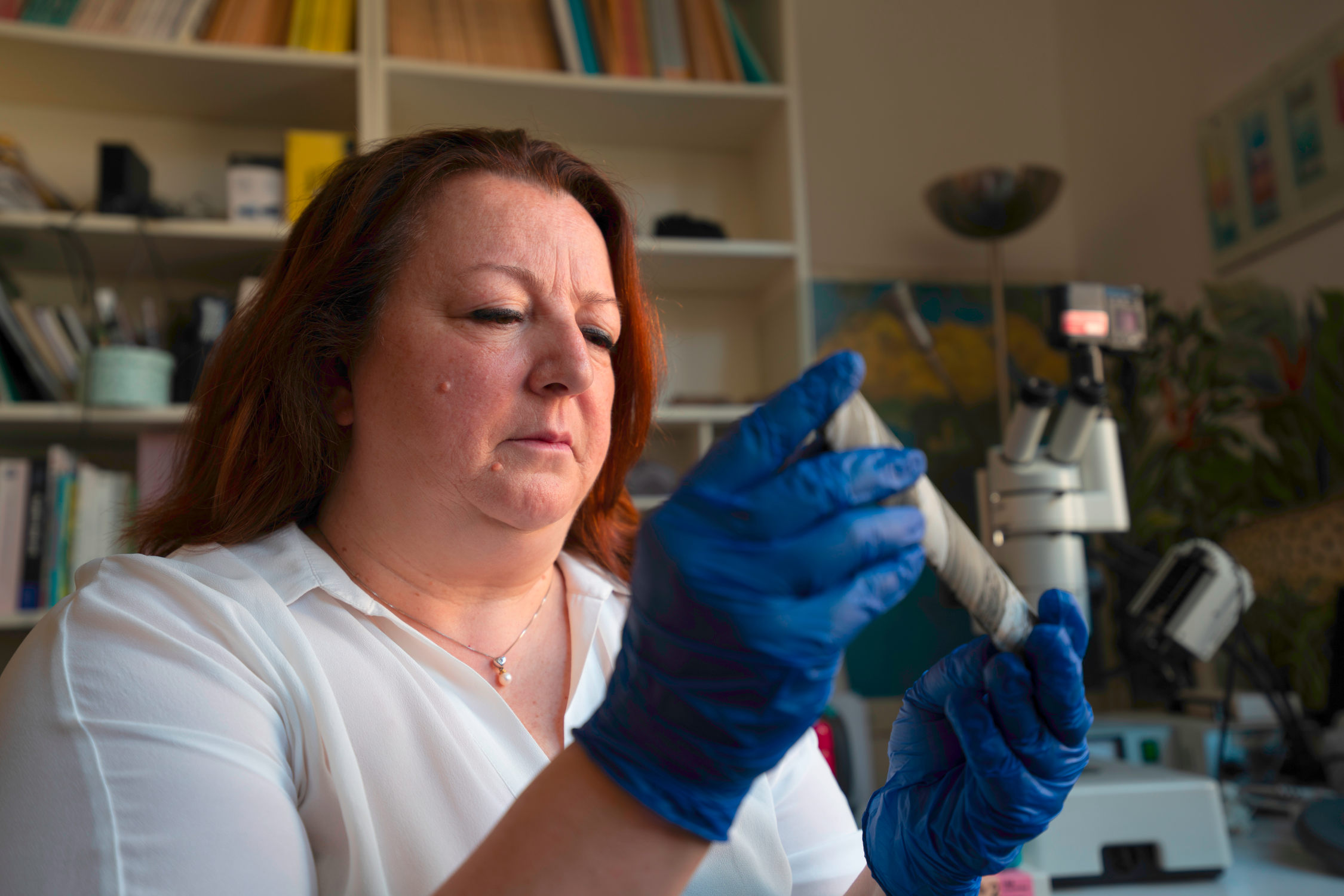
“We have to use Earth as our biological model, because it’s the only one we have,” says Barbara Cavalazzi, an astrobiologist at the University of Bologna.
Scientists still disagree, of course, on how to precisely define life — intelligent or otherwise. But as the following photographs suggest, efforts to understand what “life” might look like beyond our pale blue dot are flourishing. And whether or not those efforts ultimately lead to the discovery of life elsewhere, Tonietti believes the search itself has value. “Astrobiology teaches you to ask big questions. It helps you find new perspectives.”
Into the Dark
Astrobiologist Luca Tonietti explores underground caves that are thought to resemble conditions on Mars.
A Green Glow
Plant physiologist Nicoletta La Rocca grows cyanobacteria collected on Earth under simulated starlight.

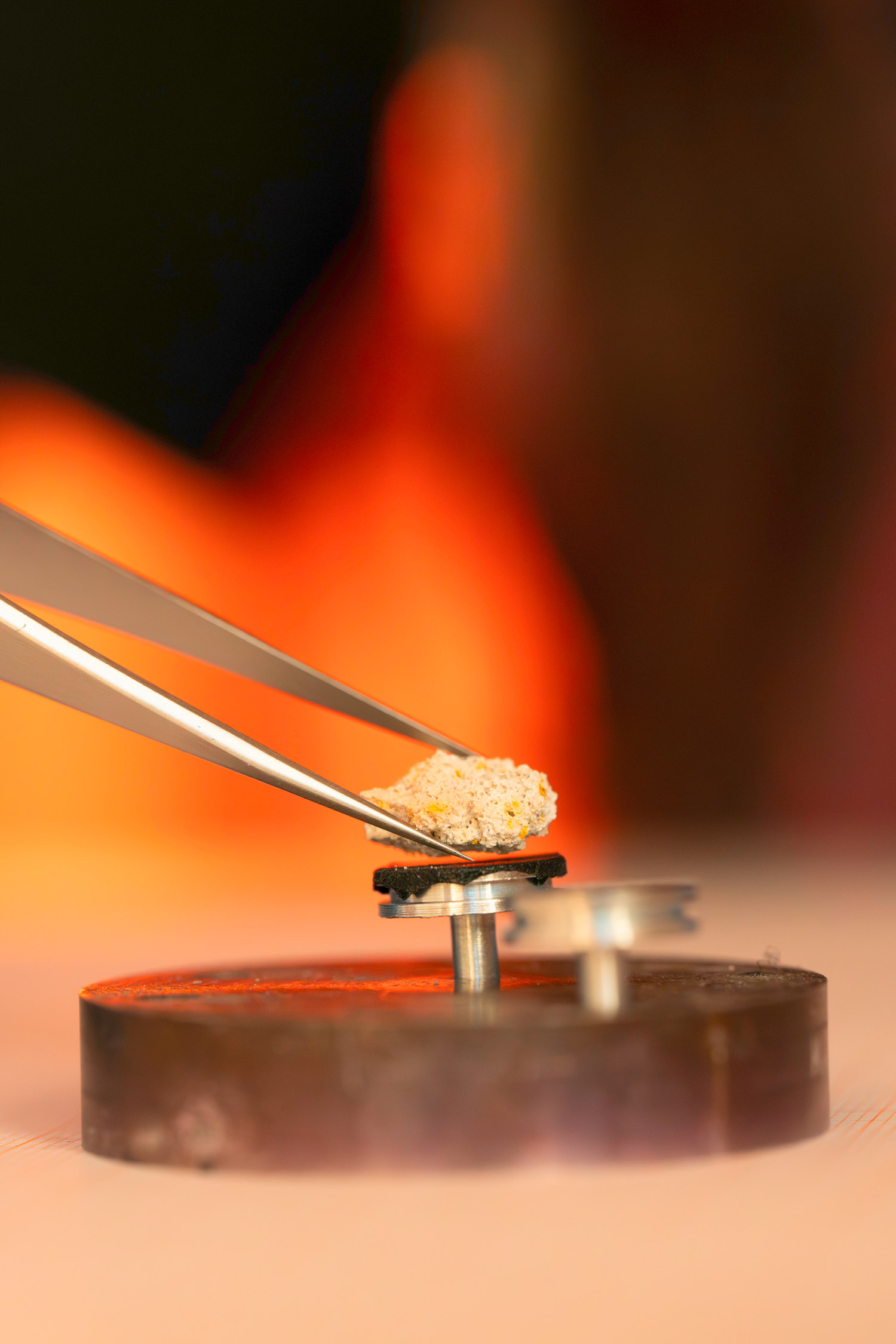
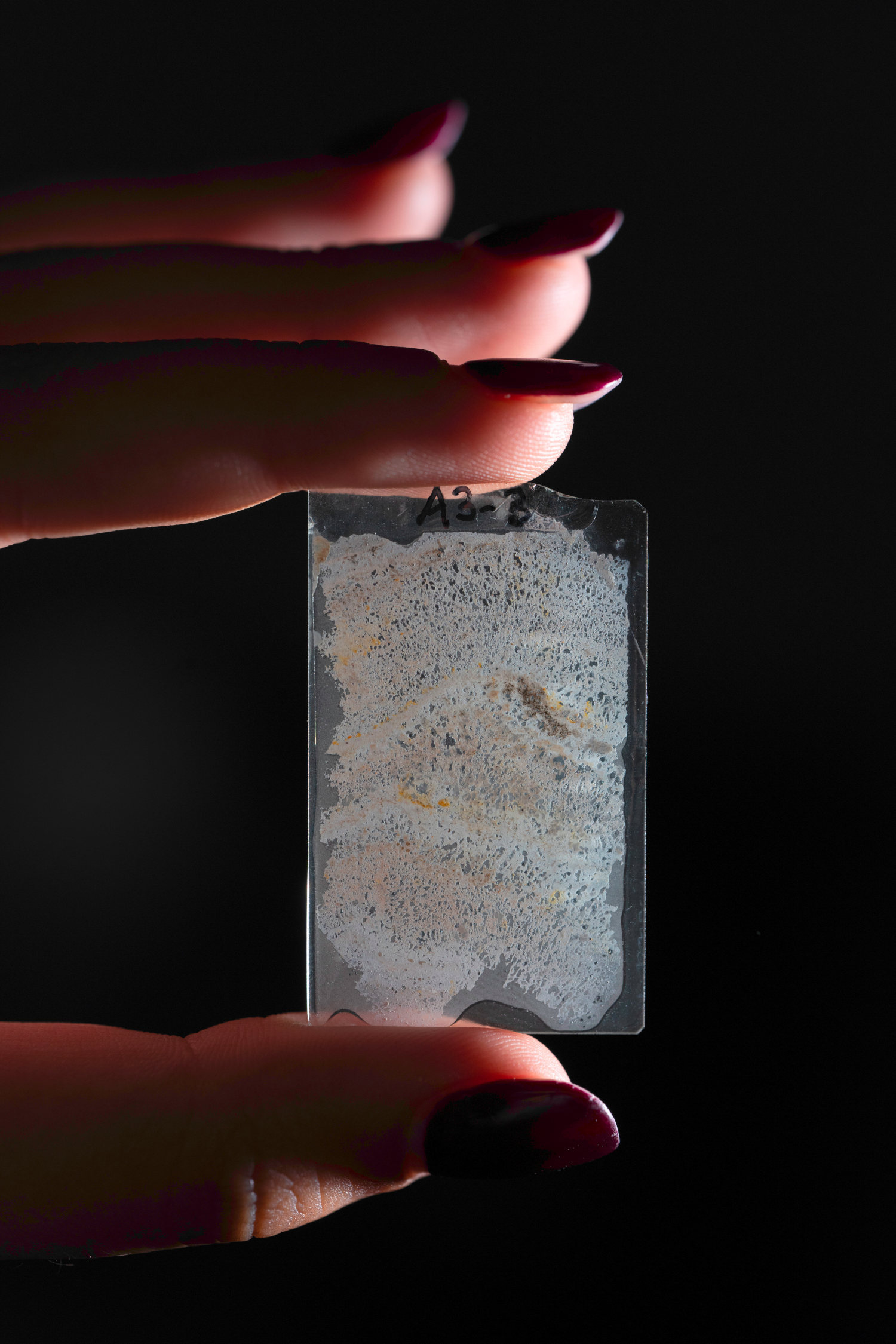
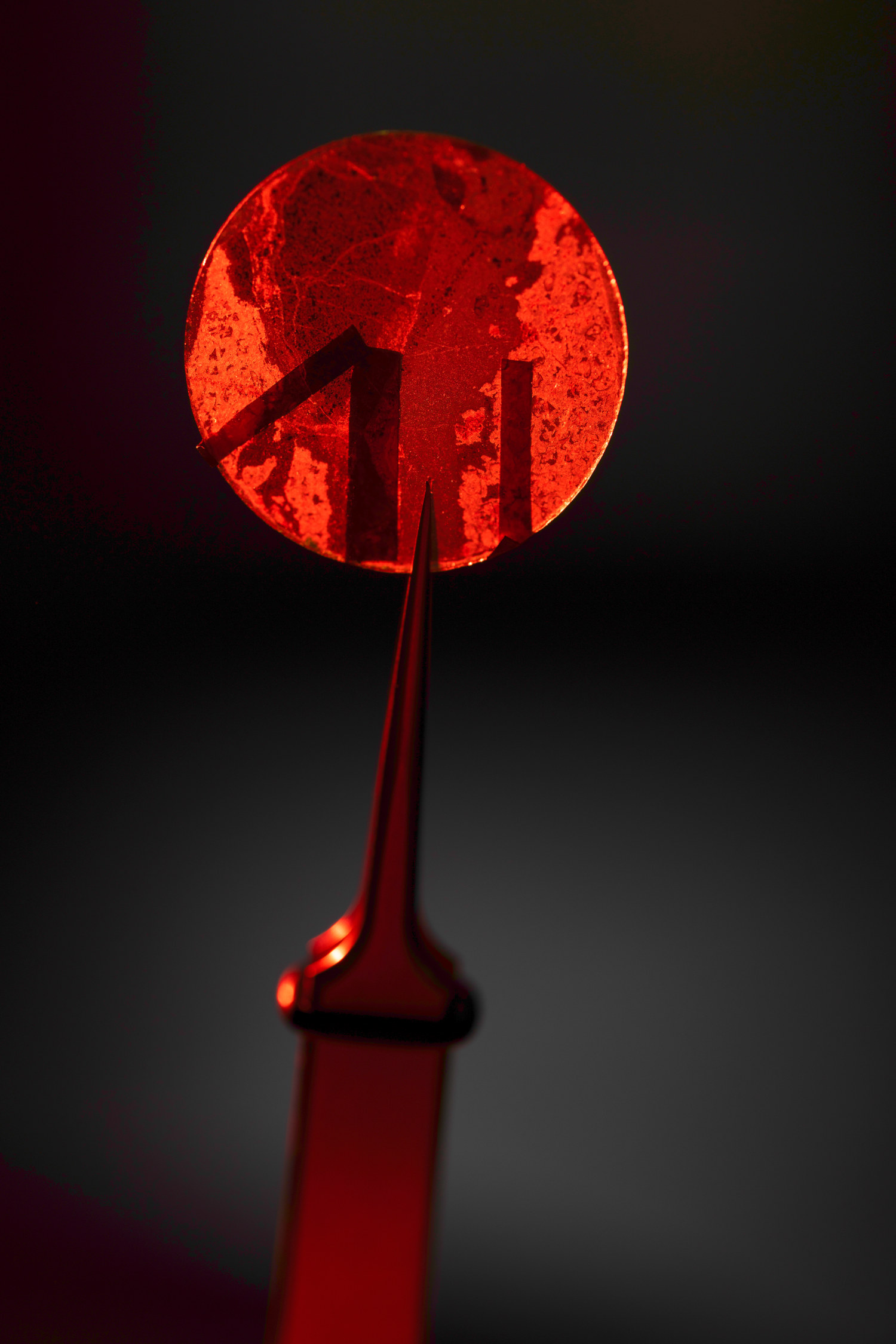
Evidence Locked in Stone
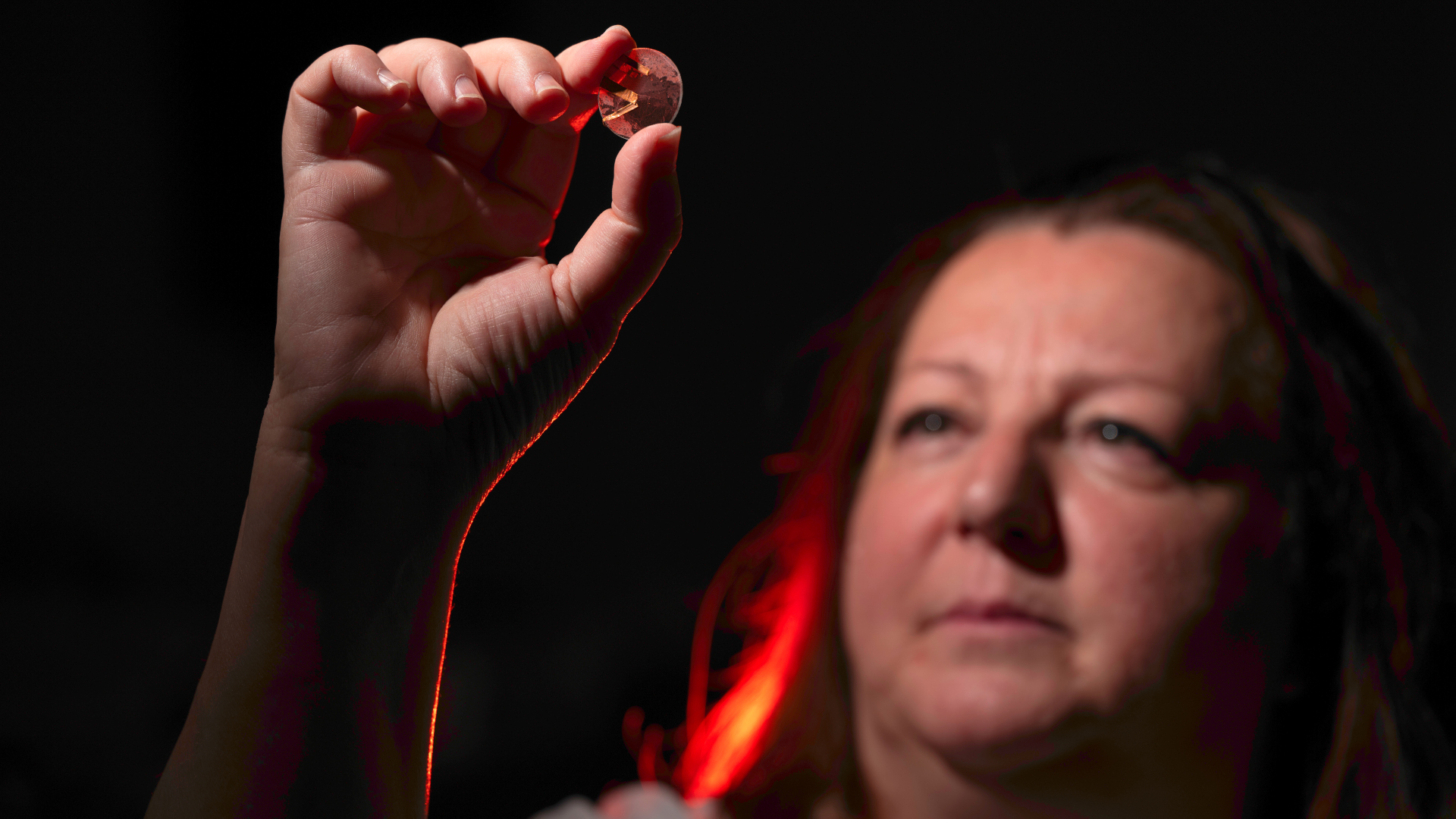
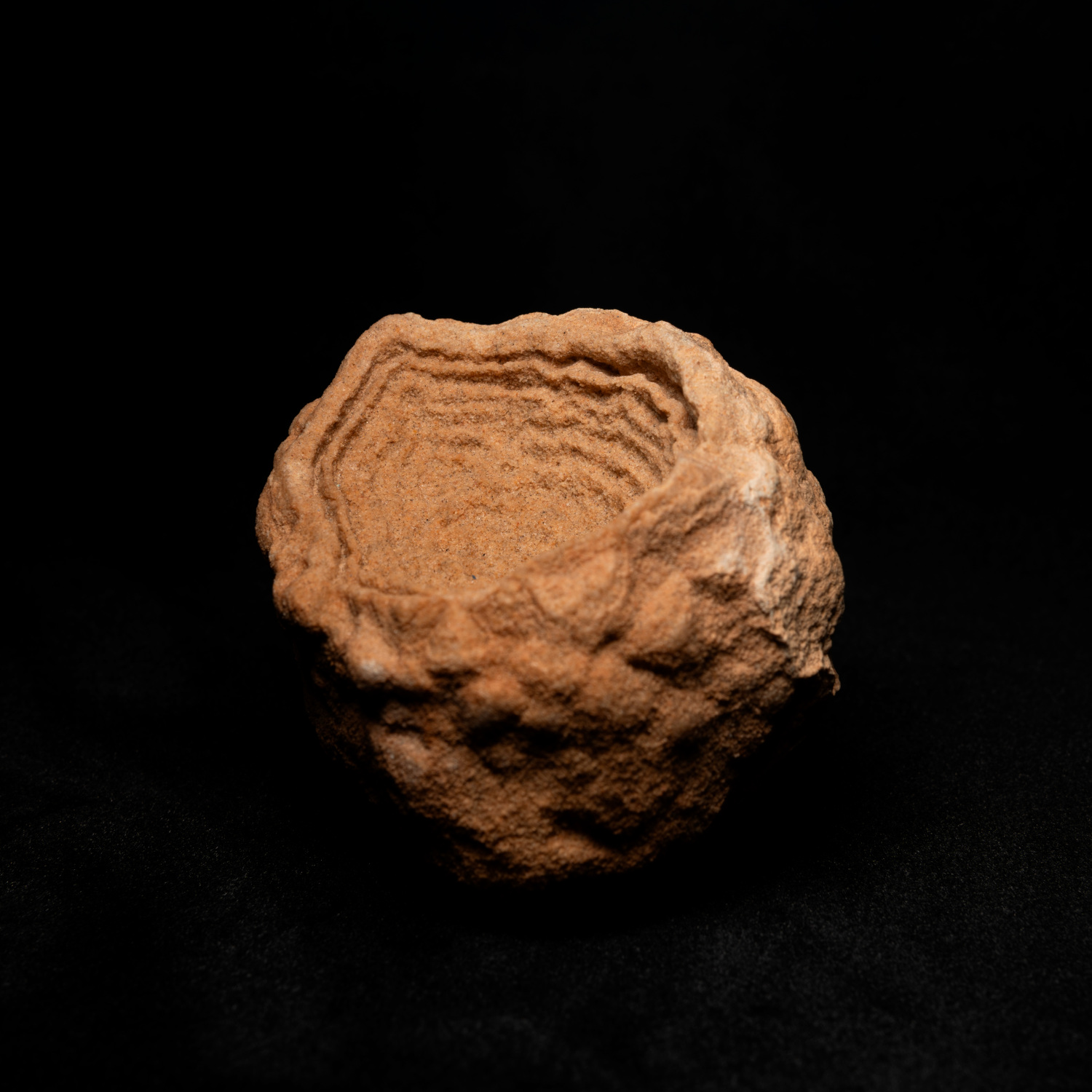
Astrobiologist Barbara Cavalazzi examines traces of some of Earth’s earliest life, preserved from an age when our planet resembled a young Mars.

Life From Below
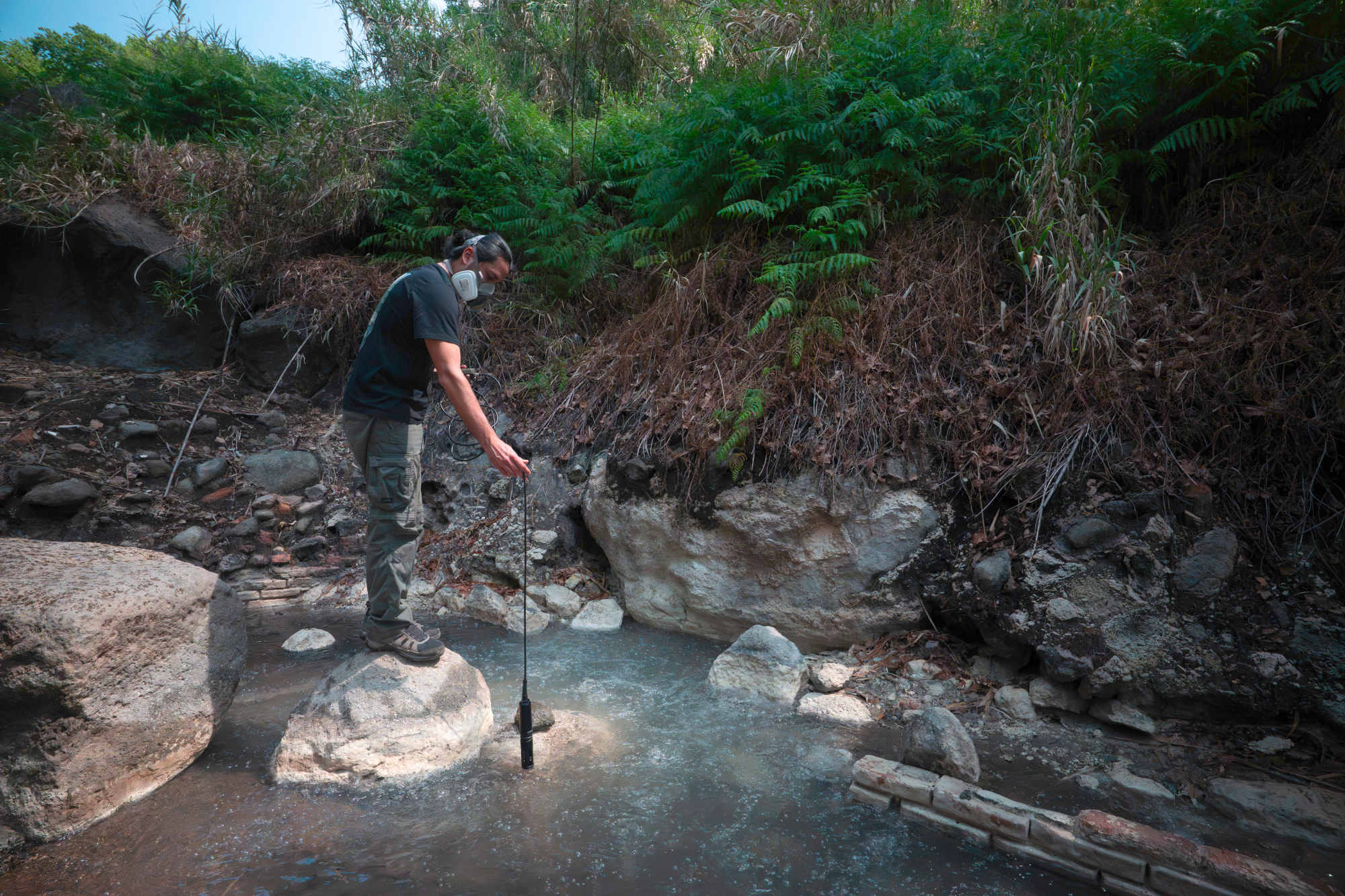
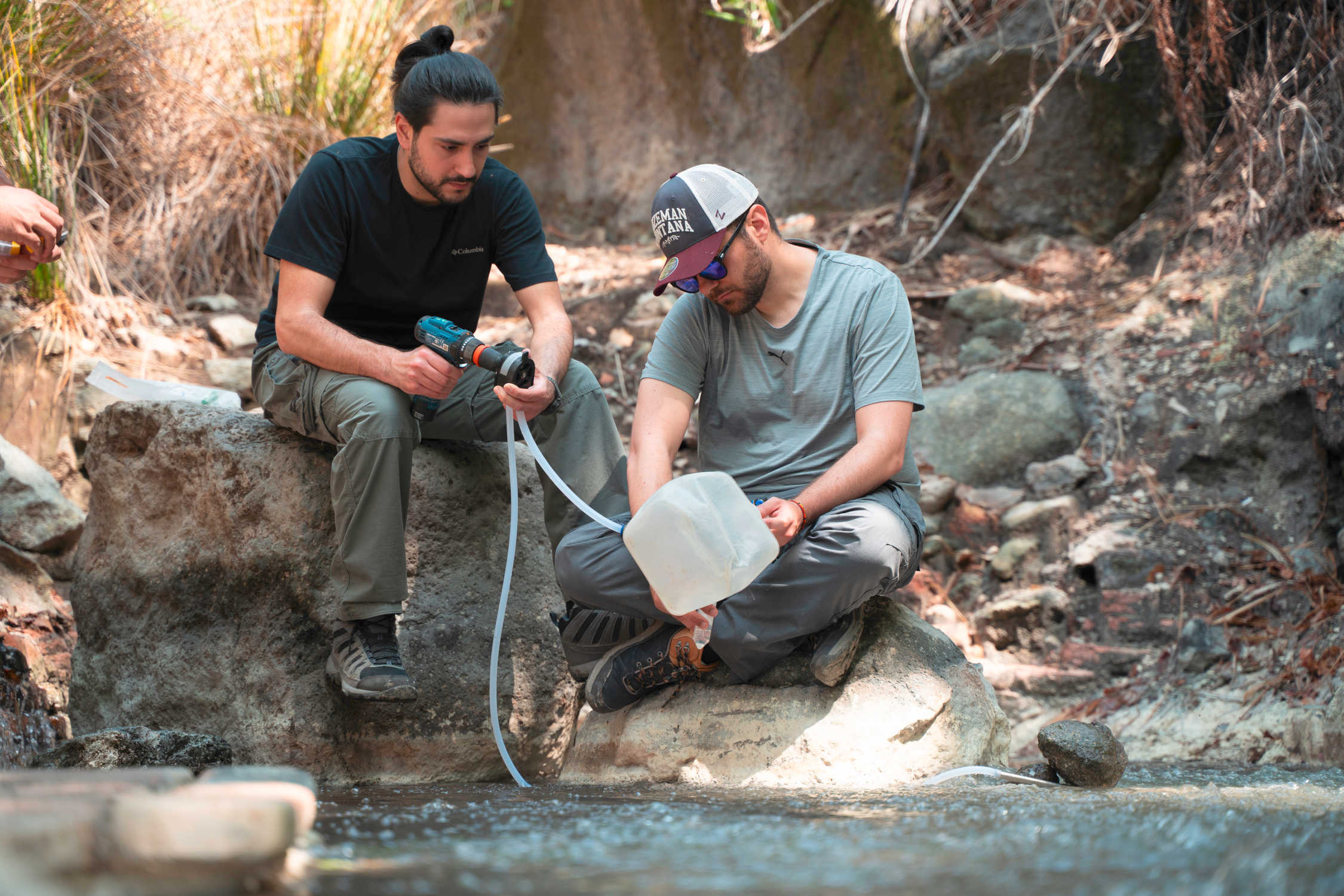
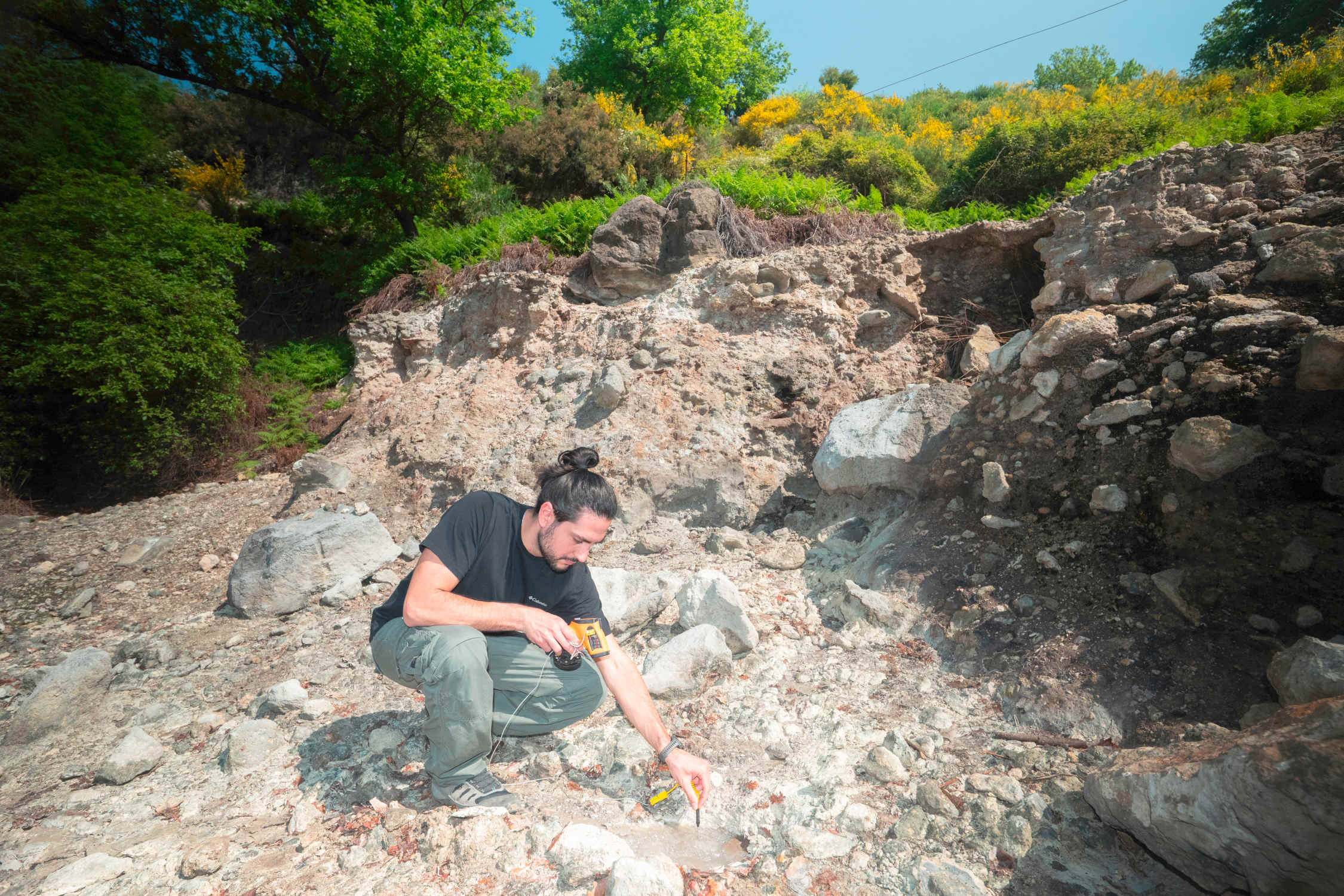
Astrobiologist Mattia Esposito seeks out extremophiles that inhabit geothermal springs, like Italy’s Grande Inferno.


Andrea De Giovanni is a photojournalist, filmmaker, and science communicator based in Italy.