









After Cancer, a Complex Aftermath for Survivors


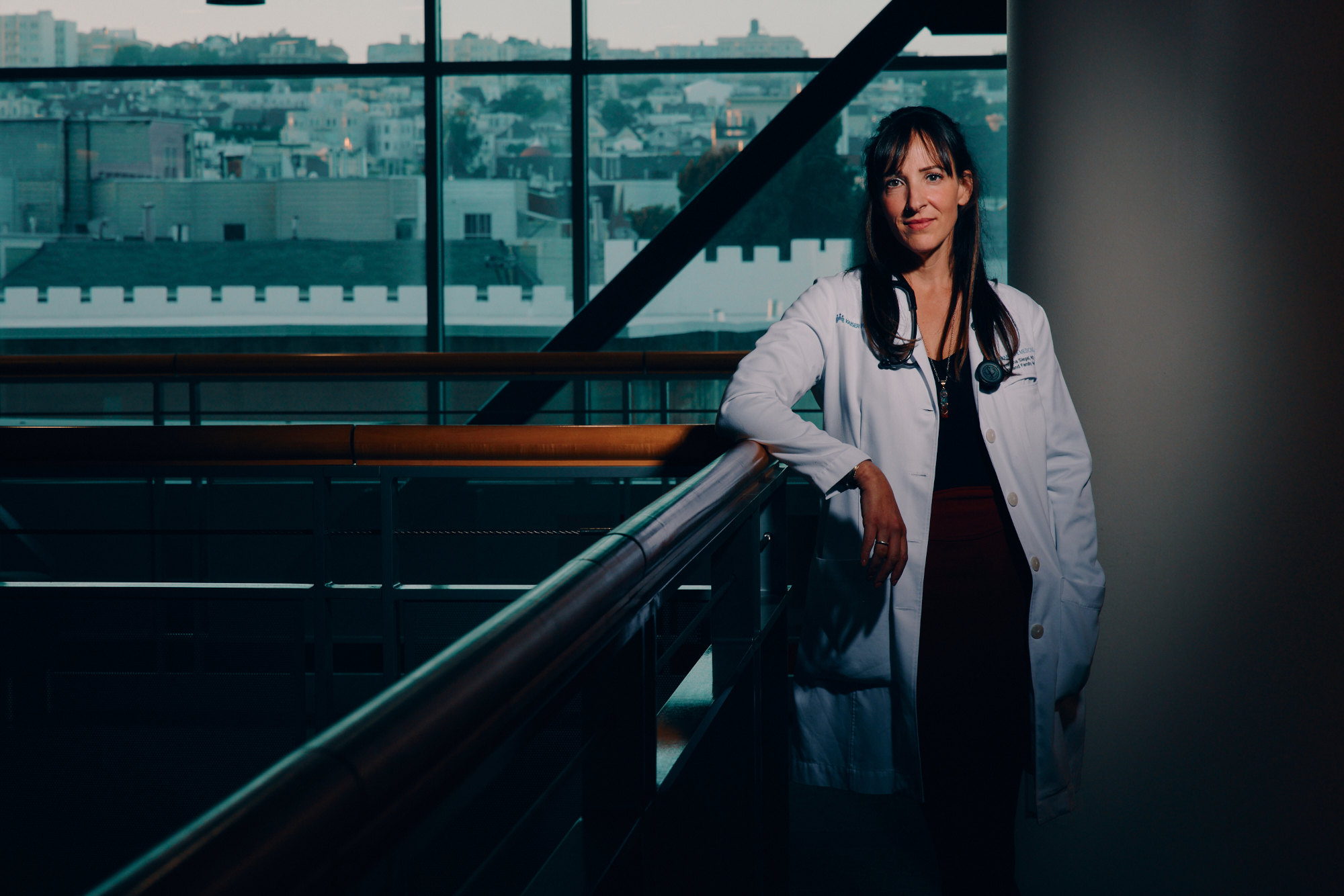
At first, Samantha Siegel ascribed her fatigue to being a physician and a mother to three young children during the pandemic. The persistent cough? Likely the smoke from nearby wildfires. But then, around late March of 2021, she noticed a painless, rock-hard, fast-growing lump near her collarbone. “It was undeniable that something serious was happening,” recalled Siegel.
Siegel, then in her late 30s, was eventually diagnosed with Hodgkin lymphoma. She was told it was a “good” cancer, she said, because more than 90 percent of people diagnosed at early stages and younger ages, as she was, go on to live cancer-free lives. Based on what she’d seen in movies and popular culture, she expected that she would “hit the pause button” on her life, she said, and after treatments and several weeks of recovery, “hit the un-pause button.”

But less than six months after her treatment ended, Siegel experienced a relapse. She received additional treatments leading up to a bone marrow transplant followed by a year of chemotherapy treatments, each accompanied by dreadful side effects: nerve pain so severe that the once-marathoner had to relearn how to jog and run; bleeding in her bladder that made her scream in pain when she urinated; a lung reaction that required high-dose steroids to control. The therapies led to brain fog and pushed her blood sugar and liver enzyme levels out of balance, which required additional treatments. She found herself unable to drive, shop for groceries, or string simple sentences together.
About five years later, the fog has lifted, but her mental endurance has not bounced back. She still works less than she used to, and she needs to do much more than she did previously to stay — and feel — healthy.
Siegel has arrived at a pivotal junction in her cancer journey. During the first few years after a person’s cancer is no longer detectable, oncologists will typically monitor them closely for disease recurrence. Surviving five years past cancer diagnosis or remission is treated as a milestone. At that point, survivors and their primary care providers are typically left to navigate the complicated aftermath of cancer.
It is a milestone that, thanks to advances in early diagnosis and treatments, a growing number of cancer patients are surpassing. Last year, there were 18.6 million cancer survivors in the U.S., and approximately 70 percent of people with cancer now live for more than five years after their diagnosis. These patients’ health needs will likely remain complex, even if their cancer does not return.
Survivors face risks of heart disease, chronic pain, trouble sleeping, mental health conditions, osteopenia, and other ailments over the rest of their lives. They are also more likely to develop secondary cancers unrelated to their original diagnosis.
“Being declared in remission or cancer-free is not the same thing as being healthy or feeling well,” said Siegel, who works at Kaiser Permanente in California, at the interface of oncology and primary care. She says she has come to recognize that most healthcare systems are not designed to support the health needs of cancer survivors like her.
It’s a view that many other experts share. Specialists in long-term cancer risks say that general physicians are hard-pressed for time and ill-equipped to care for people with complex health needs, and they often struggle to find and interpret guidelines for long-term survivor care. When physicians do prescribe specialized survivor care, there may be financial barriers to access. A 2006 National Academies report highlighted the urgency of creating systems that provided financial and informatics support to coordinate patient-centered care for survivors. Without these systemic changes, the report’s authors wrote that “the efforts of doctors alone, no matter how hard they are trying, are going to fall short.”
But two decades later, some clinicians say such systems have yet to become commonly used or widespread. As cancer treatments have improved, more people are surviving cancer than ever before. “We have this new population of patients that wasn’t very common 50, 60 years ago,” Siegel said, “and the care models have lagged behind the progress in oncology.”
Addressing these needs does not necessarily require medical or scientific innovation, said Michael Roth, a pediatric oncologist and the medical director for cancer survivorship at the University of Texas MD Anderson Cancer Center in Houston. “This is not immunotherapy. This is not identifying new treatment targets and developing new drugs,” he said. “This is basic healthcare that we’re currently failing at and we’re not doing.”
Mariah Forster Olson has been a cancer survivor since she was a toddler. She was diagnosed with neuroblastoma, a rare tumor of nerve tissues, in the 1980s, at the age of 1. The tumor grew out of her spine, wrapping around part of her heart and pushing against her trachea and lungs. Over the next two years, she would undergo two surgeries, endure 18 rounds of radiation to her torso, and receive an experimental cocktail of four chemotherapy drugs, including vincristine. On her third birthday, her tumors were no longer detectable, and her treatments finally ended. “We celebrated with a cake,” she said. “I thought, of course, it was just for my birthday, but it was for much more than that.”
After the party, Forster Olson was closely monitored for signs of the tumor’s return, but she otherwise returned to a “fairly normal” childhood. She was officially declared cancer-free five years later, at the age of 8.
Although her cancer was gone, Forster Olson’s health issues continued to mount. She went on to develop scoliosis and wore a back brace through high school. She spent years of her childhood walking on tiptoe, in part because her feet hurt — a side effect of vincristine Forster Olson calls the “vincristine prance.”
Approximately 70 percent of people with cancer now live for more than five years after their diagnosis. These patients’ health needs will likely remain complex, even if their cancer does not return.
In her 20s, Forster Olson learned that her adrenal glands were under-functioning. About 10 years later, doctors discovered several nodules covering her thyroid glands; the surgery to remove the potentially cancerous growths left her deficient in thyroid hormones. Over the years, she has undergone several surgeries to correct her spinal issues. She is disabled from chronic back pain, and sometimes uses a cane or wheelchair to help her get around.
It can be difficult to confidently attribute complex health conditions to a specific cause. But research shows that the complications Forster Olson endured are not uncommon among survivors of childhood cancer.
Much of what is known about these conditions has emerged from two long-running studies: the Childhood Cancer Survivor Study, or CCSS, which follows about 24,000 people who were diagnosed with cancer as children between the years 1970 and 1999, along with thousands of their siblings, and the St. Jude Lifetime Cohort Study, which tracks a cohort of children who were treated for various cancers at St. Jude Children’s Research Hospital.
The St. Jude Lifetime Cohort Study has found that survivors of childhood cancer experience an average of about 17 chronic health conditions by the time they turn 50, nearly double the prevalence of these illnesses in people who did not have childhood cancers. Both studies establish a rigorous evidence base, with the CCSS using siblings as comparisons because of their close genetic match. As a result, “we can say with confidence that these are not just loose associations,” said M.D. Anderson’s Roth. “It’s due to their treatment as a child, as a young person.”
The vast majority of survivors of childhood cancer, 99 percent, were saddled with at least one chronic health condition by age 50, and around 96 percent experienced a severe, potentially life-threatening or fatal condition caused by their past treatments. Certain cancers, spinal disorders, and thyroid and lung disease were especially common, and children diagnosed with cancers affecting the central nervous system were among those at highest risk.
Radiation treatments to the chest and spine have been linked to scoliosis later in life, with stronger radiation received at younger ages causing more severe defects in bone growth. More than 30 percent of girls with Hodgkin lymphoma who received radiation to the chest develop breast cancer by age 50, according to the National Cancer Institute at the National Institutes of Health. Infertility, loss of hormone function, and heart disease are also effects observed later in life among cancer survivors.
“We’re at the point now where we have long-term data on patients,” said pediatric oncologist Paul Nathan of the Hospital for Sick Children in Toronto. “We know what happens to them as they reach adulthood, as they age.”
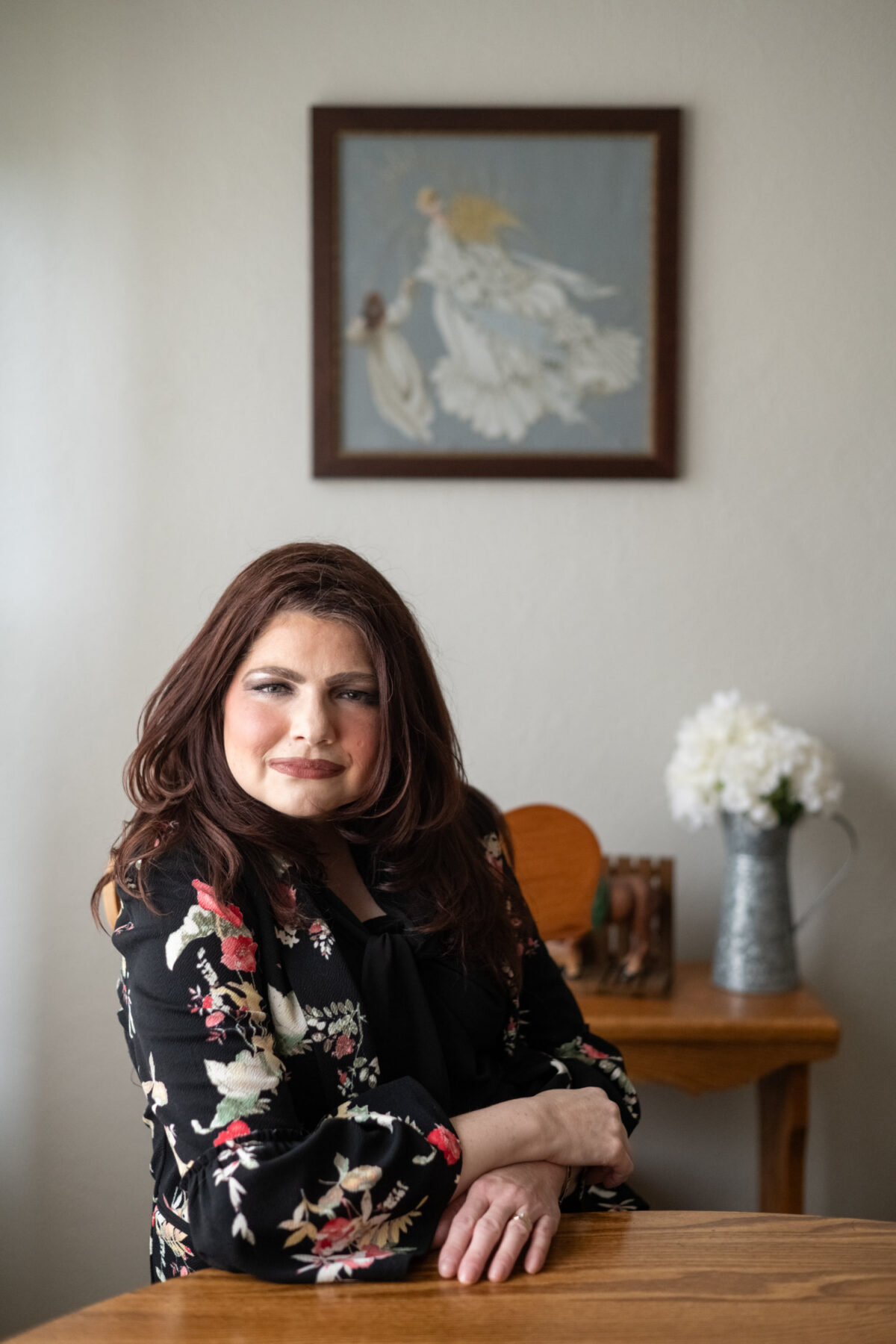
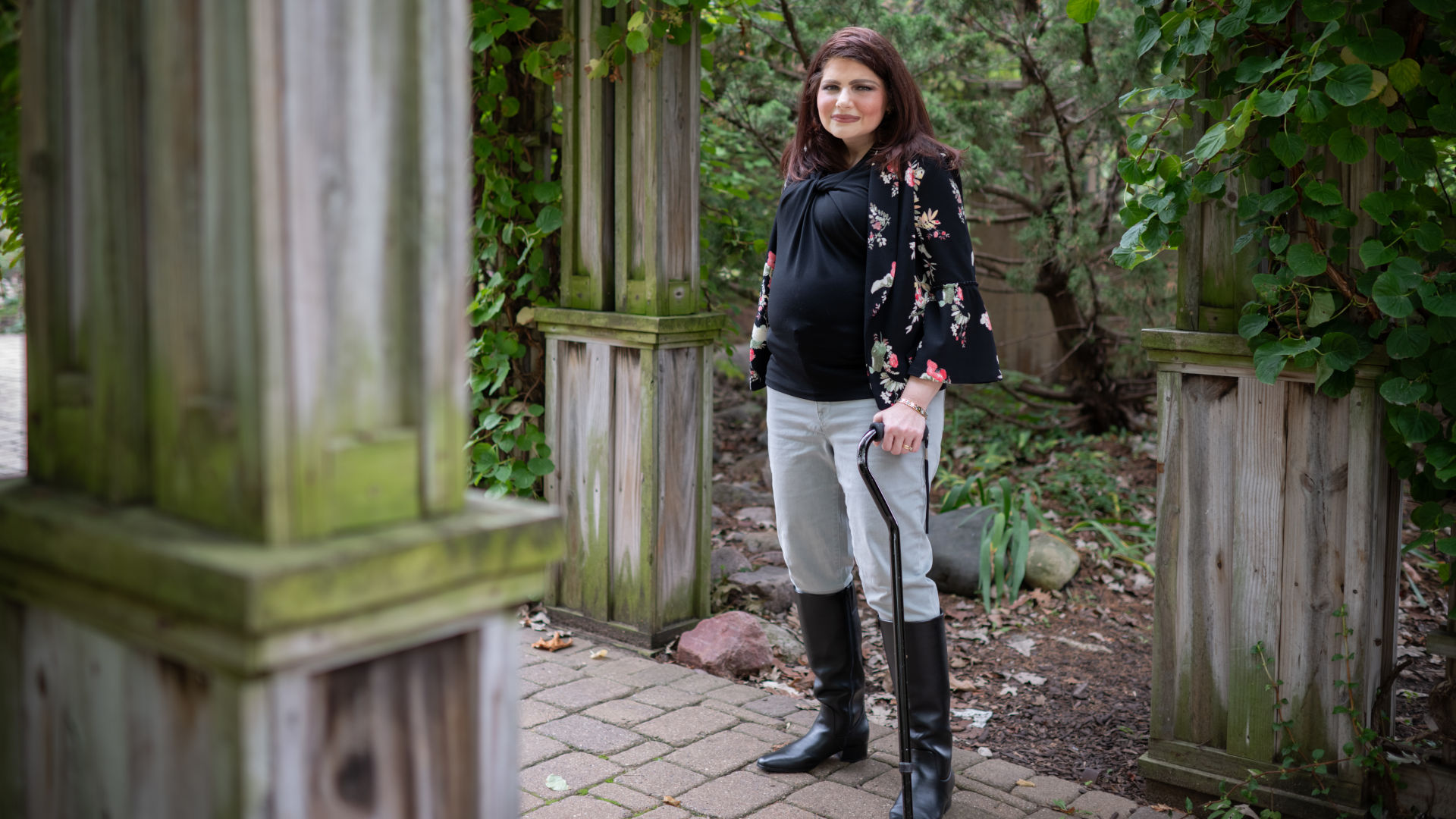
Now in her 40s, Forster Olson appears to be one of the longest-living survivors of neuroblastoma. But it wasn’t until a meeting with a radiation oncologist around 2018 that she says she fully understood the seriousness of her late effects from childhood cancer treatment.
Visual: Caroline Yang for Undark
Fewer studies have examined long-term effects for people — like Siegel — who were diagnosed and treated as adults, Roth said. Some late effects, such as the increased risk of breast cancer after radiation to the chest, manifest similarly in children and adults. But in some instances, mature organs may be less vulnerable to damage than those that are still growing. In other cases, aging tissues damaged by environmental exposures, tobacco, or alcohol use may be more susceptible to late effects of treatments. Although the severity of effects may vary based on when a person is exposed, Roth explained, it’s plausible to assume that a drug that is toxic to a young child’s heart is going to be similarly disruptive in an older person. “It makes sense biologically,” he said.
For many cancer patients, in other words, what awaits on the other side of a cancer-free declaration is a life hampered by chronic illness.
Forster Olson knew little of these long-term effects as she dealt with one symptom after another growing up. She wondered whether she was just a “weird child” who had to deal with a string of medical conditions. “It really messed with my head,” she recalled.
“As a result of having all that chemo and radiation, I have around a hundred different side effects and late effects from the treatment,” said Forster Olson, who has since documented her experiences in a memoir about surviving cancer.
Now in her 40s, Forster Olson appears to be one of the longest-living survivors of neuroblastoma. Although she knew that radiation and chemotherapy had heightened her risk of breast cancer, a meeting with a radiation oncologist around 2018 helped her learn “more about my cancer and my late effects than anyone has ever told me before,” she said. Until then, she didn’t fully understand “the seriousness of it,” she said. The conversation led her to undergo a preventive mastectomy — one she could have combined with another procedure years earlier if she had understood the risks at the time.
Unable to maintain a full-time job because of her health conditions, Forster Olson said, she began working with various nonprofit organizations that help survivors of childhood cancer. As she learned about research on the health of cancer survivors, she finally began to put the pieces together: “I kind of had to really do it on my own.”
According to Roth, projects such as the Childhood Cancer Survivor Study and St. Jude Lifetime Cohort Study have transformed cancer care in ways that help mitigate risks for long-term survivors. For instance, data connecting some radiation therapies to breast cancer later in life have led oncologists to limit the use of the treatment. And today, when oncologists administer chemotherapy drugs known as anthracyclines, they sometimes also prescribe a heart-protective drug to safeguard long-term cardiac health. Another common chemotherapy drug, cisplatin, can be prescribed with a medication to prevent hearing loss, one of the therapy’s potential side effects.
But those changes to the way cancer therapy is delivered have remained largely within the sphere of oncology. After a patient is officially declared cancer-free, they often leave the watchful eye of their oncologist.
“As a result of having all that chemo and radiation, I have around a hundred different side effects and late effects from the treatment.”
Roth worries that patients and their primary care doctors are ill-equipped for this transition. Care for long-term survivors must balance routine tasks like flu shots with the specialized needs that arise in the wake of a taxing illness and treatment regimen. Survivors may need earlier preventive screening for breast, colon, and other cancers, and their treatments can leave them with a host of lingering issues, including poor bone health and heart disease. Ensuring that providers know to watch for, identify, and treat these varied health concerns is a challenge, Roth said.
“We’re not doing a very good job on an individual level of having providers set patients up for success after cancer treatment,” he said.
“The goal isn’t to say, ‘Oh, congratulations, you’re cured, you’re going to have a life filled with chronic health conditions,’” he added.
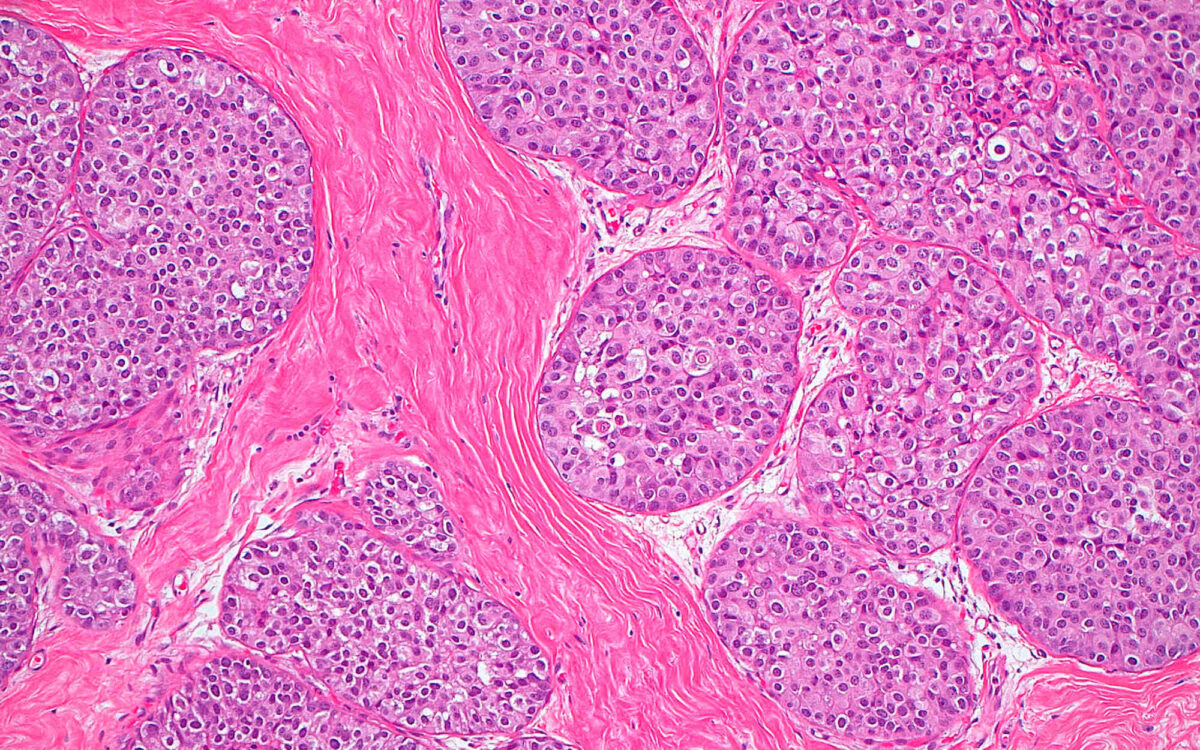
A microscope image showing ductal carcinoma cells. Data connecting some radiation therapies to breast cancer later in life have led oncologists to limit the use of the treatment.
Visual: Ziad M. El-Zaatari / Science Photo Library via Getty Images
Experts including Roth say that many patients simply slip through the cracks altogether. Survivors should generally keep up with follow-up care over the long term with a primary care provider, said oncologist Eric Chow of Fred Hutch Cancer Center. But amid that transition, certain people can “get lost in the system.” Many childhood cancer survivors, in particular, move for college or jobs as they grow older, or transition off their parents’ health insurance. Each circumstance increases the chances that a survivor will not receive adequate care or that their clinicians will not receive all the information about their medical history. “There’s a huge gap in effective transition of care,” said Chow.
In a recent study, Chow and his colleagues studied adult survivors of childhood cancer who were at risk of heart disease because of past radiation or chemotherapy. They wanted to see how patients would respond to test results and counseling related to cholesterol, blood pressure, and other risk factors, but their research also highlighted a long-standing flaw of the medical records system: Participants’ primary care doctors rarely knew of their cancer history. Documentation of the participants “even being cancer survivors or having had radiation or any chemotherapy that affects heart function was exceedingly low,” Chow said.
Even when a primary care doctor is aware of a patient’s cancer and treatment history, they may need to navigate a landscape of preventive care and screening that at times differs substantially from that of typical patients. Cancer survivors may need mammograms, colonoscopies, and other tests at an earlier age than people who have never had cancer — with breast MRIs starting as early as age 25 for some survivors.
Organizations such as the Children’s Oncology Group and the National Comprehensive Cancer Network, or NCCN, publish guidelines to help survivors and their doctors navigate this terrain. But the guidelines are often complex and lengthy, and experts say they can be difficult to implement for practical reasons.
Get Our Newsletter

Even providers familiar with the guidelines can find seemingly contradictory information, said Matt Ehrhardt, an oncologist at St. Jude. The Children’s Oncology Group, for instance, recommends that childhood survivors be screened for reduced heart function every two to five years, depending on a person’s exposure to chemotherapy and radiation. But the NCCN recommendation, for adults, suggests an echocardiogram within one year after treatments are complete (depending on several factors). The two guides differ, Ehrhardt explains, because heart failure risk increases with time. The risk several decades after treatment is less important to a 65-year-old survivor who recently completed treatment than to someone who completed it at age 10. “A lot of that has to do with how relevant the risk is to that population,” he said, “but it makes it tricky to get a harmonized guideline between those two groups.”
Ehrhardt said primary care physicians may lack the context they need to know which guidelines to follow. “We need our health systems to speak, to interact, to automatically share what these patients need,” Roth said. “We can’t rely on the individual provider to know everything about everyone. It’s just not fair to them.”
One complication is that typical primary care physicians rarely encounter patients who need such types of preventive care. Until recently, Ehrhardt said, most primary care providers rarely treated childhood cancer survivors in their practices, though he thinks that trend may be changing. He and his colleagues have recently completed small, unpublished surveys that suggest primary care providers are seeing more of these patients, Ehrhardt said: “They’re getting a little bit more familiar with it.”
For nearly 20 years, Tim Folse has been working at St. Jude in what’s known as a survivorship clinic, where the goal is to help bridge the gap between pediatric oncologists and general practitioners. After decades practicing in primary care, Folse now provides support to survivors and their PCPs on life after cancer.
Folse has observed that primary care doctors can struggle to figure out how to help survivors. At times, he said, doctors can be hard pressed to identify when a person’s recent health concerns might be related to a cancer treatment they received years ago. Survivors can “have a lot of problems,” he said, “and dealing with that, the time it takes, it’s not a 15-minute visit.”
Understanding when more aggressive care is needed can be difficult too, Folse said. When a person requests earlier preventive care for secondary cancers, a common reaction from doctors is to suggest they follow up with their oncologist. “There is often pushback,” Folse said, noting that it’s not uncommon for practitioners to respond to such requests with phrases like, Is that really necessary? or, You look fine to me. Thinking back to the start of his own career, when he practiced family medicine, Folse acknowledges that he “might have done the same thing.”
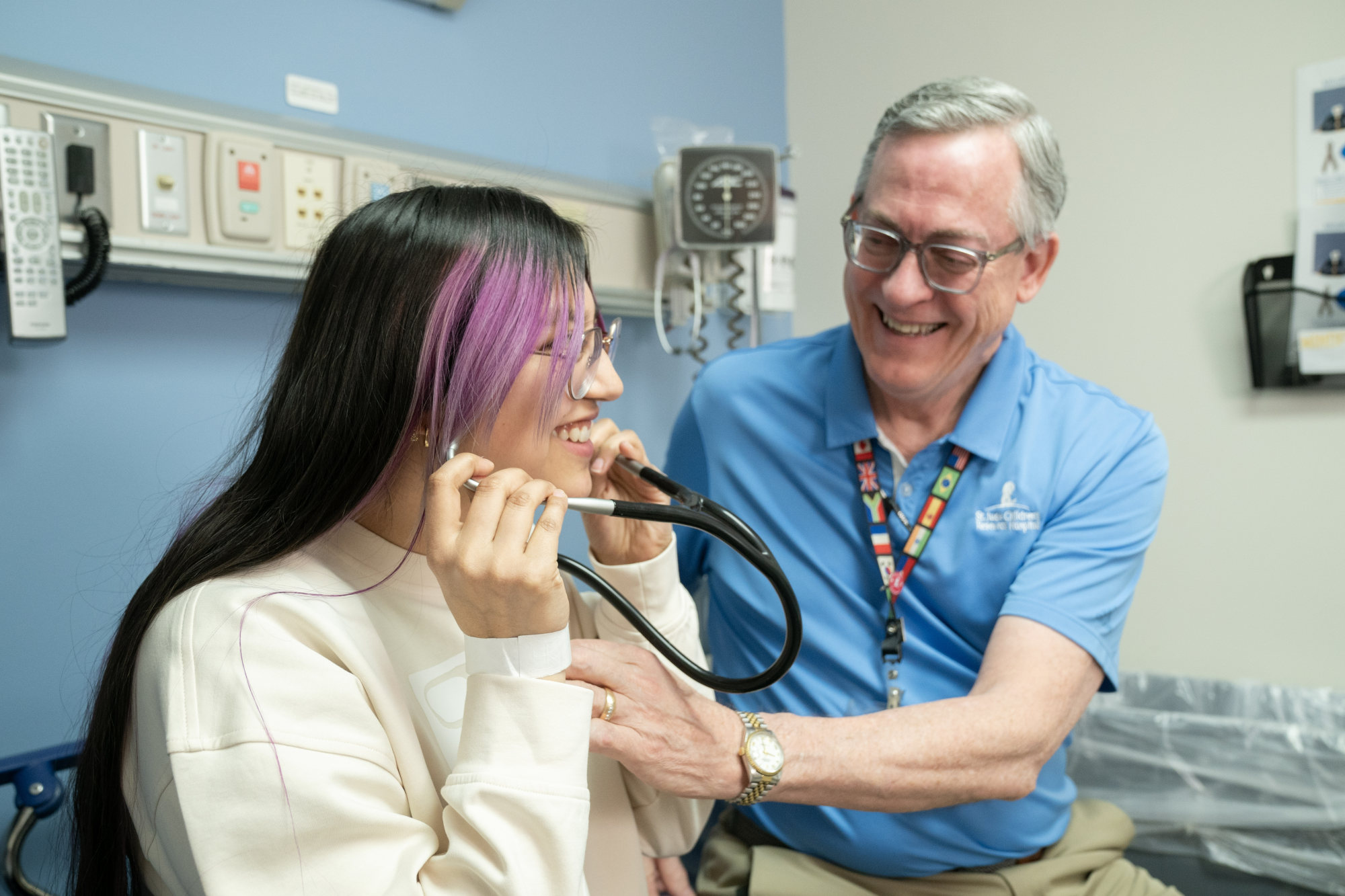
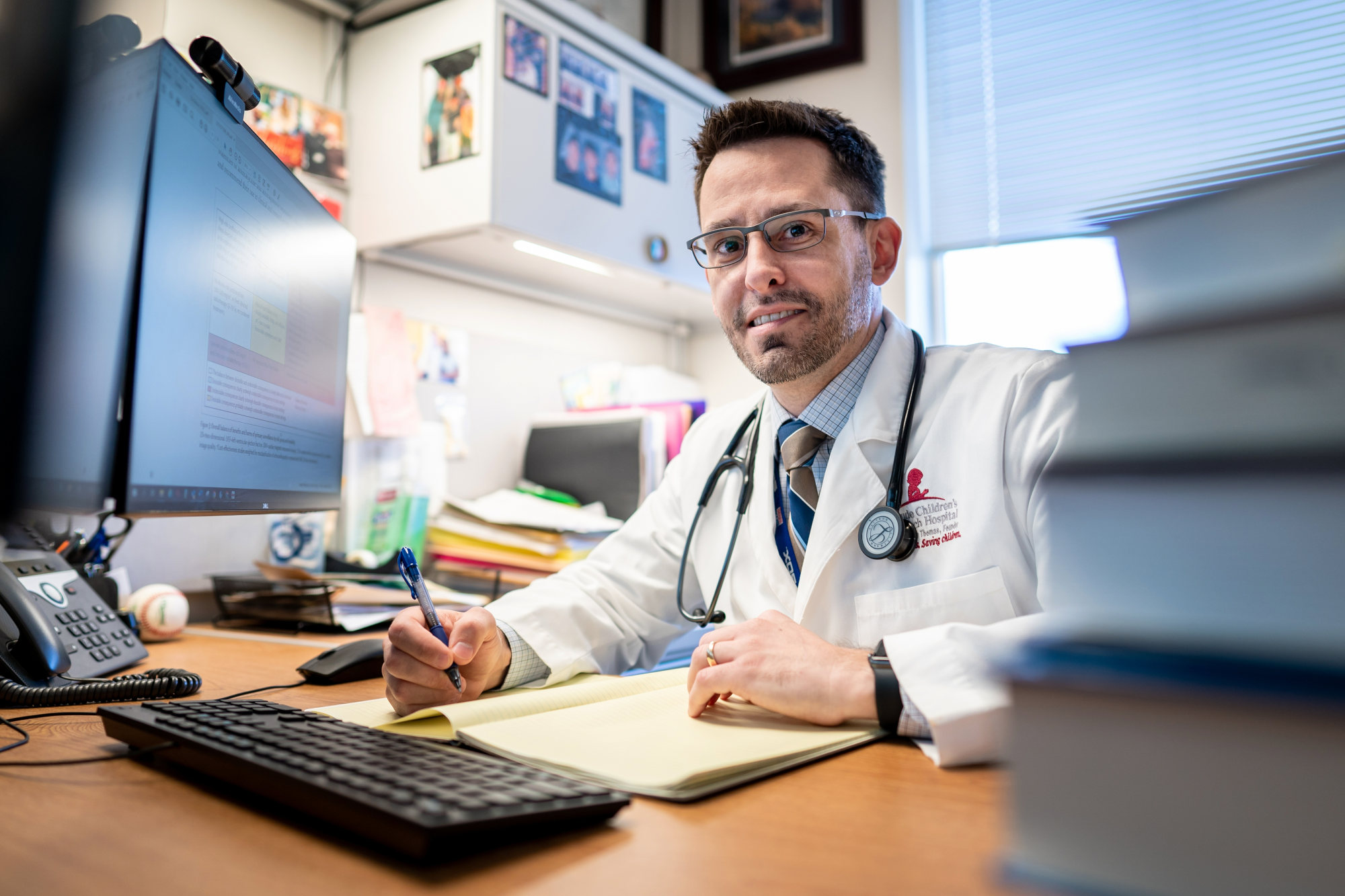
At St. Jude, Folse is working with Ehrhardt and other oncologists to try to condense survivorship guidelines into a single-page document that’s quicker to use in primary care clinics. He also helps doctors with practical notes on diagnostic codes that health insurance companies will recognize — ensuring that physicians are compensated for their work and that patients aren’t stuck with bills they cannot afford to pay.
And he keeps up with how newer cancer treatments are changing survivors’ needs. Recent data suggests that immune-targeting treatments, for instance, can heighten a person’s risk of arthritis or autoimmune reactions. “The treatment changes decade by decade, so you’re adding more and more information,” he said. “It’s a daunting task.”
In addition to the millions of Americans who have moved beyond front-line cancer care, many people straddle two worlds: Some who are still undergoing cancer treatments need additional care from specialists; others live with metastatic cancer as a chronic condition — not cured of their disease, but not sidelined by it.
Siegel, now more than five years out from her initial bout with Hodgkin lymphoma, still needs to put in work to feel well. In her work at Kaiser Permanente San Francisco, she directs a cancer survivorship program that aims to support survivors at all stages of their cancer journey.
“There’s not a lot of people who have taken responsibility and ownership for long-term survivorship outcomes, especially on the adult side. It’s a huge gap.”
Many of the clinic’s clients are managing life after cancer therapy. But others are still undergoing active treatment. The clinic that Siegel runs sometimes serves as a patient’s primary care office — one with deep understanding of their cancer history and ongoing health concerns. But she also consults with primary care physicians and oncologists to help them navigate services that can range from mental health support to physical therapy and rehab. Occasionally, that work involves helping doctors navigate an insurance system that she said seems ill-tailored for long-term cancer survivors. She often finds that diagnostic billing codes, known as ICD codes, don’t exist for common problems that many survivors face, such as continued brain fog or the fear of cancer recurrence, which can be as extreme as posttraumatic stress disorder for some.
“If there is an ICD code for it, then you can bill for it, and then it’s work that is valued and compensated properly,” Siegel explains. But she said that although doctors sometimes devote several months to treating these conditions, conducting extensive tests, and bringing in multiple specialists, there is no catch-all code for this work, making billing and reimbursement a challenge.
Siegel has learned ways to circumvent the problem, but physicians in community clinics or other settings may find the roadblocks impassable. “If they can’t even bill” for this work, she said, “that’s really a problem for scaling this across the country.”

Caring for survivors is “not a moneymaker” for most institutions, Folse explained, and providing such nuanced care is time-consuming. Even so, survivorship clinics have become common over the years — at least at institutions that focus on pediatric cancers, such as St. Jude. Care tends to be patchier for people diagnosed as adults. “There’s not a lot of people who have taken responsibility and ownership for long-term survivorship outcomes, especially on the adult side,” Roth said. “It’s a huge gap.”
Specialty clinics — such as those run by Folse and Siegel — are a care model that’s unlikely to provide a viable, long-term solution to the problem of caring for the millions of people living with the late effects of cancer, Roth says, because there are not enough of those types of clinics to serve everyone. Patients’ health information would continue to be siloed within single clinics and health systems, and distance, scheduling challenges, and changing life circumstances will inevitably pull some patients away from care at specialized clinics. “We want them to get local, convenient, and still high-quality survivorship care,” he said. But “it’s just hard to reach everyone.”
As part of his role at MD Anderson, Roth works with local health systems to train primary care physicians who are not affiliated with cancer hospitals. He says it’s time for physicians to adopt a more holistic view of a person’s journey with cancer, recognizing that the disappearance of a tumor is only one milestone and that the road to sustained health does not end with treatment. “The endpoint isn’t remission, it’s not cure,” he said. “For patients, life after cancer matters.”