




From the Editor: The Weight of Uncertainty


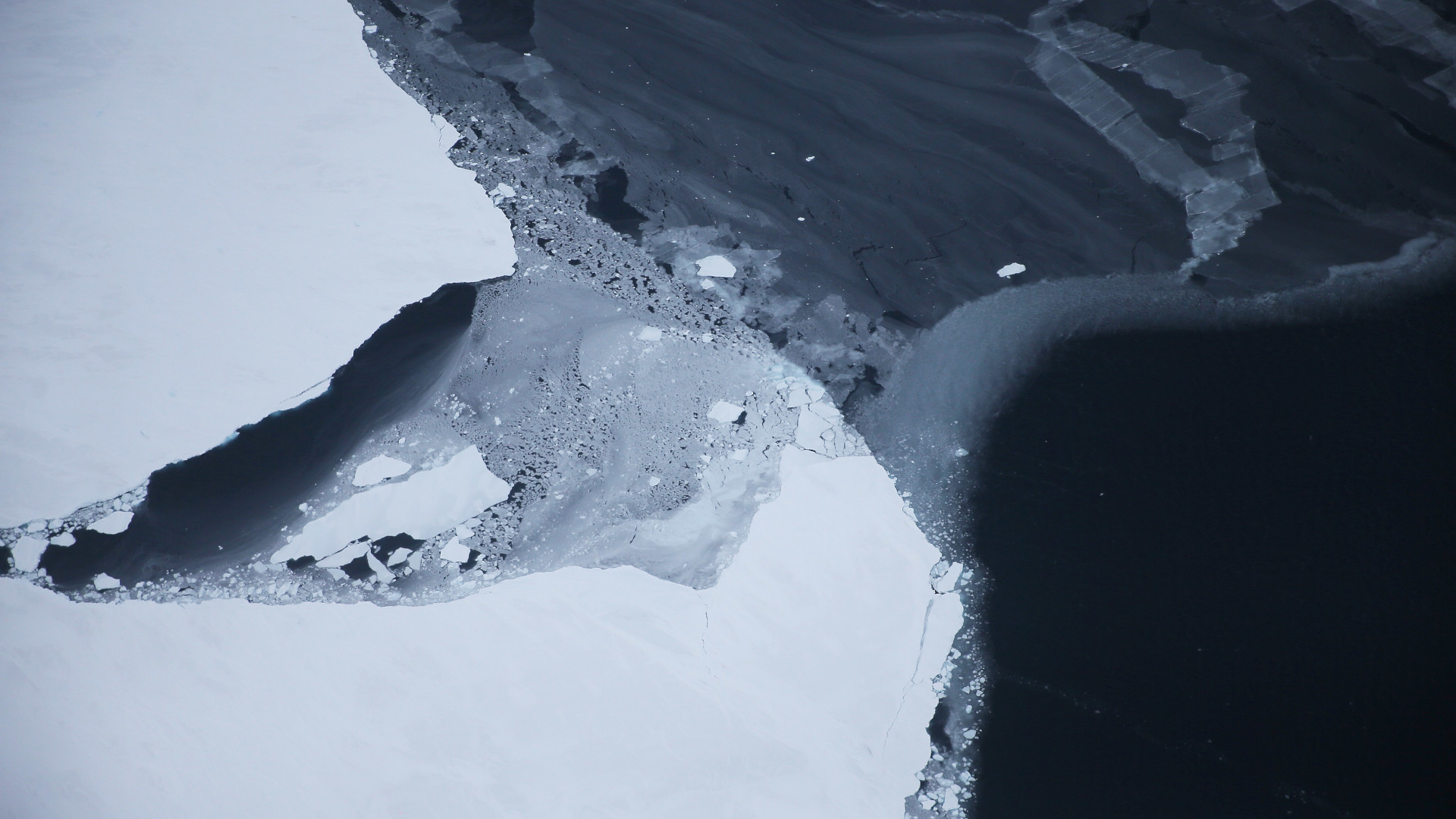
As the 2026 United Nations climate talks got underway last month in Antalya, Turkey, a key topic of concern was Earth’s frozen bits — and it’s easy to see why. As the planet warms, mountain glaciers shrink, Arctic sea ice contracts, permafrost thaws, and the polar ice sheets that help to regulate Earth’s energy balance continue to shed mass.
“What was once viewed as a far-off consequence of climate change, the world’s melting ice is now impacting everyday life,” declared Jerry Jose, a senior scientist with Greenpeace International, in a prepared statement ahead of the talks.
Among the worries: accelerating global sea level rise.
It’s a perennial concern — and one that seems obvious to most people: All that water bound up in melting glaciers and ice sheets has to go somewhere, and that somewhere is the ocean, which, over time and as a function of numerous other forces, will indeed rise, probably by a foot or more by the end of the century, according to most models. A vexing scientific uncertainty, of course, is whether there are more dire potentialities out there — ones that our current data and modeling have not accounted for.
As Undark contributor Evan Howell reveals in this month’s cover story, one effort now underway in British Columbia could help to further illuminate such questions. The story follows a pair of researchers attempting to reconstruct the collapse of the ancient Cordilleran Ice Sheet, which may or may not have played a pivotal role in a sea level surge of some 50 feet over just a few centuries near the end of the Pleistocene epoch — the period that directly predates our modern Holocene.
That’s a far cry from the 1 to 3 feet of sea level rise that most researchers expect by 2100, and modern satellite observations tend to support that trajectory, which would be challenging enough. But Howell’s riveting account also underscores the disquieting note of uncertainty woven into nearly all scientific modeling of our planetary future: How much can our geologic past tell us about what’s to come, and can ancient evidence harbor secrets that our modern, space-bound measurements fail to capture?
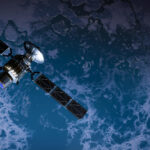
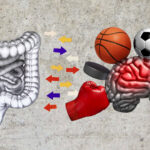
If satellites are your thing, you’ll also be pleased to know that frequent Undark contributor Sarah Scoles delivers her own look skyward this month, toward the burgeoning marketplace for satellite access now available — for good or ill — to geopolitical bidders of all stripes. And for good measure, science journalist Miriam Fauzia adds yet another dispatch from the borderlands of scientific uncertainty, where researchers are probing the mysterious connection between brain injuries and, of all things, our gut microbiomes.
In short: It’s a month of science rendered in both light and shadow — Undark’s journalistic raison d’être — and as always, we thank you for reading.