










I remember my patient, a man in his 40s from a deeply religious community, looking out onto the East River from his room in a New York City hospital as he prayed in a language I did not understand. He had been hospitalized for complications from IV use of fentanyl and the sedative xylazine: severe wounds that he could no longer manage on his own and a fungal infection in his bloodstream. My eyes drifted to his forearms, coated in a commercial ointment containing Manuka honey, and loosely wrapped in white gauze.

Our addiction medicine team had been called to discuss treatment options for opioid addiction. Due to his religious beliefs, he was reluctant to embrace standard medications like methadone or buprenorphine, which are highly stigmatized despite their efficacy. He initially agreed to try methadone, but I could sense his hesitancy with this plan long-term. Then he changed his mind.
“I want to go to Mexico for ibogaine” I recall him telling me. “My brother said it is the only thing that will help me. Have you heard of it?”
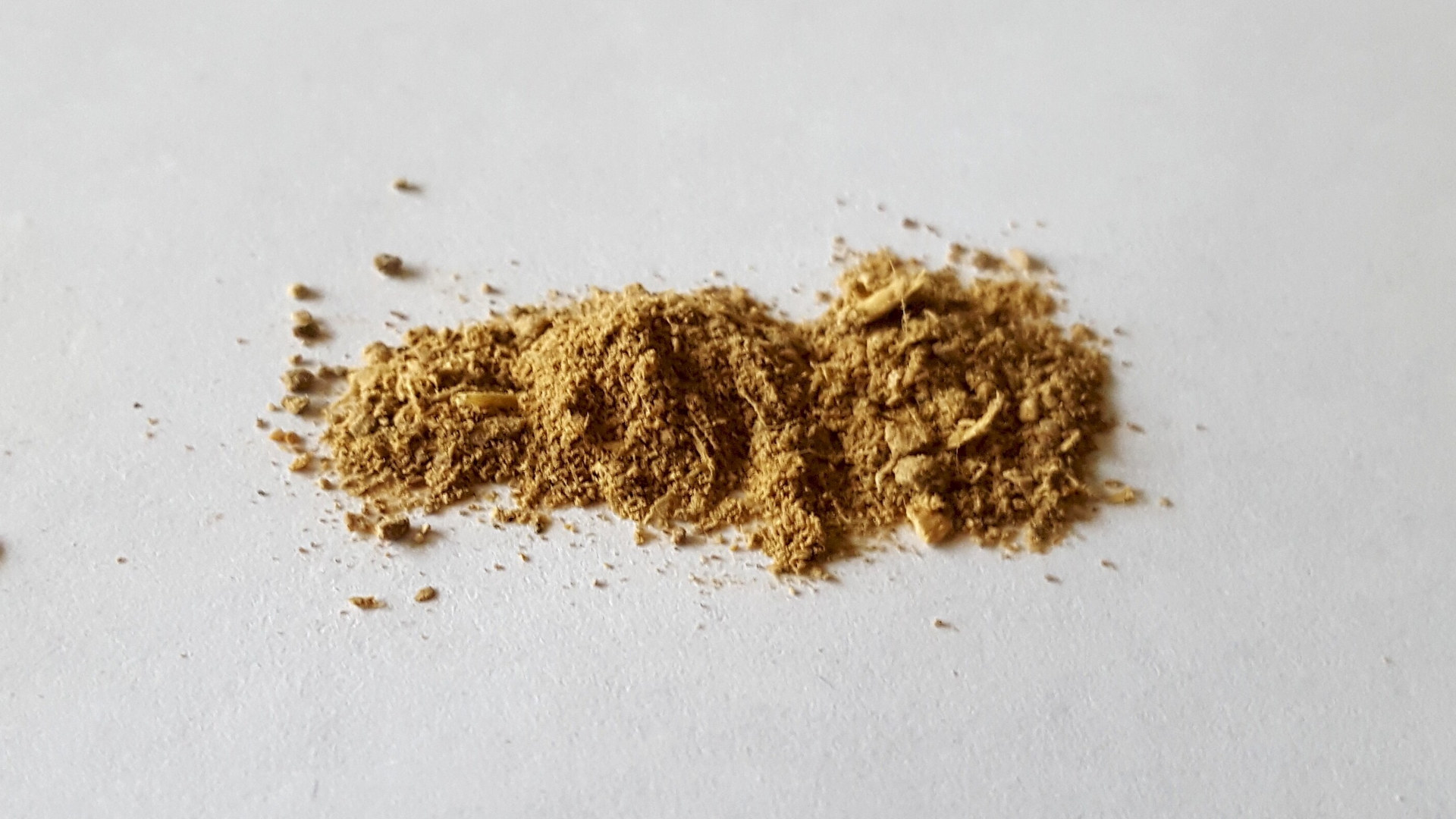
Ibogaine is a psychedelic substance derived from a plant native to Central and West Africa that is illegal in the U.S. — and it is having a moment. A New York Times political reporter recounted his experience taking the psychedelic in a recent piece that was widely read. In March, Texas became the first state to start its own ibogaine research program, after the legislature passed a funding bill for the drug last year. In April, Joe Rogan hosted W. Bryan Hubbard, the CEO of the advocacy group Americans for Ibogaine, and Rick Perry, former Governor of Texas and Chairman of Americans for Ibogaine, on his podcast, where they argued for the deregulation of ibogaine at the federal level.
No large-scale clinical trials have been published on ibogaine and its impact on substance use.
About two weeks after the episode aired, President Donald Trump signed an executive order to expedite Food and Drug Administration approval of ibogaine compounds, among other psychedelic substances, for the treatment of addiction and other serious mental illnesses. While the executive order states that these substances should not be used as first-line therapies, it proposes a pathway for ibogaine to skirt FDA approval and get into the hands of the patients who may benefit most. Rogan, who stood behind Trump in the Oval Office during the signing, spread false information about the substance’s efficacy, claiming that “with one dose of ibogaine, more than 80 percent of people are free of that addiction.” No large-scale clinical trials have been published on ibogaine and its impact on substance use.
As a physician who practices addiction medicine, I fully support the rescheduling of ibogaine under the Controlled Substances Act to facilitate research. But the Make America Healthy Again, or MAHA, movement’s ad hoc embrace of ibogaine as a solution to our addiction and mental health crises worries me. Ibogaine is associated with serious risks, even when patients are closely monitored. The most feared side effect is cardiac toxicity, which can lead to fatal arrythmias. (Psilocybin, another psychedelic shown to reduce alcohol use and treat refractory depression, does not carry nearly as severe cardiac risks.)
The effects of an ibogaine trip are not benign: Ibogaine can be felt for over 24 hours, leading to severe disorientation, even psychosis. Using ibogaine as a treatment for opioid addiction is particularly problematic given loss of opioid tolerance. Methadone and buprenorphine, two FDA-approved treatments for opioid use disorder, are themselves opioids, which protects patients against overdose if they relapse. But ibogaine is not an opioid, leaving patients more vulnerable. Trump’s executive order would give patients access to ibogaine without requiring rigorous research confirming its safety, a provision reserved only for drugs that treat life-threatening illnesses like terminal cancer. Given the substance’s side effects, deregulating ibogaine could be deadly.

Ibogaine conveniently fits into MAHA’s agenda, which rejects mainstream Western medical treatments on a quest to discover the next miracle drug. Rogan’s podcast has platformed physicians — one of whom had had their medical board certification revoked — who swear by therapies that the FDA did not approve. Rogan, who has the most popular podcast in the U.S., has hosted physicians who have promoted ivermectin for the treatment of Covid-19, hormone therapy for veterans who have suffered traumatic brain injury, and a carnivore diet to address inflammation. Ibogaine appears to be MAHA’s latest quick fix for the complicated social and medical disease that is addiction.
When it comes to addiction, particularly opioid use disorder, we have medications that work. Both methadone and buprenorphine have been shown to drastically lower mortality rates from overdose and reduce illicit opioid use over time. But they are difficult to access due to stigma, regulatory burden, and a lack of addiction providers. Increasing access to ibogaine seems to be far more seductive to MAHA acolytes than deregulating methadone, a medication that has been FDA-approved for over 50 years with countless studies backing its safety and efficacy. A 2023 bill that would have made methadone accessible to thousands of Americans was never voted on and has not been reconsidered in recent legislative sessions.
Ibogaine appears to be MAHA’s latest quick fix for the complicated social and medical disease that is addiction.
The Trump administration is promoting ibogaine while simultaneously slashing the proposed 2027 budget for addiction treatment and mental health services. Many of the services that Trump seeks to defund have contributed to the significant reduction in national overdose deaths in the past two years. The Trump administration’s systematic dismantling of the social safety net — which is integral to addiction recovery — will actively harm my patients.
Despite my advice on the risks, my patient told our team that he planned to board a plane to Mexico the same day he was discharged from the hospital, so that he could receive ibogaine from a special clinic. Did the ibogaine work? Or did something go wrong? It’s been over six months, and despite multiple outreach attempts, I never heard from him again.
Zoe Adams is an internist and clinical fellow in addiction medicine in New York City. Her writing on addiction and health inequality has appeared in The Washington Post, The Nation, and Slate, among other publications.