








Book Review: A Contrarian View of How Consciousness Evolved


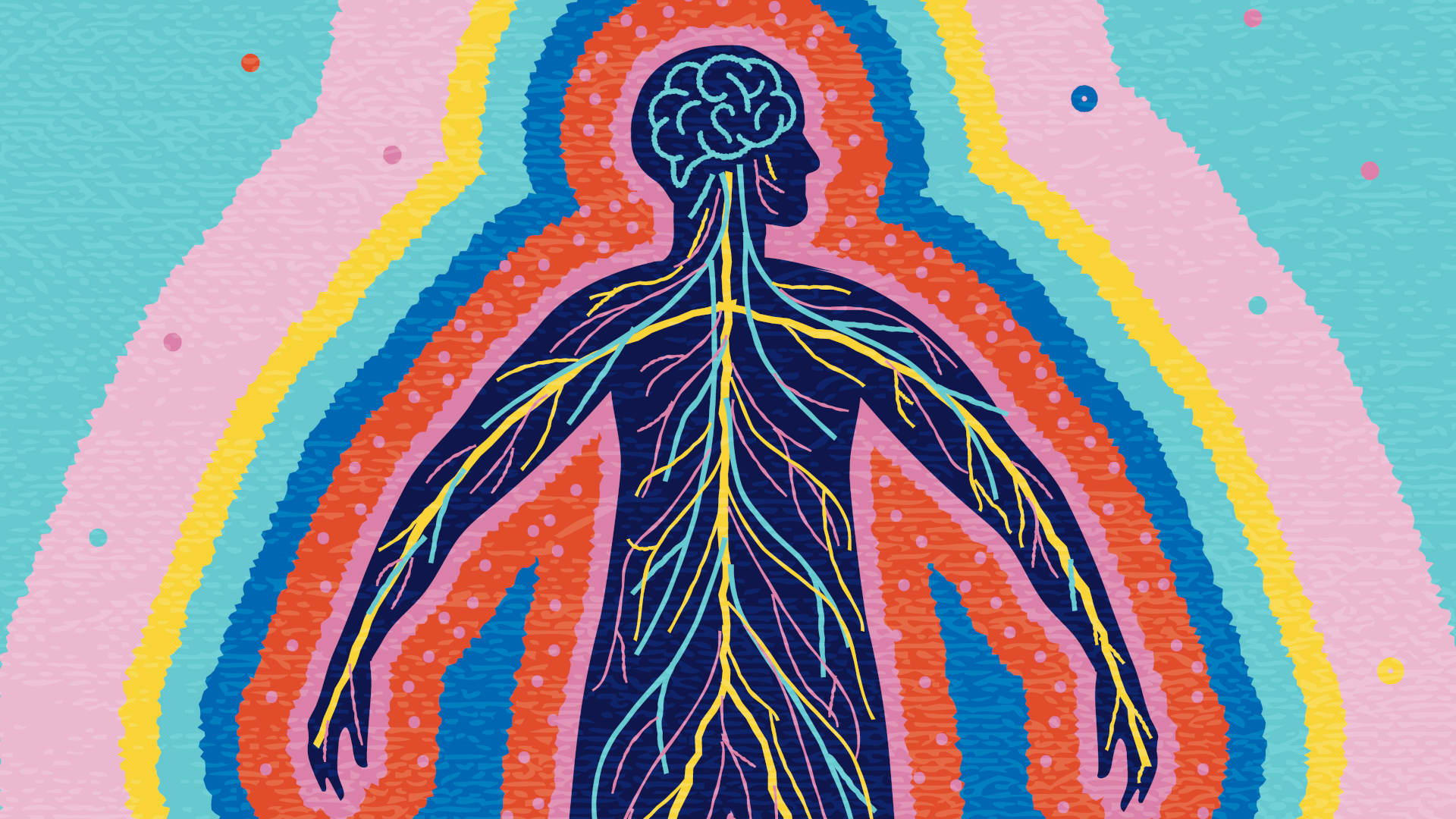
The human body is a master at regulating itself. For example, if your blood pressure rises precipitously, it will cause your arterial wall to stretch. Receptors in your body will sense this change and signal your brain, returning your blood pressure to the appropriate level.
So many of these processes happen behind the curtain, our body keeping itself alive without our knowledge. But what happens if we tip out of equilibrium, to the extent that automatic processes can no longer cut it? That’s where consciousness comes in. Consciousness allows organisms “to discover their own existence and the existence of a surrounding universe,” according to celebrated neuroscientist Antonio Damasio in “Natural Intelligence & the Logic of Consciousness” — and, crucially, to take action when their bodies tip dangerously out of homeostasis, the self-regulating process by which organisms keep their internal systems balanced.
The conventional view of consciousness holds that we, and other sentient organisms, are able to respond to such alarming situations because we possess consciousness. These theories hold that consciousness stems from high-level brain function and cognition, and then, happily, is adapted to allow us to respond to the basest feelings of hunger, thirst, or exhaustion. In other words, our lofty thoughts led us to our feelings.
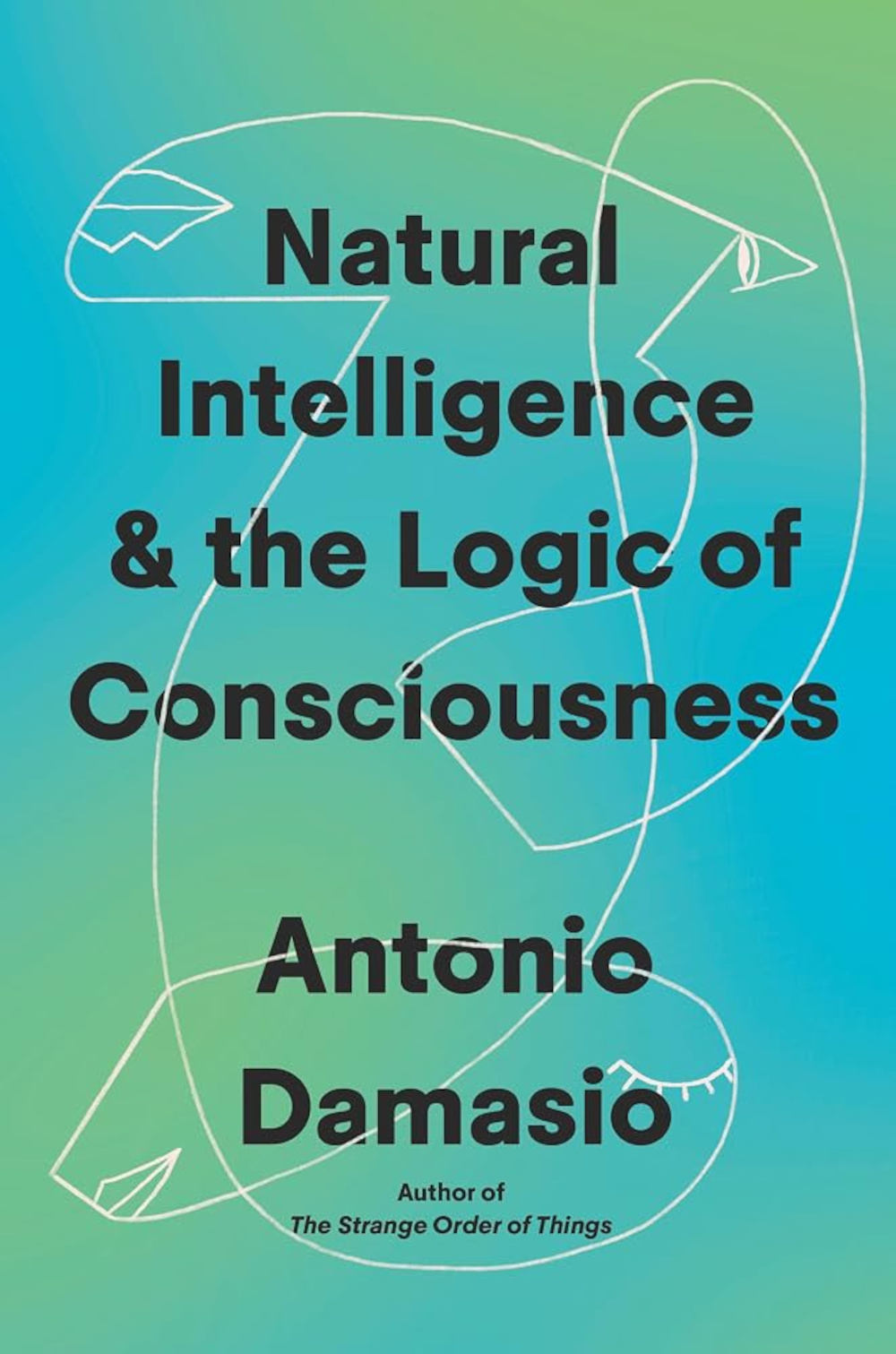
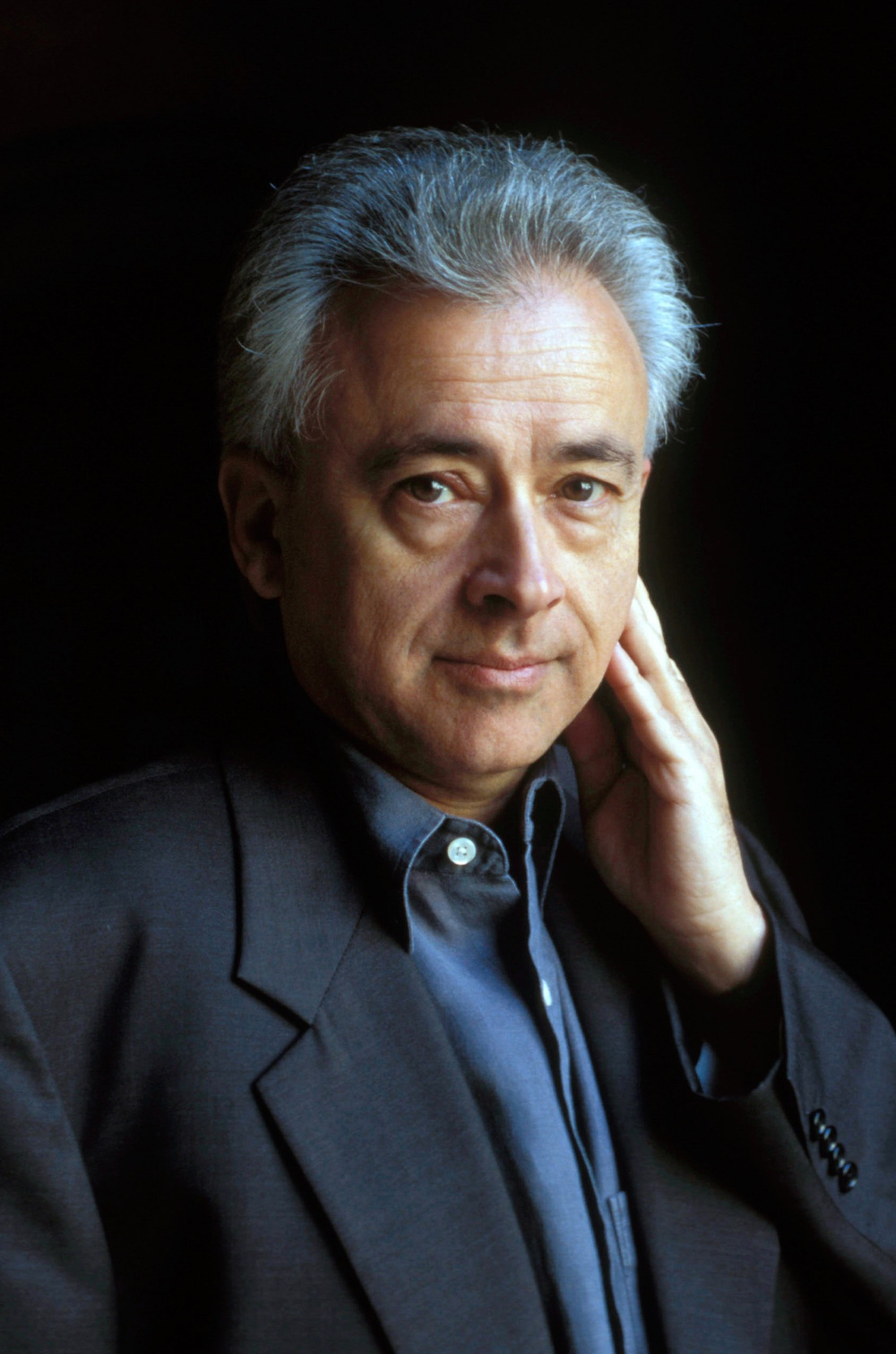
But Damasio has a different perspective. In his new book, he argues that evolution actually tackled this problem the other way around. “Trying to find the source of consciousness in a dedicated ‘consciousness-making’ device is futile,” he declares. Rather, Damasio argues, we “possess the celebrated gift of consciousness because of the continued presence and abundance of your homeostatic feelings.” According to Damasio, the conventional theories of consciousness have it backwards.
Throughout the first half of his book, Damasio wryly and systematically tackles each step in his argument. He distinguishes between several different mental processes in the conscious mind: the Feeling Mind, which concerns the processes happening inside our own bodies; the Perceptual Mind, which concerns the world around us; and the Reflective/Linguistic Mind, which “turns the tables on all the rest and allows us to reflect and reminisce.”
All of these minds join together in the Integrated Mind, but what distinguishes the Feeling Mind from the others is the fact that it consists of a two-way conversation. “My brain cannot talk to the cloud, or vice versa, but the wound that is causing me to feel pain can talk repeatedly to my brain about what is going on in that same wound,” Damasio writes.
We “possess the celebrated gift of consciousness because of the continued presence and abundance of your homeostatic feelings.”
In order to prove that the body’s natural processes gave rise to homeostatic feelings which, in turn, gave rise to the Feeling Mind, that two-way conversation, and ultimately consciousness, Damasio sets himself the difficult task of describing the physiological process behind it all, since, according to his argument, if we want to understand the biology behind consciousness, we must understand the biology behind homeostatic feelings.
He delves into interoception, “a technical umbrella term for the biological mechanisms and activities that enable the Feeling Mind to function,” and the “seemingly magical transformation” that occurs when biological processes transform into events and patterns that we can experience in the mind.
What makes this argument so convincing, writes Damasio, is the logic behind it. “The mystery behind consciousness begins to vanish,” he argues, “once we realize how the presence of consciousness reduces the vulnerability of the organisms so endowed, and increases their chances of survival.” He believes that consciousness must have developed very early in the history of life and “has been assisting evolution ever since, with splendid results.”

Once Damasio has laid out his argument, he explores all sorts of implications. Some are interesting but not urgent: Under the auspices of his view of consciousness, for example, plants, trees, and bacteria are sensing beings but not actually conscious, because they don’t experience the homeostatic feelings that inform conscious organisms of our own existence. Some are interesting and profound; for example, Damasio touches on the intriguing emotional, mental, and social byproducts of the ongoing conversation between bodies and brains, such as when emotional harm sparks physical pain, which “turns out to be a most curious and intelligent use of the machinery designed to protect our bodies in situations where the bodies have not been affected at all.”
But the most urgent implication of his arguments concerns one of humanity’s most urgent existential questions: artificial intelligence. As Damasio writes in his section on AI, “it is not merely one of the most intriguing creations of natural intelligence; it has become, for better and for worse, one of its most significant.”
Using the arguments outlined in his book, Damasio definitively wades into the debate about whether AIs can or will approach something approximating consciousness. He argues that it can’t and won’t, chiefly because AI does not possess that foundational tool of human self-awareness and existence: a body. “[A]rtificial minds do not have to worry about their life, because they have none,” he states. “They have nothing to lose, because there is nothing that they own.” That said, Damasio suggests that we could use his theory to mitigate the potential worst-case scenarios of AI independence. What if, he suggests, humans somehow give AI the “vulnerability that is a defining trait of actual life and is powerfully expressed by homeostatic feelings in all natural creatures endowed with nervous systems”? If AI did have something to lose, then that could act as a brake on its most nihilistic impulses.
Reading “Natural Intelligence & The Logic of Consciousness” can be a frustrating experience. Damasio’s ideas are complicated, and in his quest to dissect consciousness at its most minute level, he delves down to neuron-level processes that take place deep in the body. Because these ideas are so complex, and perhaps also because they are controversial (Damasio told Publisher’s Weekly that he only recently “had the guts” to share this argument) he often restates his central ideas and points. As a result, the book can feel repetitive and sometimes slow.
In addition, Damasio’s narrative would have benefitted from breaking up his lofty and heady ideas with more grounding examples drawn from life: In one passage in his pain chapter, in which he describes receiving anesthetic during dental surgery, I realized how much I longed for similar images of the conscious body at its everyday tasks.
Damasio believes that consciousness must have developed very early in the history of life and “has been assisting evolution ever since, with splendid results.”
And yet there is some charm to be found even in Damasio’s repetition, because one senses the awe, wonder, and excitement that he feels at finally sharing this theory after a storied, decades-long career. And even though some of the mechanisms that Damasio describes can feel obscure, the central process that he’s describing is anything but. After all, it’s a detailed description of what makes it possible for me to write this sentence, for you to read it, for our bodies to keep us alive — in other words, life and existence themselves, which are, well, everything.
At its best, Damasio’s book is a stirring reminder of the marvel of self-aware existence: of “the rich overall spectacle in each of our minds,” which “remains the greatest show on earth” and of the miraculous evolution of feelings from “a means to maintain life in relatively simple creatures” to one of the “defining elements of human existence, providers of joys and sadness, of glories and tragedy, of values high and low, nothing less than the deepest foundation of the humanity we inhabit and can observe.”
Emily Cataneo is a writer and journalist from New England whose work has appeared in Slate, NPR, The Baffler, and Atlas Obscura, among other publications.