






Engineering Animals to Grow Human Organs — But Not Human Minds


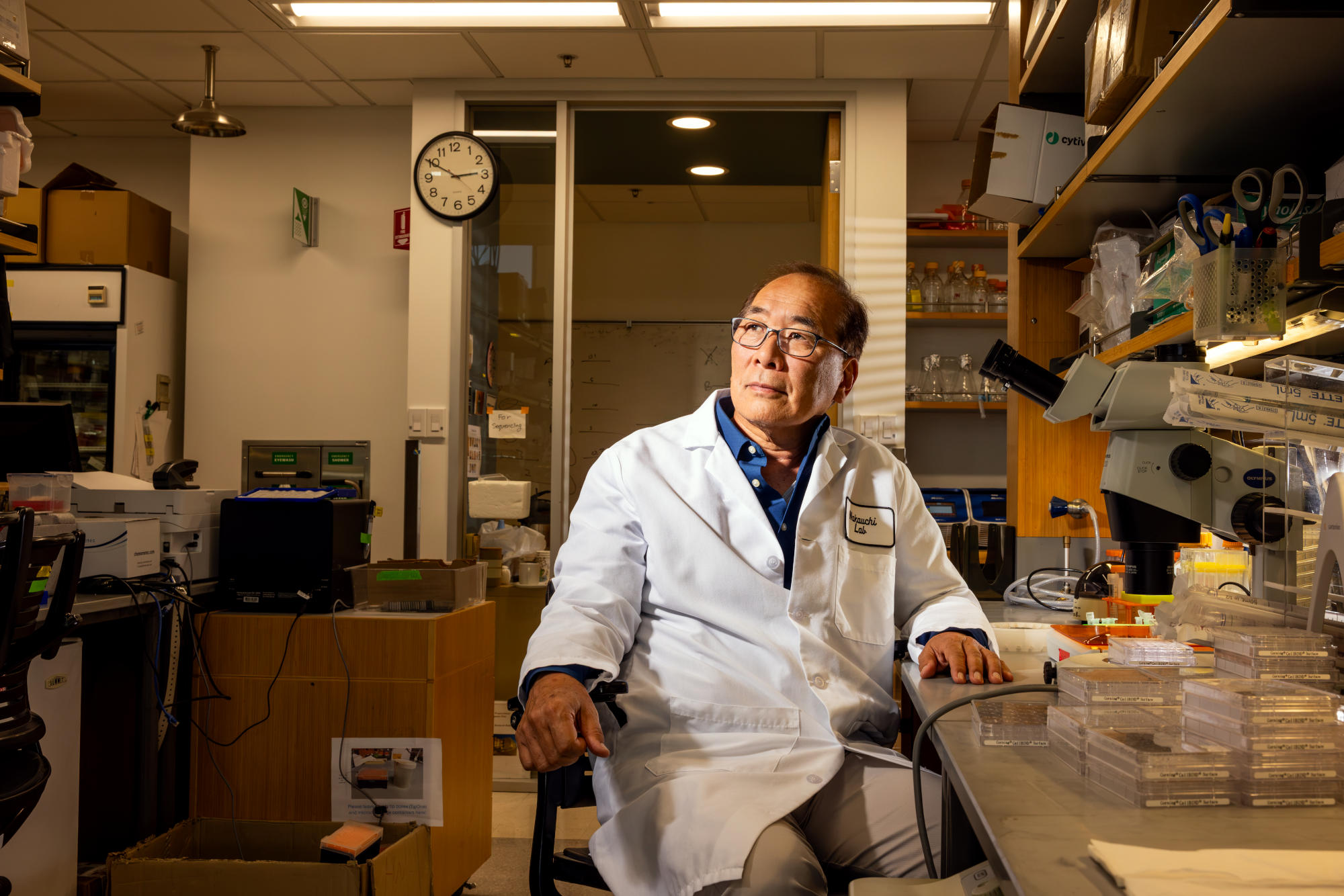
In 2010, scientists at the University of Tokyo and other institutions reported a startling achievement: They had successfully grown a pancreas made almost entirely of rat cells within the bodies of mice. The research was directed by Hiromitsu Nakauchi, a physician-scientist who also holds an academic appointment at Stanford University. Nakauchi specializes in developing “chimeric” animals made up of cells from different species. This unprecedented feat proved that an entire organ from one kind of animal can be grown within another. The chimeras had been generated as early-stage embryos that, after being implanted into surrogate mothers, came to term “just as in normal mouse pregnancy,” Nakauchi wrote in an emailed response to questions.

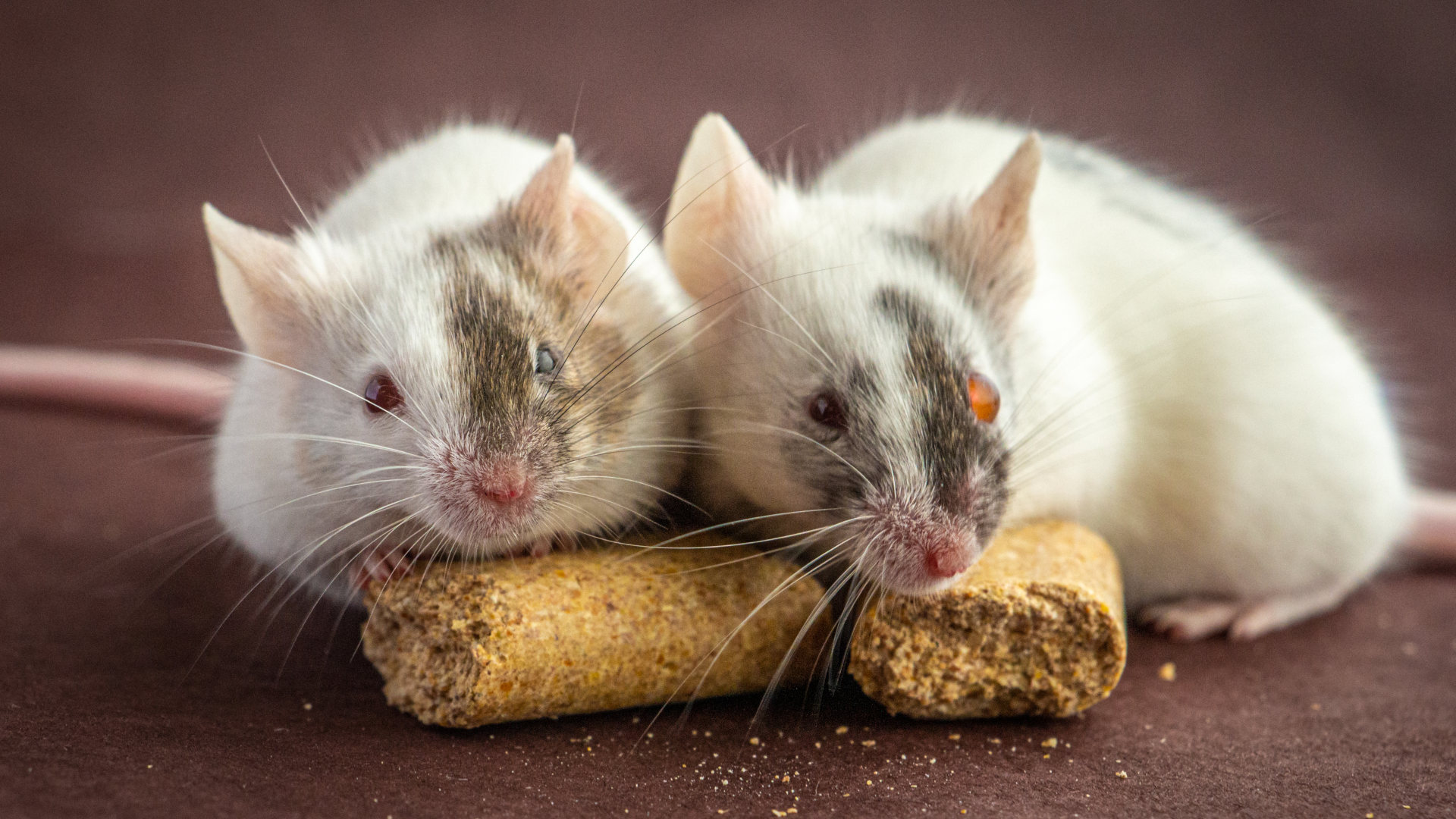
Nakauchi’s Japanese lab, now at the Institute of Science Tokyo, a public research university, hit another milestone this year by producing litters of baby mice that were partly human. Currently under review at the journal Nature Biomedical Engineering, the experiment is the first instance of pregnancies involving human-animal chimeras resulting in live births. The human cells were integrated with the animals’ blood vessels and heart muscles, showing a capacity to grow in a species that diverged from ours some tens of millions of years ago.
Scientists in the field argue that human-animal chimeras will provide crucial insights into human diseases. They might, for example, reveal early changes in Alzheimer’s and Parkinson’s that standard animal models can miss. Ideally, human-animal chimeras could help to meet the relentless demand for transplantable organs. About 100,000 people in the United States are currently on the national organ transplant waiting list, and an estimated 5,600 die every year before they can receive a transplant. Labs around the world are now performing chimeric experiments with pigs, sheep, and monkeys in addition to rodents — all with the goal of generating organs, blood, and other tissues that are as human as possible.
But the research also raises problems for animal rights, along with ethical concerns and worries that lab-generated creatures might develop greater self-awareness or even produce human reproductive cells. The notion of a chimeric animal with human brain tissue “creeps people out,” said David Prentice, a cell and developmental biologist with Science Alliance for Life and Technology, a nonprofit research and policy organization that counts stopping experiments using human embryos among its goals. Prentice raises the specter of experiments creating hybrids like those in H.G. Wells’ novel, “The Island of Doctor Moreau,” that “make humans less so, or the animals more like humans.” While Prentice is not against the creation of human-animal chimeras generally, he and other critics have pushed for restrictions on the co-mingling of human and animal life, which has been framed by some as a stain on the dignity of animals and humans alike.
A wide constituency of advocates and lawmakers have voiced concerns over chimeric investigations. But while modest restrictions have kept this line of research in check, exploration of human-animal chimeras continues to advance, as scientists steadily chip away at the physiological barriers that ordinarily prevent human tissues from propagating inside other species. Hank Greely, a professor at Stanford Law School who works on bioethics, predicts that anxieties over human-animal chimeras will fade if their therapeutic payoff becomes more obvious.
“You can’t assume that when the technology is available, it will be used only by people of good intentions.”
“We see that with a bunch of things that seem weird,” he said, adding that people were initially “freaked out” over the first baby born via in-vitro fertilization and by solid organ transplants, which have since become routine. But if such practices “are for a strong medical purpose, they’re not so weird anymore,” he said. Instead, “it becomes normalized.”
Critics, however, remain unconvinced. “I think that creating free living animals that are part human, for me, is a step too far,” said Stuart Newman, a developmental biologist from New York Medical College and a longtime opponent of chimeric research involving humans.
“You can’t assume that when the technology is available,” he added, “it will be used only by people of good intentions.”
Nakauchi trained as a physician in Japan. As a student, he spent a year at Harvard Medical School, where he said he “was exposed to both the clinical and basic-science aspects of transplantation medicine.” Upon returning to Japan, he completed his initial clinical training and worked part-time as a doctor before establishing his own research lab at the University of Tokyo. It was there that he first hit on the idea of using chimeric animals to generate human organs for transplant. The basic approach had already been worked out by the early 1990s in rodent studies by geneticist Frederick Alt at Harvard Medical School. Alt’s lab harvested blastocysts, early-stage embryos containing about 100 or more cells, with a deliberately induced defect: They lacked a gene called Rag2, which is essential for producing the B cells and T cells of a working immune system.
To restore immune development, Alt’s team injected the blastocysts with stem cells extracted from normal mouse embryos. Embryonic stem cells are pluripotent, meaning they can differentiate into any type of cell in the body. In Alt’s lab, they differentiated into immune cells that the engineered mice couldn’t make on their own. In short, the donated stem cells had completed a developmental step for immune cell production that the host’s cells couldn’t fulfill. The chimeras were implanted into surrogate mouse mothers and grew into healthy newborns that survived into adulthood.
Alt dubbed his method “blastocyst complementation,” a phrase borrowed from genetics where the word “complement” means to supply a missing function. (Importantly, the human cells used in most chimera studies today are not taken from embryos. Instead, scientists use proteins called transcription factors to reprogram mature cells, reverting them back to a pluripotent state so they can once again develop into other cell types).
Inspired by Alt’s research, Nakauchi also saw an opportunity: If blastocyst complementation could produce functional immune cells in rodents, he reasoned, then why not a pancreas, or a kidney? By growing a rat pancreas in a mouse, he proved that it was possible in experiments with closely related species. Skeptics might have initially scoffed at the notion, Nakauchi asserted, adding “but I could do it.” Building on that success, his Tokyo lab later grew a pancreas in a pig using cells from another pig, showing the method works in animals large enough to grow human organs for transplant. But the crucial next step — developing a human-pig chimera — was fraught with regulatory challenges.
Prompted in part by ethical concerns, Japan’s Ministry of Education, Culture, Sports, Science and Technology had earlier imposed strict limits on research on what it calls “specified embryos” produced by cloning or the mixing of human and animal cells. The applicable regulation barred researchers from implanting humanized chimeras into surrogate mothers or even growing them in Petri dishes for longer than 14 days. Countries including the United Kingdom, Canada, China, India, Spain, Belgium, and the Netherlands had adopted similar 14-day limits on embryo research. These limits were thought to strike a pragmatic compromise between research goals on one hand and concerns for an embryo’s moral status on the other.
Nakauchi spent years pressing Japan’s government to relax its restrictions, without success. He began to wonder if by moving to the U.S., where there was no comparable federal statute, “I may be able to do this kind of experiment.”
If blastocyst complementation could produce functional immune cells in rodents, he reasoned, then why not a pancreas, or a kidney?
Nakauchi soon accepted an offer from Stanford, arriving there as a full professor in 2014. But the next year, his ambitions once again hit policy headwinds, coming this time from the National Institutes of Health. Mounting concerns over the impact of CRISPR and other powerful gene editing tools on chimera research had prompted the NIH to declare a moratorium on funding studies that put human pluripotent cells into animal embryos until the agency completed a review of the science, animal welfare, and ethical issues.
In an open letter published in Science in 2015, Nakauchi and several co-authors argued for lifting the moratorium, stating that it threatened scientific progress. The NIH relented in 2016 — proposing that certain chimeric studies could be funded as long as they didn’t involve primates, which Greely points out are closer to humans in appearance and behavior than other species. The NIH proposed to also maintain a ban on funding studies that could cause human sperm or egg cells to form in animals. Still, the NIH proposal drew a quick backlash from pro-life and religious groups. In a letter to the NIH, the United States Conference of Catholic Bishops charged that the agency was disregarding a basic moral principle by permitting the creation of beings “who do not fully belong to either the human race or the host animal species.” The Charlotte Lozier Institute, an anti-abortion think tank, and the Family Research Council, a conservative advocacy group, weighed in with a five-page comment insisting that the proposed changes would approve taxpayer funding for generating chimeras with “substantially or completely human-cell derived brains.”
More than 1,000 people wrote in opposition of rescinding the moratorium. And ultimately, the opponents prevailed. The funding moratorium still remains in place, leaving U.S. scientists legally free to work with humanized chimeras but also dependent on state, institutional, and private sources of financial support. Japan lifted its 14-day rule in 2019. Nakauchi by then had already been offered a cross-appointment that enables him to operate labs in California and his home country. Stanford permits Nakauchi to grow human-mouse chimeras in-utero, but only for up to 18.5 days, which is when the fetal animals are almost fully developed. (The average gestation period for a mouse is 19 to 21 days.) Japanese regulations, meanwhile, permit live chimeric births.
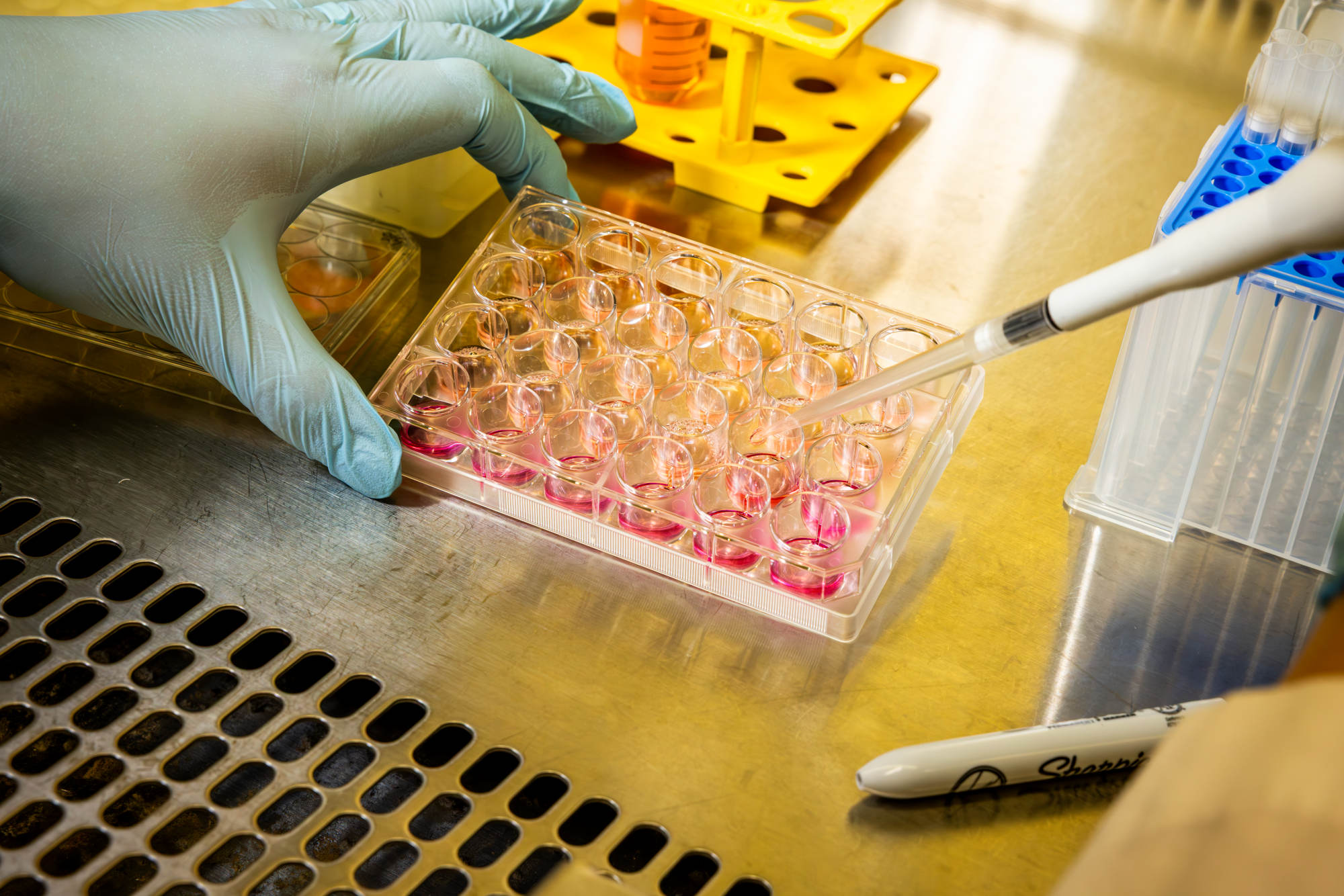
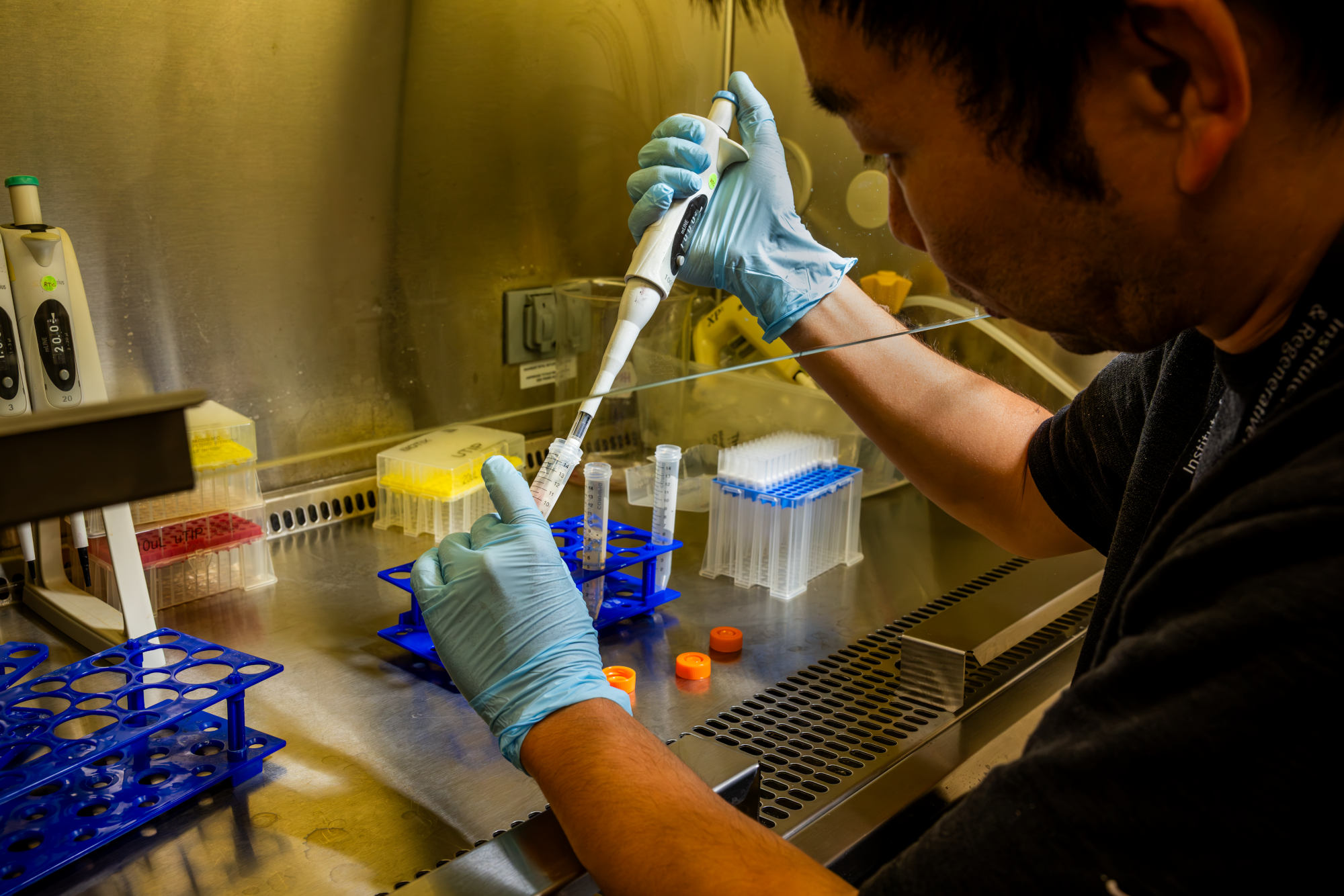
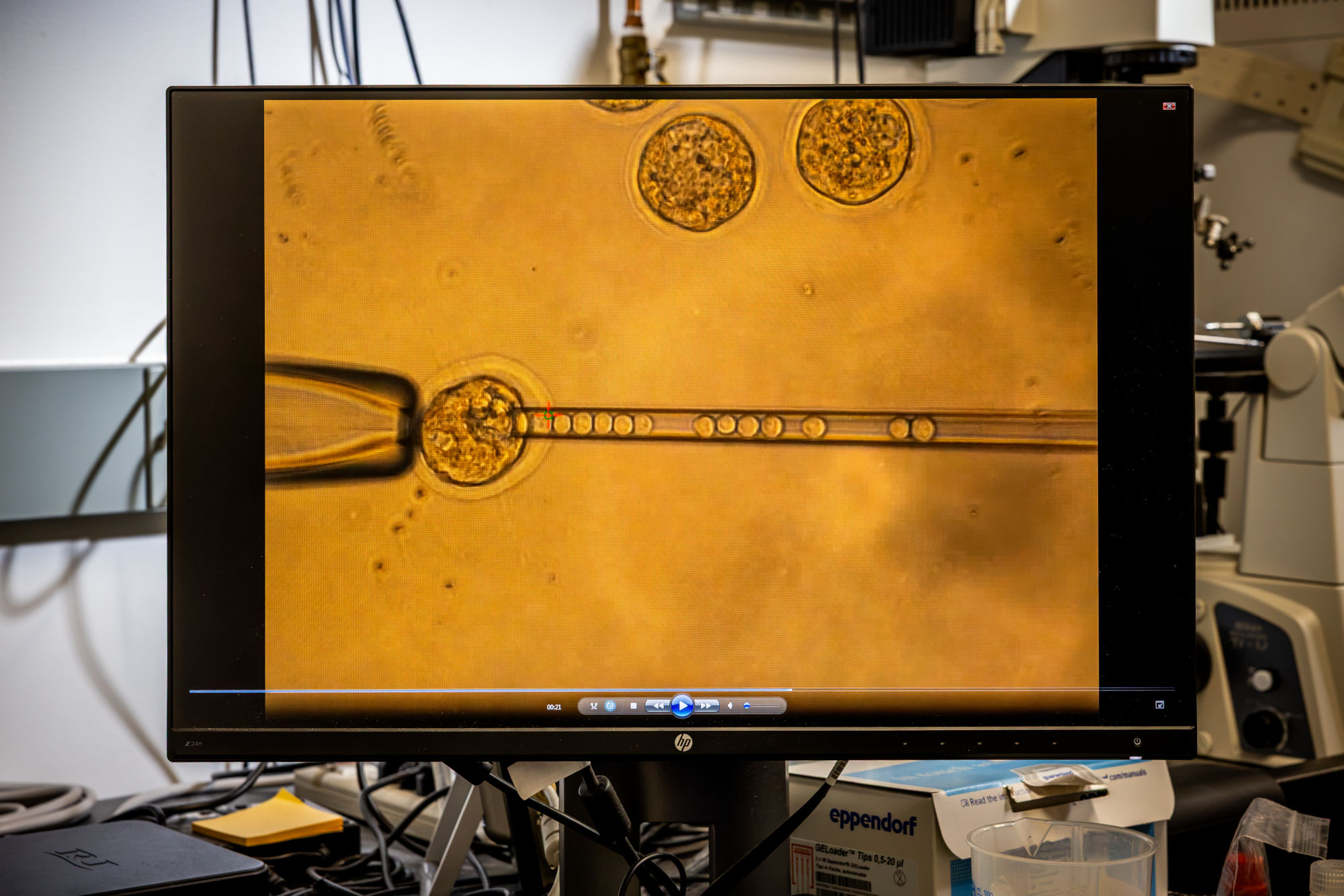
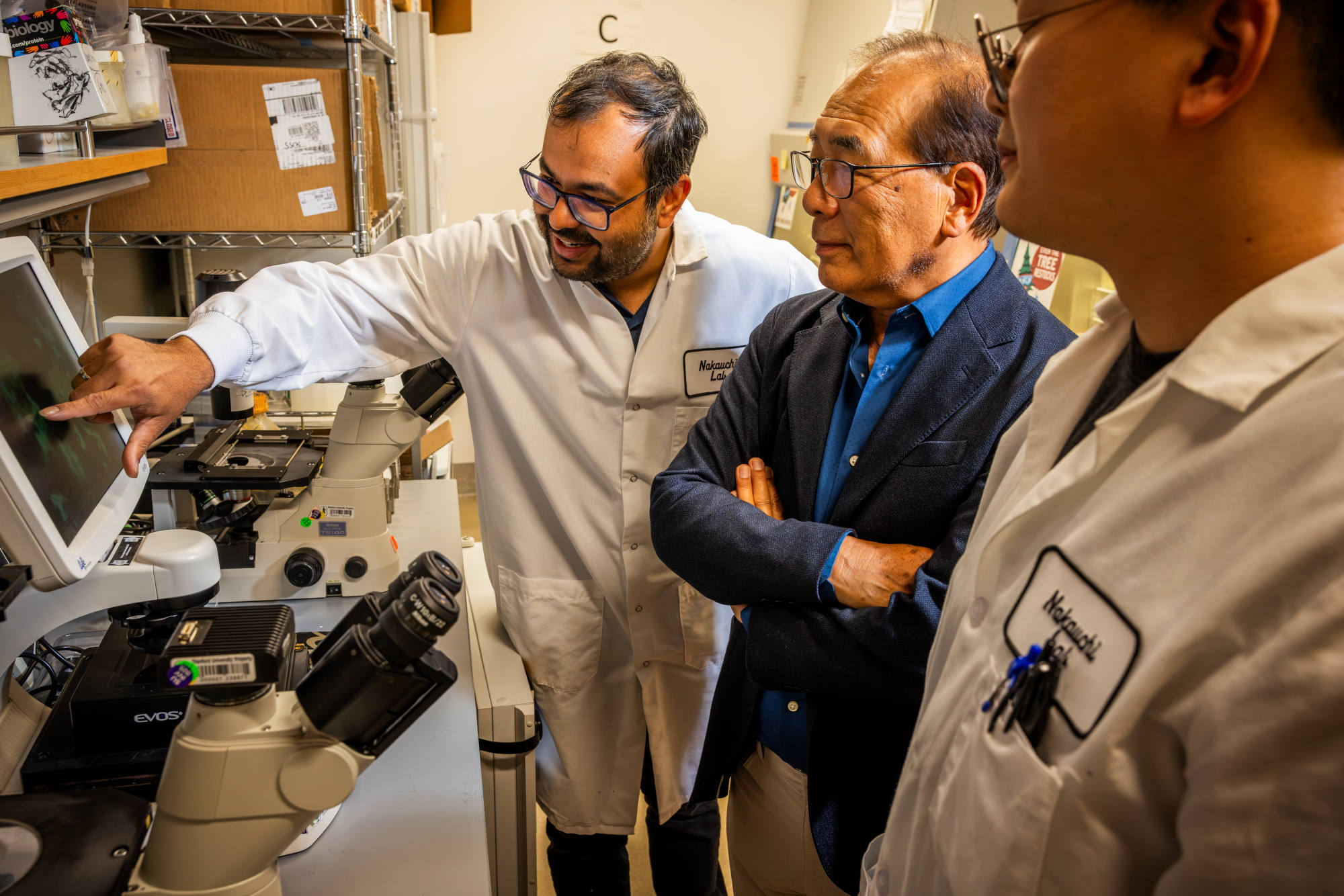
Today, Nakauchi, who moved to the Institute of Science Tokyo in 2024, directs teams of graduate students, post-docs, technicians, and visiting scholars inching towards a more complete integration of human and animal biology. In his respective labs, mice scurry about their cages, some pregnant with chimeric embryos developing in the womb. The human cells within them are engineered to express green fluorescent proteins that glow brightly under a microscope. Nakauchi says the mix of different methods in his lab allows him to confirm the presence of human cells in chimeric organs, “and how they are distributed within tissues.” The aim is to generate tissues with “therapeutic applications in the future.”
Heart valves made from pig and cow tissue are routinely implanted into human patients. And in recent years, genetically modified pig organs, including hearts, kidneys, and livers, have been transplanted into human recipients as well. But to advance towards what many see as a holy grail for research with interspecies chimeras — generating transplantable human organs in livestock animals — scientists still have to overcome a litany of “xenobarriers” that limit human cell integration in a non-human host. The cells in a developing embryo need to talk to each other and inform each other, said Walt Low, a neuroscientist and stem cell biologist at the University of Minnesota who develops chimeras as models for studying brain diseases. Cells engage in that crosstalk in part by secreting proteins that bind to receptors on other cells.
When those cells are from different species, however, their respective proteins and receptors may not recognize each other. Cells from different species express differences in adhesion molecules — proteins that help cells stick together. And those differences can prevent the cells from organizing correctly into tissues.
With blastocyst complementation — the method Nakauchi has used in his work — human cells in a chimera “can have a place to populate, a place to proliferate, place to survive, and a place to build an organ,” said Mary Garry, a trained neuroscientist who develops human-pig chimeras at the University of Minnesota. What the cells encounter otherwise is a harsh, competitive environment, where growing tissues from the animal host are more apt to say, “This is my house — get out,” she added.
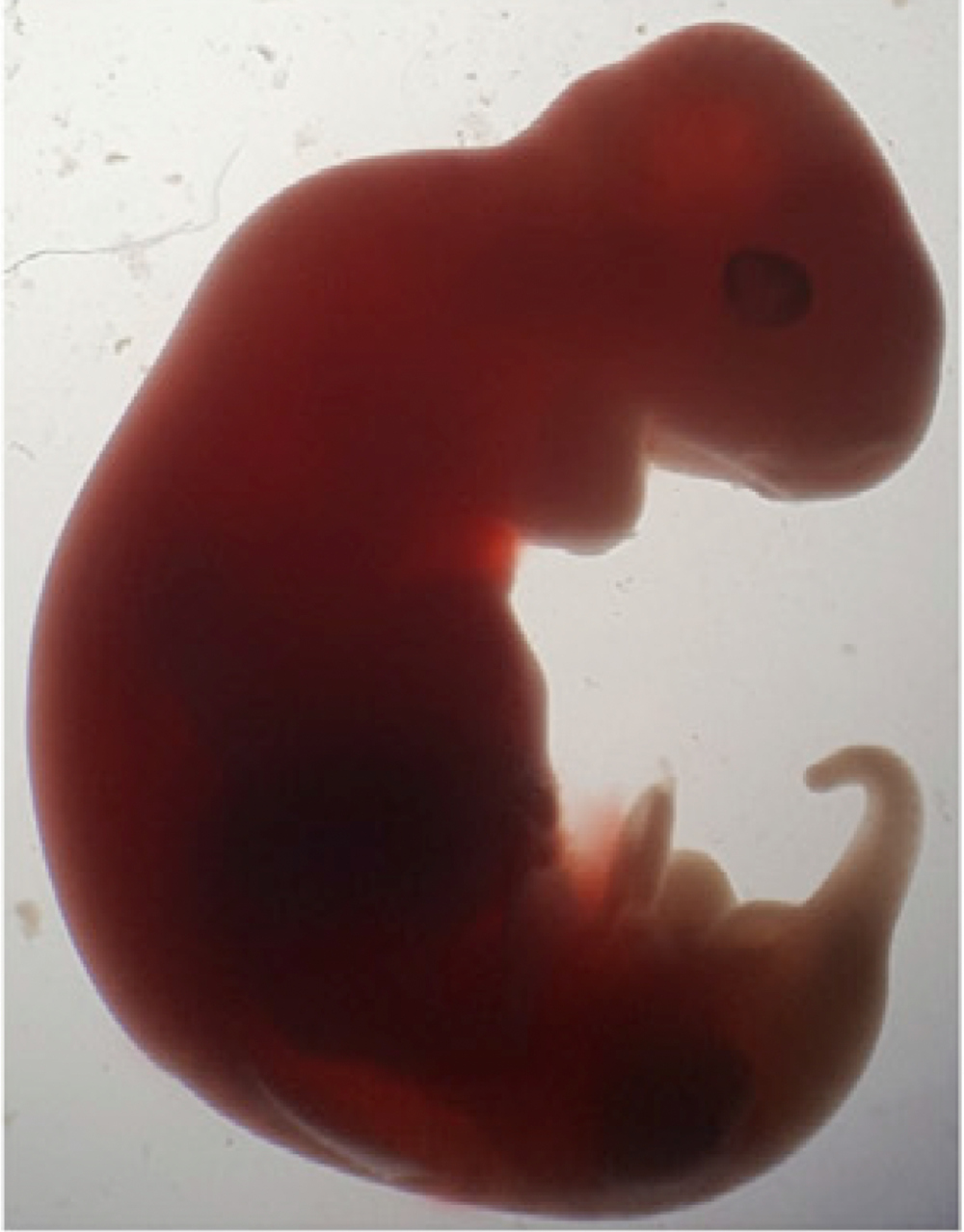
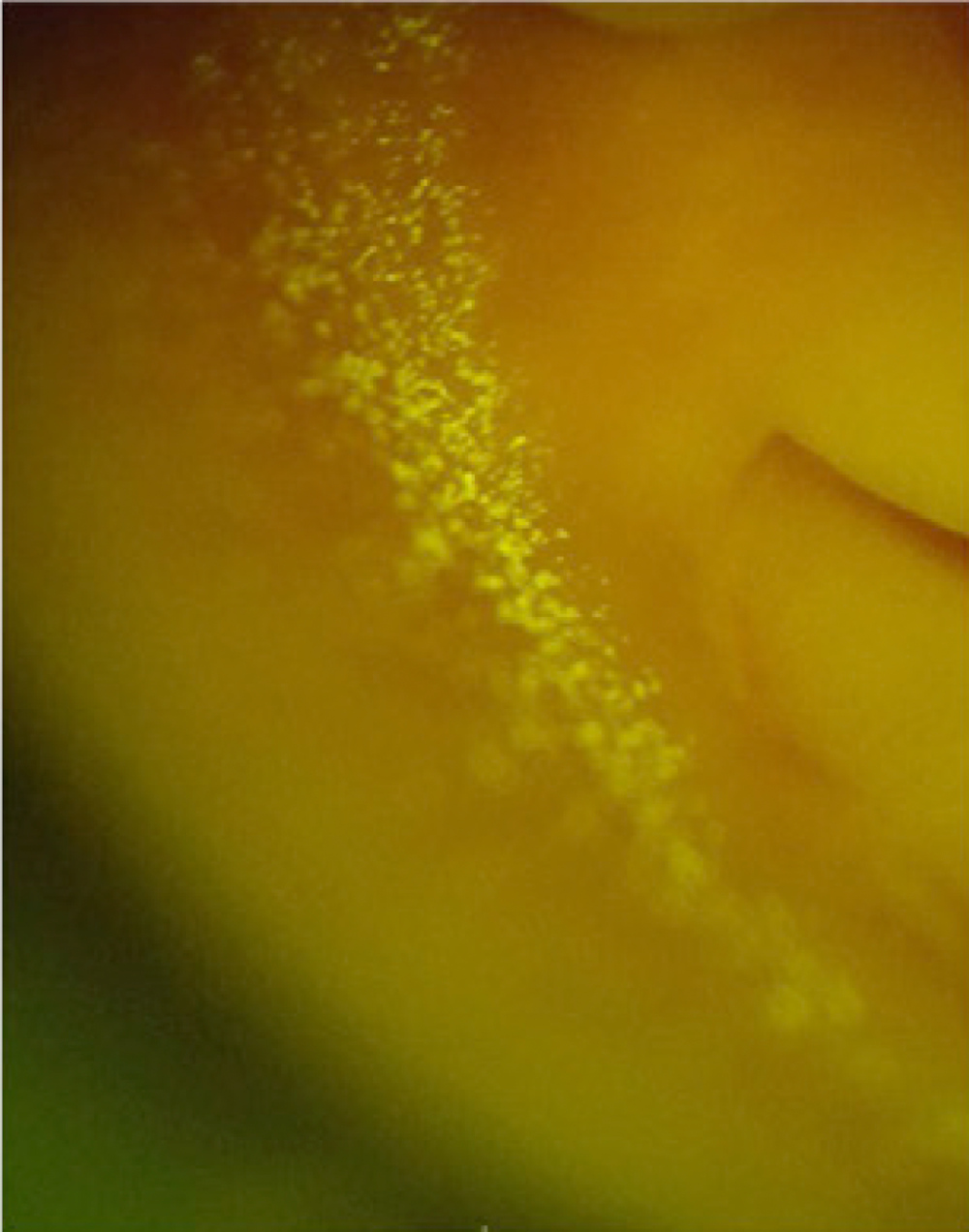
Animal cells will attack their human counterparts, triggering a sort of programmed cell death called apoptosis, according to research by Jun Wu, a stem cell biologist at UT Southwestern Medical Center. Wu and other scientists are devising strategies to thwart these attacks, one being to engineer human stem cells so that they express anti-apoptotic genes. Indeed, Nakauchi’s live-born, human-mouse chimeras relied on stem cells engineered to express the anti-apoptotic gene BCL2. The team also introduced another gene known as MYCL to regulate cell proliferation.
Blastocyst complementation does offer human cells a competitive advantage, Wu said, by giving them a vacant genetic niche to fill. If scientists can eliminate or disable the host’s capacity to build a particular organ, then human cells might assert “absolute dominance” in that process, Wu said.
Garry and her husband Daniel Garry, a transplant cardiologist, engineered pig embryos lacking a crucial gene called ETV2 that prompts a developing vascular system. Embryos lacking the gene are unable to make red blood cells nor endothelial cells that line blood vessels. But human stem cells saved the day. Injected into the engineered blastocysts, they brought an ETV2 gene of their own. Within the womb, the resulting chimeras developed a human vasculature and survived up to 18 days before they were terminated.
Scientists still have to overcome a litany of “xenobarriers” that limit human cell integration in a non-human host.
To establish functional organs, however, donor cells from humans or other species must adapt to the host’s gestational timeframe. Pregnancy in a pig, for instance, lasts just under four months, compared to nine months in a human. And like a car entering the highway, Wu explained, a human cell in an animal embryo needs to divide at host-specific rates if it’s going to be “seamlessly incorporated into the traffic.” Mismatches in developmental timing can cause donor-derived cells to fall out of sync with the embryo’s growth, Wu cautions, impairing their integration with host tissues.
Evidence does show that a host sets the developmental pace in some cases. One study found that human red blood cells and some eye cells formed much sooner in a human-mouse chimera than they would have in a human embryo, suggesting that the animal’s developmental clock was in control. The human cells were “basically following the trajectory of the mouse embryo,” said Jian Feng, a stem cell biologist at the State University of New York at Buffalo, who led the research. In email correspondence with Undark, Wu pointed out that similar synchronicities have been observed in chimeric studies with the pancreas and kidneys.
Still, this is likely organ specific, he noted. And “some cells will adopt host timing and others likely won’t,” he added in an email, with timing being “a bigger issue with more distantly related species with respect to organ development.”
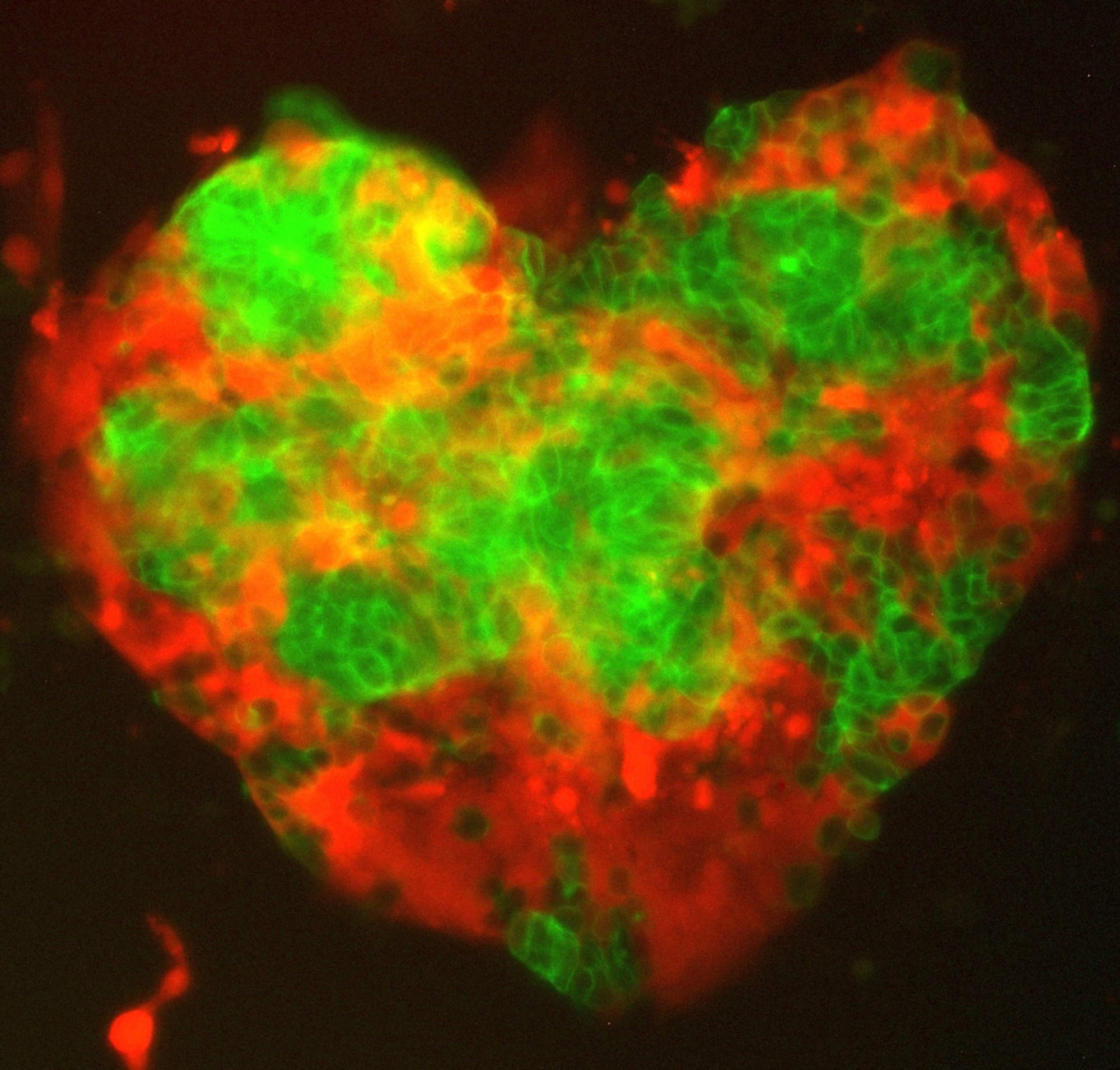
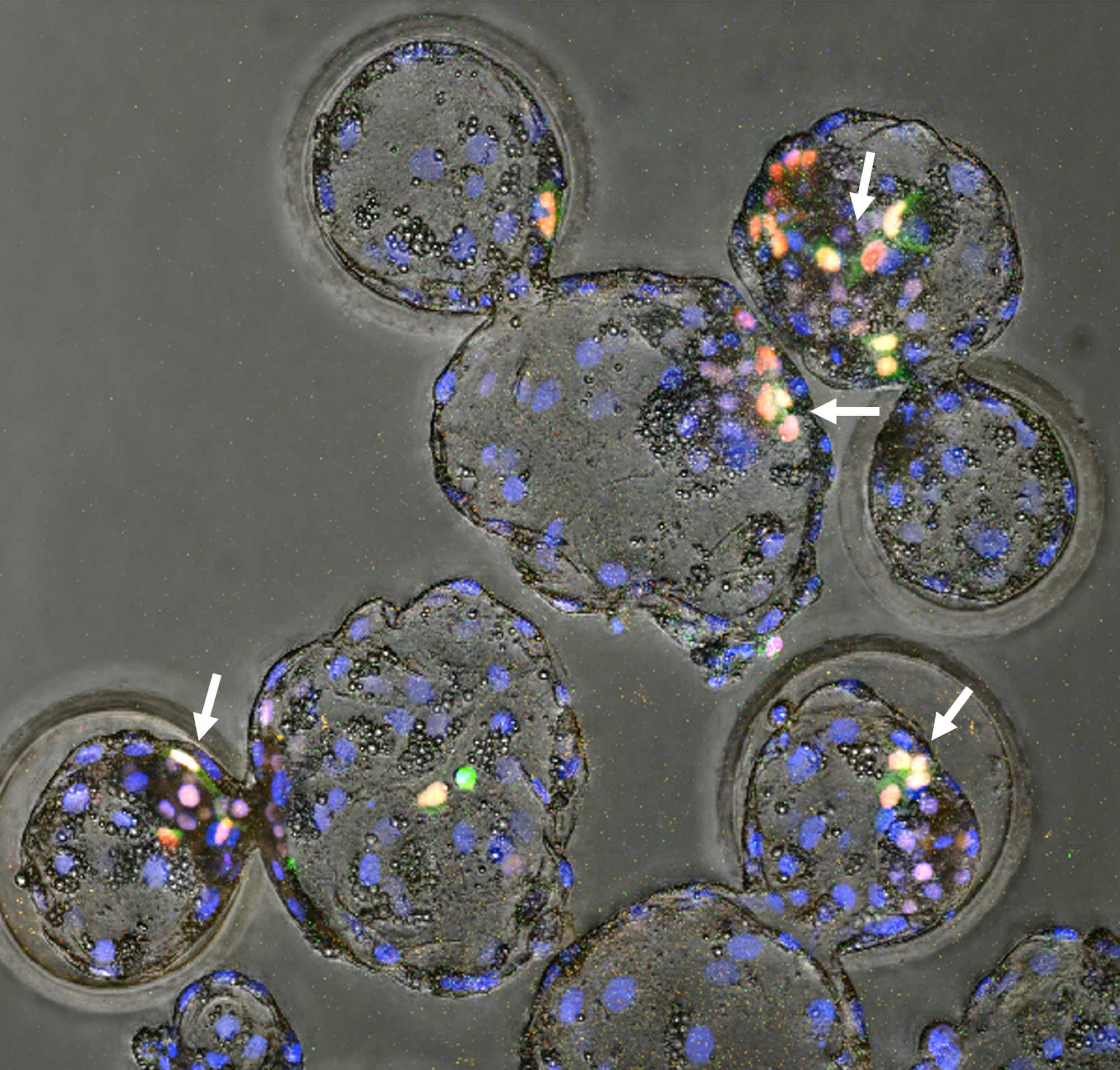
Similarly, chimeric organs that are too big or small for an animal’s body may fail to establish proper physiological connections. Transplantable organs must generally match the body size of the recipient, no matter the animal they were grown in. As with developmental timing, evidence indicates that the host also, in some cases, controls the organ’s final size. The chimeric rat pancreases grown in Nakauchi’s Tokyo lab, for example, were mouse-sized. And in 2017, his team showed the same principle in reverse: growing a mouse pancreas in a rat that developed into the larger size expected of a bigger rodent.
Arguably, the boldest claim of human chimerism so far was made in 2023 by a team led by Liangxue Lai, a researcher at the Guangzhou Institutes of Biomedicine and Health in China, and others. The team reported that they had grown early-stage chimeric pig kidneys containing up to 60 percent human cells, a figure described at the time as a record high. Lai and several co-authors didn’t respond to emailed questions from Undark, and other sources for this story were reluctant to comment on their claims. When asked, Nakauchi was doubtful that the 60 percent claim was accurate. Lai’s papers are “very difficult to understand,” he said, adding in an email that if the data were real “they would likely have already generated fully human kidneys and hearts by now.”
But such results only underscore the concerns of critics, who worry that even those researchers attempting to coax the growth of a usable pancreas or kidney inside a human-animal chimera might inadvertently introduce human cells into the animals’ brains, with unpredictable results. Human pluripotent cells could conceivably develop into reproductive cells, raising the specter of human sperm cells in a rat, or become incorporated into the brain, resulting in an animal with morally relevant cognitive capacities. Such worries have fueled multiple Republican-led efforts to ban human-animal chimera experiments in the U.S., including those that generate a “nonhuman life form engineered such that it exhibits human facial features or other bodily morphologies to resemble human features.” A bill introduced by New Jersey Rep. Chris Smith in 2025 aims to specifically prohibit embryos produced by “mixing human and nonhuman cells” in ways that might cause chimeras to develop human reproductive cells or a “human brain or brain derived wholly or predominantly from human neural tissues.”
Scientists in the field argue that such concerns are overwrought. They also say they’re exploring more programmatic ways to prevent human cells from migrating to the brain or reproductive organs at all. One promising method would be to engineer those human cells to express specific types of self-destruct genes that become activated only if the cells wind up in the wrong place. Using that technology, a cell “would kill itself,” Garry said, before it could fully develop into a neuron. Uncontrolled migration of cells to unintended parts of an experimental chimera is not something that is routinely observed in the lab, Garry pointed out. “It’s not being reported that people are seeing a lot of cells migrate to the brain.”
Support Undark Magazine
Undark is a non-profit, editorially independent magazine covering the complicated and often fractious intersection of science and society. If you would like to help support our journalism, please consider making a donation. All proceeds go directly to Undark’s editorial fund.
Even if human cells did get into the brain, experts suggest that they likely wouldn’t enable rats, mice, or other animals to behave in ways that critics fear. In studies where human dopamine neurons were put into mice and rats, for example, Low emphasized that the animals were not suddenly able to walk on their hind paws or “use their digits to, you know, write and things like that.” The brain’s wiring system is unique to each species, he added, and while the presence of human cells within it can enhance behavioral function, it’s unlikely to humanize an animal’s level of consciousness.
The Science Alliance for Life and Technology’s Prentice, however, said he was unconvinced that self-destruct genes would be effective as a regulatory method “to prevent prohibited forms of human-animal chimeras.” And the New York Medical College’s Newman argued that the very fact that scientists can control where human cells go makes the technology a double-edged tool. He worries less about “good-intended people that want to avoid making mistakes” than “technological cowboys who want to see what’s possible.”
Newman points to a widely cited study during which scientists at the University of Rochester injected immature human cells into the brains of newborn mice. Called glial progenitors, these sorts of cells mature into brain cells that help neurons function smoothly, and some types soon spread into the cerebral cortex, a part of the brain that governs learning and memory, among other functions. (The scientists injected the human cells into brains of live animals and not blastocysts in a dish.) But when the chimeric animals reached adulthood, they seemed unusually smart — a finding that made headlines when the research was published in 2013. The chimeras looked and acted like ordinary mice but were faster at learning how to navigate a maze, for example.
When asked about the study, Low responded that while transplanted human cells may have enhanced neural processing, the animals never exhibited humanized behavior. For his part, Newman is so alarmed by this sort of research that he once tried to patent methods for generating human-animal chimeras, purely so that no one else could use them. Submitted nearly 30 years ago — supported by Jeremy Rifkin, an economist and longtime biotechnology skeptic — his patent ultimately failed. But Newman — who had no intention of pursuing the research himself — remains steadfast in his views. To him, human-animal chimeras are a step towards a broader threat of genetically engineering “what we used to consider people into commodities, into things that you can make, things that you can improve, things you can exert kind of industrial quality control protocols over their production.”
Nakauchi is mindful of the accumulating ethical questions. He said that under his current monitoring framework, if the proportion of human cells in a human-animal chimera’s brain were to exceed 30 percent, his team would stop their experiments and consult the relevant oversight committee before continuing. “There is currently no scientifically established percentage of human cells in an animal brain at which ‘human-like consciousness’ would emerge,” Nakauchi wrote in a follow-up email, describing the figure as a conservative monitoring measure.
“There is currently no scientifically established percentage of human cells in an animal brain at which ‘human-like consciousness’ would emerge.”
Whether that will satisfy detractors is an open question, but there is some evidence that the public at large may be more open to certain lines of chimeric research. Josh Rottman, a psychologist at Franklin and Marshall College, co-authored a paper last year looking into whether human-animal chimeras generate “moral confusion” among members of the general public. The researchers recruited more than 500 adults from the U.K. and the United States from two crowdsourcing sites and probed how the participants felt about the moral status of animals containing human cells, tissues, or organs.
Based on the results, the authors concluded there was no evidence to suggest “that the public finds, or will find, human-animal chimeras confusing” or that the creatures “have the potential to challenge common conceptions of moral status.” When it comes to human-animal chimeras, people are “much more accepting than we anticipated,” Rottman said.
“They don’t see the status of animals as being elevated when human tissue is implanted into them,” he added. Clear medical benefits from the research “also looms large in people’s judgments,” he said.
Nakauchi, meanwhile, says he’s confident that his research will one day generate human organs for transplantation — an outcome with lifesaving implications for millions of people. That’s his ultimate goal, he said. Still in the early stages of making human-animal chimeras, Nakauchi said, “more and more scientists are coming, getting into this field.”
“I’m very optimistic.”
Run the mice for congress