





The Evolving Quest to Build Life in a Lab


On a lonely planet, billions of years ago, a soup of chemicals — in the right place, at the right time, and with the right conditions — shifted from an unalive assemblage into something scientists would call life.
Billions of years and a lot of evolution later, researchers are now attempting to reproduce that shift in their labs. They are, put simply, trying to create life. If they mix Goldilocks ingredients together in a Goldilocks way, the ingredients will hopefully coalesce into cells, with all the parts cells have and the functions they perform. And they’re getting awfully close.

Scientists working toward this endpoint have different aims and generally fall into two main groups. The first wants to understand how life came to be in the first place by replicating the conditions of this long-ago lonely planet; the second want to design cells from scratch that can potentially perform specialized jobs for humans, from medical treatment to manufacturing without the billions of years of evolutionary baggage that can have unpredictable effects.
Both sides of the effort are growing, with a coordinated program funded by organizations like the National Science Foundation and research supported by NASA. There has also been more regulatory scrutiny — a sure sign of scientific progression, and the reality of the technology’s risks.
Kate Adamala, a synthetic biologist at the University of Minnesota, was in the former research group, focusing on the origin of life, but decamped to the latter after graduate school. “I want something that’s still very foundational, very discovery-driven, but it would be nice if there were actual real-life applications,” she said. She found it in synthetic biology.
Today, she uses the field’s modern tools to try to make life in the lab — and she recently made a breakthrough: In July, she announced that she had built a synthetic cell she dubbed SpudCell. It can feed, compete for food, grow, divide, and replicate its DNA — showing, in other words, a cell’s complete life cycle.
Still, it’s not quite “alive,” scientists tend to agree: It can’t whip up its own protein-makers, the full genome doesn’t carry through more than a few generations, and it can’t evolve on its own. The paper also has not yet been peer-reviewed or published in an academic journal.
If they mix Goldilocks ingredients together in a Goldilocks way, the ingredients will hopefully coalesce into cells, with all the parts cells have and the functions they perform. And they’re getting awfully close.
If the SpudCell were alive, it wouldn’t be life as it arose on ancient Earth, necessarily a basic and limited form. But research on it and related work could illuminate the basics of biological functioning, while also yielding ginned-up cells that humans could put to work by, say, creating chemicals that now come from petroleum. Adamala liked the combination of basic science and application. “That turned out to be jackpot,” she said in an interview with Undark in February.
She’s been working toward that, building what those in the field call “synthetic minimal cells,” cells constructed with known ingredients, to accomplish specific tasks (like metabolizing); they, according to Adamala’s university webpage, have “some, but not all functions of live natural cells.” The version she has recently worked on, SpudCells, are essentially tiny fat bubbles with DNA or RNA inside. That genetic material can instruct the fat bubble to make proteins, as it does in natural cells. Her creations can also merge, a capability that could allow them to interact with human cells later and send their protein products to the outside world. That would make them useful to the medical or manufacturing communities, since the molecules that become plastic or medicine don’t do any good if they remain locked inside a cell’s boundaries. SpudCell is an advanced version of these ideas, using 90,000 genetic base pairs and a premade mixture of enzymes, borrowed from actual life. The cell can copy DNA, feed using proteins it produces, and divide once it’s fed sufficiently.
As synthetic biology develops, the field’s quest to make life in the lab could help lead to targeted medical treatments, but that pursuit could also someday — without proper regulation and oversight — pose safety and containment concerns, if the technology were weaponized to deliver harmful material or if a leak allowed the cells to travel beyond their intended target. And while Adamala’s work replicates — as do the Frankenstein creations of other researchers — some aspects of life, its products can’t, say, replicate themselves, as a normal cell would.
To say someone has created life in a lab, they would need to get a synthetic cell to do all the things life does, at once. But getting the parts to be more than their sum has proven difficult. “Up until now, the conversation has been, ‘Well, you put all these things in physical proximity at the same time, and then magic happens, right? Life happens,’” said Elizabeth Strychalski, head of the Cellular Engineering Group at the National Institute of Standards and Technology.
But life hasn’t happened — at least not yet.
Even if a scientist were to succeed, determining that’s the case might be complicated, because there is no official definition of what makes something alive. Adamala wants to make life in a lab. But what, actually, does that mean? “I can’t tell you, because I don’t have a definition of life,” she said.
Adamala, for one, is sanguine about that uncertainty. “We quietly ignore that problem and just move on with ‘I want to make something that looks like a cell,’” she said in the February interview conducted before she had released the SpudCell paper. “And I will know it when I see it.”
The dictionary version of life might be squishy, but many scientists do generally agree on a few of its characteristics: It has to reproduce, turn fuel into energy through metabolism, respond to that environment, maintain its own internal environment, and evolve.
How some chemicals in Earth’s younger years came to accomplish all those things remains one of science’s biggest mysteries. Life, in many ways, comes down to chemistry; studying the interaction between certain molecules can reveal how they may have come together and undergone chemical reactions that eventually became biological.
But finding the answer is one goal of the Origins of Life Initiative at Harvard University, a collaborative research group that began around 20 years ago. “I met and started talking to people who were working on the deep history of Earth,” said Dimitar Sasselov, an astronomer and the organization’s founding director. “What was the Earth like when life came about?” And what, he wondered, did the early evolution of that life look like?
Get Our Newsletter

Sasselov decided that understanding that tipping point — how life, once it emerged, transformed and took over the planet — deserved more study. But it required a big tent, with people from many disciplines: thus, the Origins of Life Initiative. The researchers all had to become mini-experts in each other’s fields. For his part, Sasselov jokes that he got his initial knowledge of chemistry from reading the “Complete Idiot’s Guide” to the topic.
As the Origins of Life Initiative was spinning up, Sasselov helped spearhead the Kepler Space Telescope launch in 2009. The project’s goal was to discover planets a bit like Earth, orbiting their stars in ways that might make them habitable. The telescope went on to discover thousands of planets of all sorts. At the same time, attempts to create life, or its pieces and parts, in labs across the world accelerated. Sasselov thought that was an interesting way (perhaps the only way) to find out how life might have arisen here or on those other worlds that Kepler saw.
Sasselov, for instance, looks at how RNA — which, among other tasks, acts as a messenger to deliver DNA’s genetic instructions — interacts with small amino acids and peptides. He’s not himself trying to build a full cell, but rather trying to understand how initial cells’ building blocks may have stacked together.
Much of Sasselov’s work focuses on shining (literal) light at such foundational molecules and seeing which can preferentially survive and even harness the ultraviolet bombardment, which the sun would have blasted at early Earth. Knowing more about that could reveal key ingredients in life’s assembly.
In fact, many experts suspect that life may have started after RNA formed, spurred on nearby chemical reactions, and spontaneously started to replicate; only later would the more complicated genetic material, DNA, have formed from its simpler upstart. Earlier this year, researchers at the MRC Laboratory of Molecular Biology and the Inria Lyon Centre published a Science paper outlining their discovery of a short strand of RNA that came close to replicating itself.
Many experts suspect that life may have started after RNA formed, spurred on nearby chemical reactions, and spontaneously started to replicate
Other researchers recently combined water and silica, and shot electricity at the mixture to simulate lightning. Almost like magic, their concoction formed a solid organic film, made of polymers — large molecules made of similar units bonded together — of hydrogen cyanide. The film contained little spherical structures the research team deemed “protocells.” The structures and the ingredients could plausibly have existed together eons ago, and with further chemical evolution — way back when, and perhaps soon in the lab — could organize into something more complex.
Work at the Origins of Life Institute and other beginning-of-life-focused research groups complements work done by scientists like Nobel Prize-winner Jack Szostak, at the University of Chicago, one of the leaders in investigating the idea that RNA may have preceded, and become key to, the first cells.
Szostak has worked on creating cells whose boundaries are fatty acids, with RNA inside — similar in idea to Adamala’s minimal cells. (Adamala did her graduate work in Szostak’s lab.) “Experimentally, we’re trying to just build a system that we think, in some ways, mimics what the first simplest cells, otherwise known as protocells, would have looked like,” said Szostak.
In the right conditions, Szostak’s creations can divide and split the RNA so that each of the pair gets some. The lab has also made cell-like structures whose RNA can create a copy of itself internally. Recently, his team has investigated whether RNA segments arranged into a circle might point the way toward actual genetic replication. They came up with this idea, he says, during the early months of the COVID-19 pandemic, when they couldn’t go into the lab but could talk to each other.
All of these parts need to come together, from the soup to the cell, for the astrobiologists to declare they’ve made life in the lab. That could happen in a year, Sasselov said — or a decade. “It is not that we need a bigger lab. It is not that we need a bigger computer. It is not that we need a specific reaction to work or not to work,” he said. “It is really more of a puzzle which has to suddenly come together.”
Adamala, meanwhile, is trying to put the puzzle together in a different way — one with more tools available. “When you’re trying to do it the proper way, from the astrobiology point of view, you’re basically not allowed to use anything that works well,” she said.
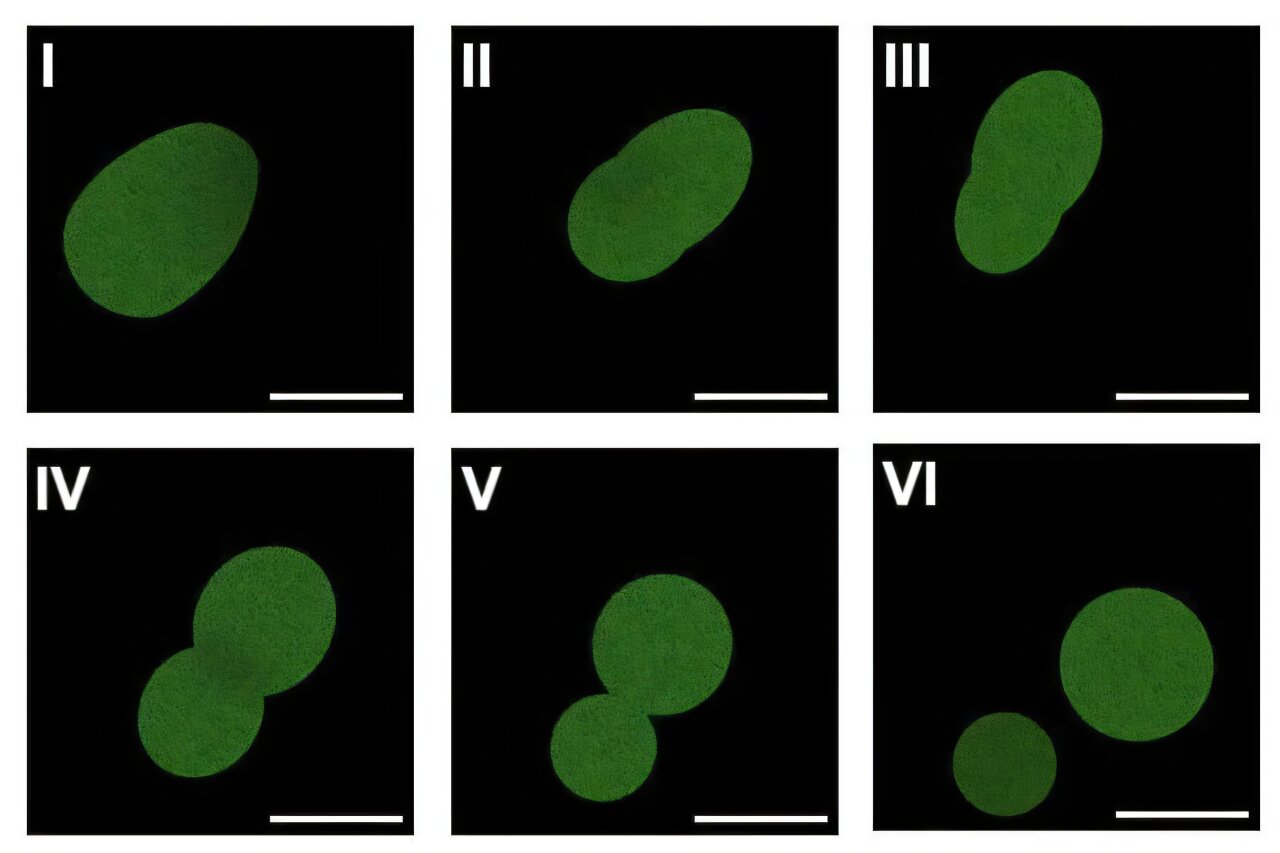
By that she means that scientists like Szostak limit themselves to the conditions of an old Earth; Adamala, on the other hand, can work to create a living cell using, essentially, any means necessary; she can print or clone strands of DNA, or design a protein with AI, for example. In creating the SpudCell, for instance, Adamala began with a mixture of the molecules a cell would need, already formed. She also took some chemical ingredients from a virus, and E. coli, and added the lipids that would form the cell’s membrane. She gave the cells specialized food that allowed them to grow, and used a protein that made the cell bend inward when its surface became crowded from feeding. That bend became a split, producing a new cell that could also eat and grow. When the research team created a mutant SpudCell that was a more efficient feeder, and mixed it with the original-flavored cell, it gobbled up more of the food than the predecessor and came to dominate the population, a compelled proto-evolution.
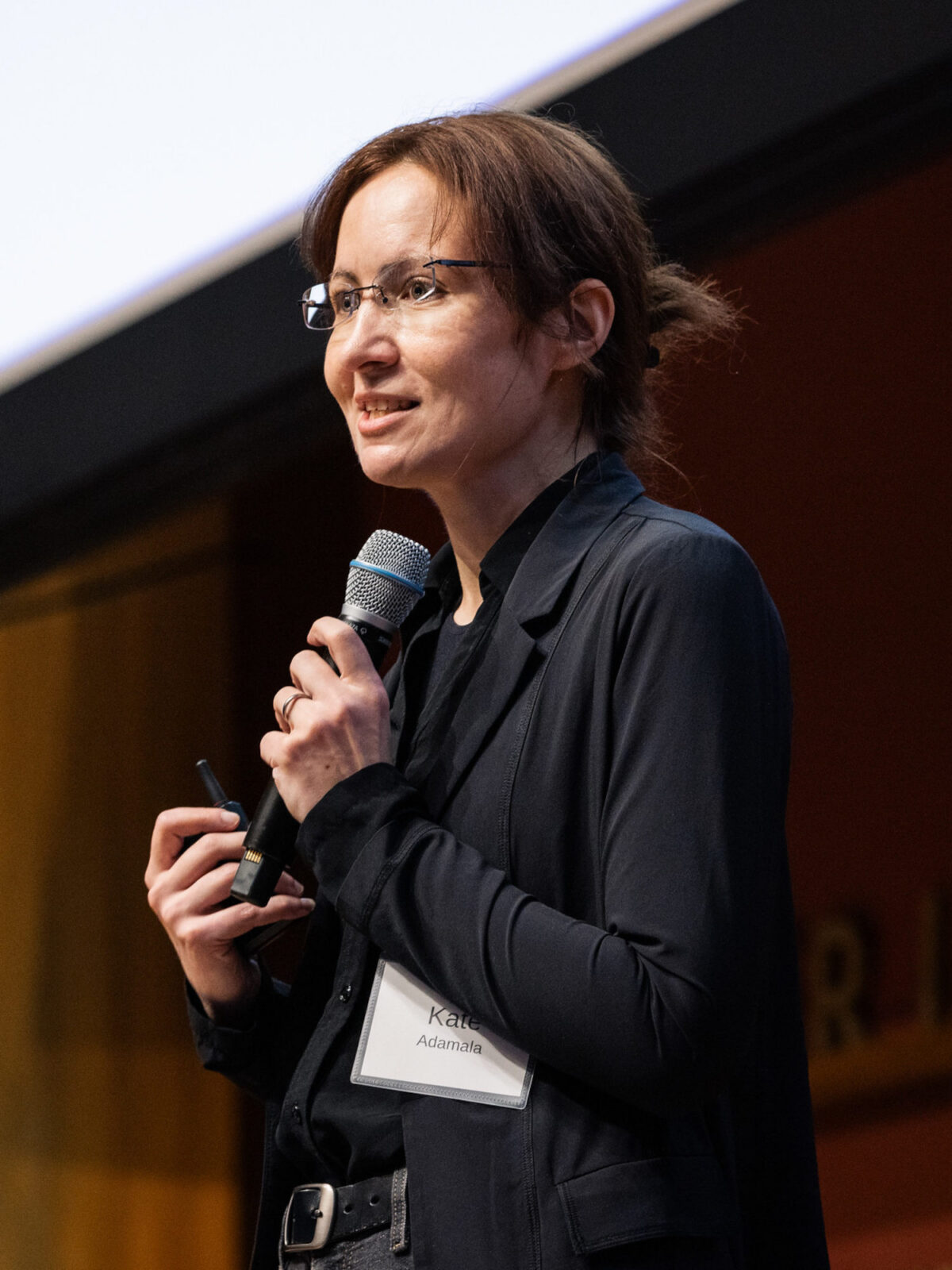
Synthetic biologist and Biotic co-founder Kate Adamala leads a team that has created a synthetic minimal cell capable of growing, dividing, and replicating its DNA.
Visual: Patrick Beaudouin/Hoover Institution
Adamala’s recent work embraces tools that allow her to construct cells from the ground up because her research’s scientific motivation is not to understand how the first life came to be, but how life fundamentally works and can be made to work for humans today. For instance, she imagines using synthetic organisms to produce petrochemicals that currently only come from oil, or to enable new cancer therapies. She and a collaborator have started a new nonprofit organization called Biotic, which intends to make the SpudCell an open-source system that others can license to do their own work.
SpudCell’s ingredients are all known. That’s true of any synthetic minimal cell, and such creations could tell us, Adamala said, which ingredients are strictly necessary for something to be alive — many of natural cells’ components may actually be extraneous to the basic “life or not” question.
Despite the differences in the two groups’ approaches, Sasselov sees a unity in their motivations. “We both want to understand at a fundamental level what life is,” he said. And to do so by building life. “But how we get there is different, and this is why we have so many astronomers and planetary scientists, geologists involved in this in our group,” he continued. “The other groups are mostly composed of biochemists, chemists, biologists.”
But the two camps meet and talk regularly, and discuss their progress. Sasselov thinks that once either group gets close to the ultimate goal, their similarities will increase. “We will essentially merge, because some of the techniques that they have discovered and developed will be useful to us, and many of the things that we have discovered will be useful to them,” he said. “And then we’ll build something which is the same, but with both of our efforts. So despite the fact that right now, we seem to be going on different trajectories, eventually it will be a big overlap.”
“We both want to understand at a fundamental level what life is.”
Scientists on Adamala’s side of the fence have succeeded in replicating some of life’s basic functions. Some synthetic biological creations can send and respond to signals in the environment. Some can communicate with each other. Others can make fats or protein building blocks; metabolize; replicate genetic material; and even introduce mutations that count as evolution. SpudCell can eat, grow, replicate, and do that rudimentary-but-not-quite-there version of evolution. But it can’t do all the things a normal biological cell can, like actually evolve, or make its own protein factories.
“The biggest thing that’s left to do, and it sounds simple, but it really is not, is to put all of it together,” said Adamala in the February interview. SpudCell is an attempt at that.
One key figure in this endeavor was J. Craig Venter, who led the effort to sequence the whole genome of an organism, back in the 1990s. Venter, who founded the J. Craig Venter Institute, passed away at the end of April at age 79. His goal in that early effort wasn’t just the sequencing: It was finding out what the genes did. In the 2000s, he and collaborators made synthetic genomes for a virus and a bacterium. For the latter, they used what they had discovered about genes’ functions. In 2010, they followed that up by putting a synthetic genome — designed in a computer and assembled from real DNA fragments — into a normal, living cell.
Six years later, his institute published the results on their synthesis of the first minimal synthetic bacterial cell, also by implanting synthetic material into a preexisting cell. But it replicated strangely, growing as a “giant blob,” in Venter’s words, with varying shapes, rather than staying small and similar as expected. By 2021, the group added 19 new genes, seven of which are linked to division; the cell split like normal.
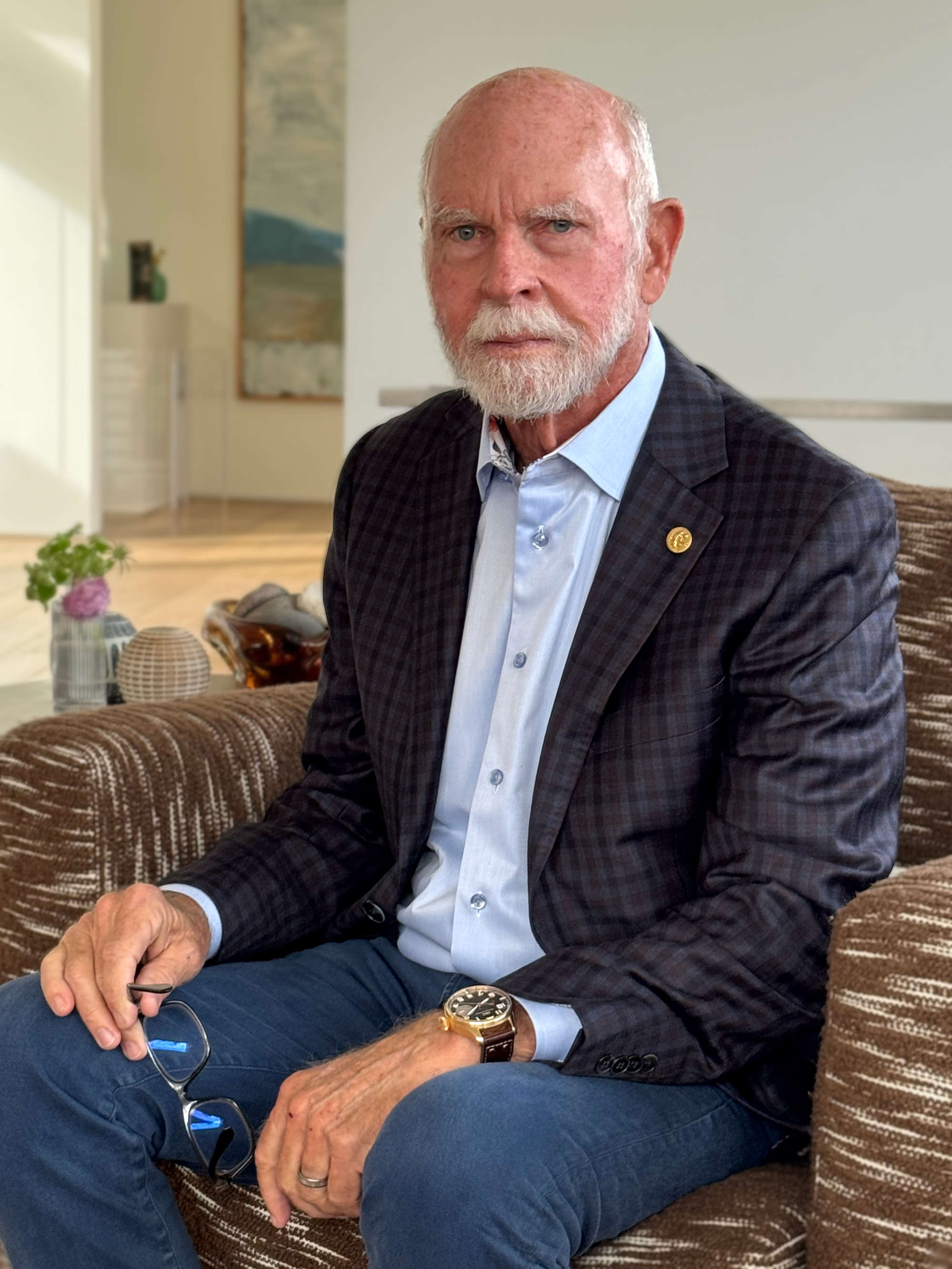
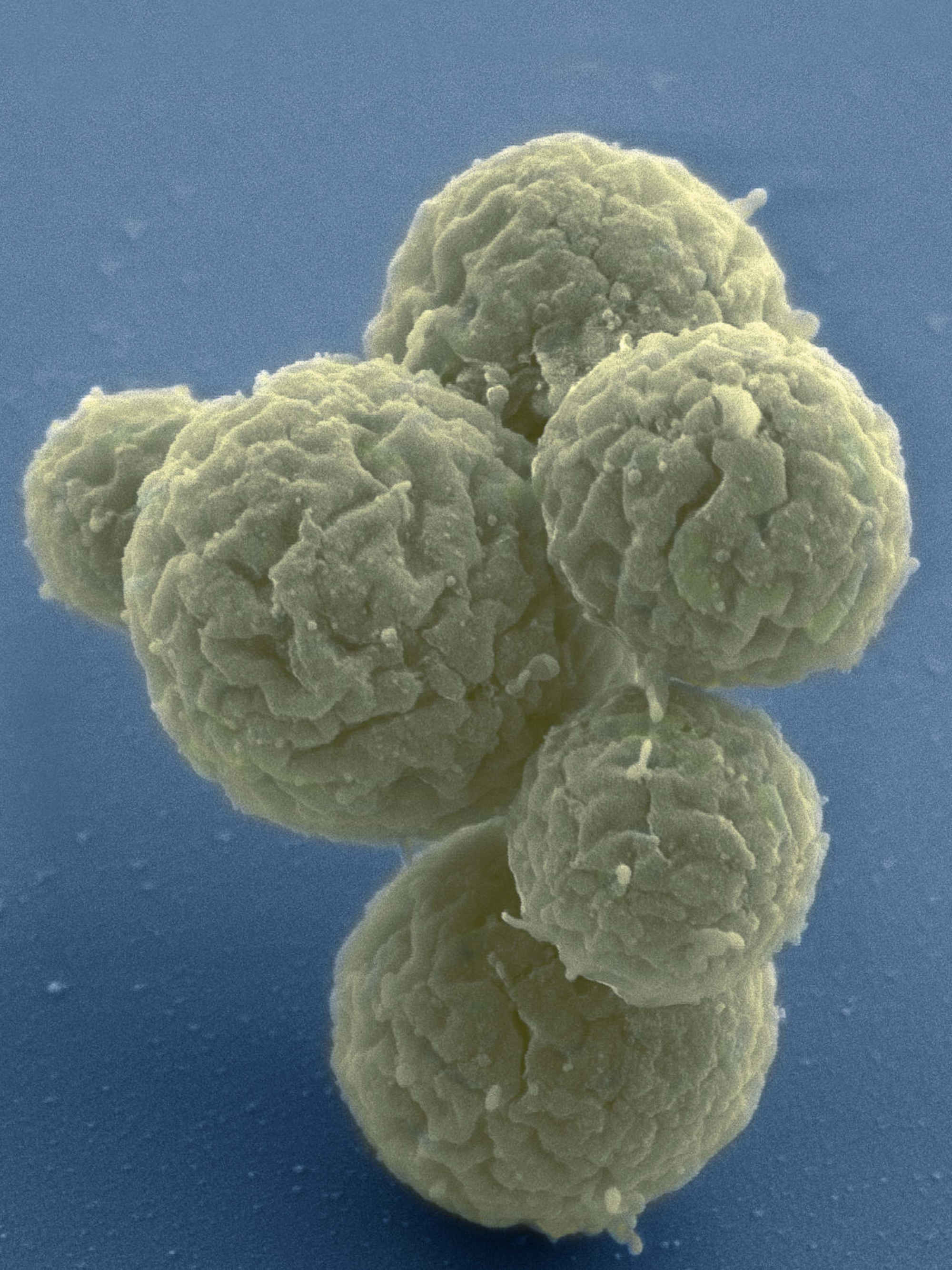
Shortly before his death, Venter said he didn’t know exactly what would come next. “I have my hope list, what we’d like it to be,” he said in March. For one, making a synthetic cell without having to wipe a living one and stick new DNA in it; creating it more from the ground up.
Once truly synthetic life exists, Venter said it could enable the kinds of things that brought Adamala to this side of the research, by giving a cell specific genetic instructions — making, say, drugs, chemicals, construction materials, and even food.
Together, fundamental researchers focused on the origin of life and synthetic biologists could show how life came to be, how its pieces and parts work together, and how making new life could change the world’s workings today as it did billions of years ago.
Not everybody fits neatly into those two boxes, though. Take Juan Pérez-Mercader, a senior research fellow at Harvard University. He’s approaching this central question of biology and experimental chemistry as a trained physicist. Before he tried to make some semblance of life in a lab, he worked on things like unifying the fundamental forces of the universe.
But Pérez-Mercader eventually tired of those particular equations and turned, instead, to the fundamental properties of living systems — handling information, self-reproducing, evolving, and metabolizing. Could they also be represented with equations? With the idea, he founded and directed Madrid’s Centro de Astrobiología, and then later took his work to Harvard.
He began by making equations to model the general properties of life that scientists agree on, and turned those into computer solutions. Out popped swimming, digital single-celled beings. “If I do this in a computer, I can do this with chemistry,” he said.
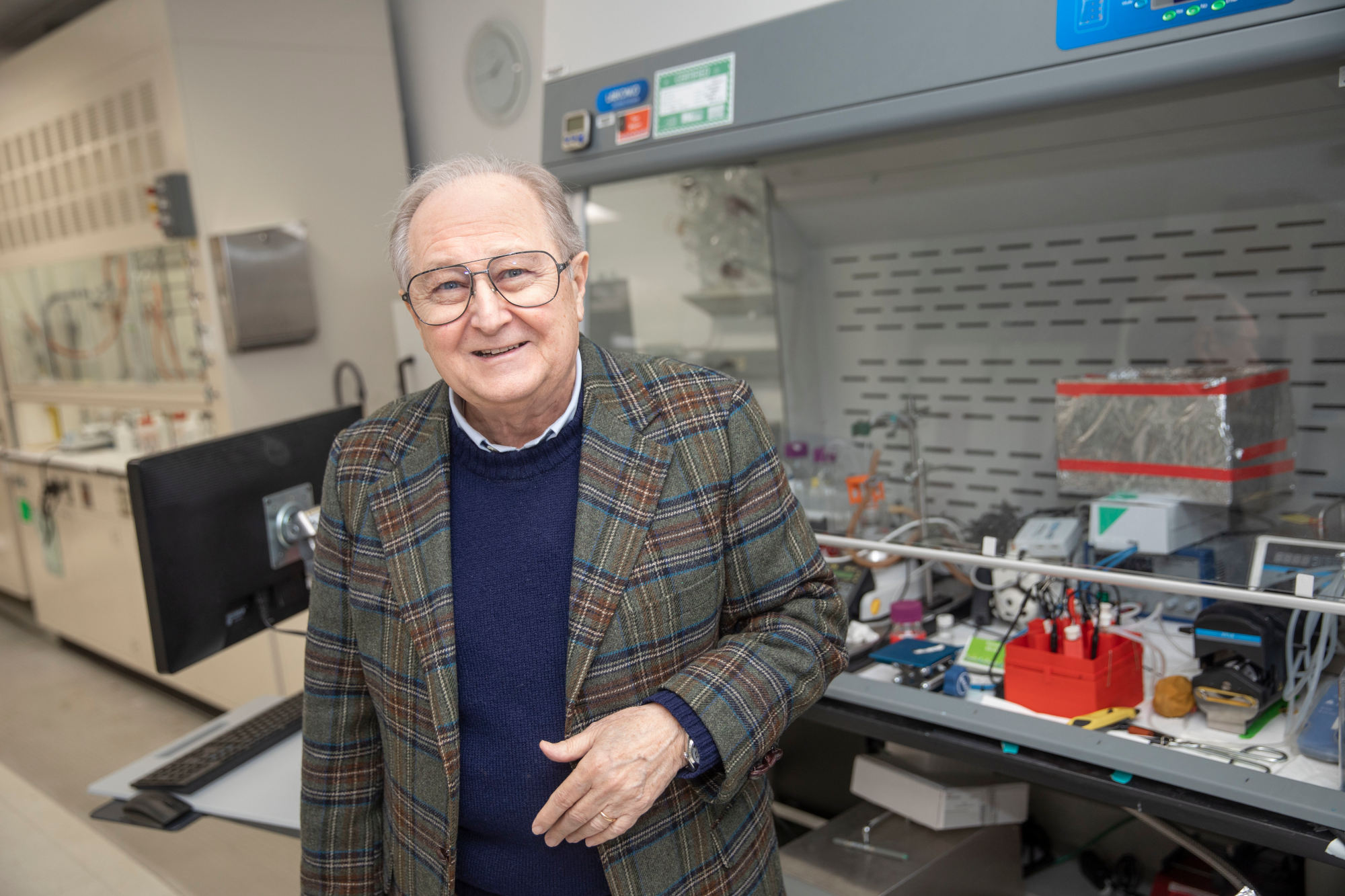
His chemistry started with a compartment — a kind of container for the cell’s parts, like Adamala and Szostak’s lipid bubbles. But Pérez-Mercader wanted to do things a little differently: He wanted to show that you could use his equations to make something that qualified as “alive” without being beholden to particular molecules that make up life as we know it — to show, in other words, that the properties we use to define life aren’t actually ingredient-specific. “In my lab, upstairs from this office, there is a sign that says, ‘No biochemistry, no biochemicals allowed,’” Pérez-Mercader said.
A breakthrough came when his team found out about a technique called polymerization-induced self-assembly, used in other fields. In short, they could put carbon-based molecules that are hydrophilic — meaning they like water — into H2O with carbon-based monomers and photo initiator molecules that convert energy from light into chemical energy; hydrophilic molecules, by virtue of how their electrons are arranged (unevenly), are attracted to water molecules, whose electrons are arranged similarly.
“In my lab, upstairs from this office, there is a sign that says, ‘No biochemistry, no biochemicals allowed.’”
Exposed to light, these molecules link to each other to form polymers. When they do, they gain a hydrophobic, or water-resistant, part that has evenly distributed electrons. Their water-loving ends then naturally turn to face the water, while the water-fearing ends fold themselves inward, away from the water. They thus form themselves into little spheres, called micelles. These micelles are filled with fluid and separated from the environment.
The molecules continue to link to each other, making the micelles thicker. The pressure inside grows, and eventually a portion of the structure breaks off, to form a new micelle, which then itself does the same — reproduction. The new micelles are not clones of each other, but slight variants — a primitive kind of evolution. And because they’re using light to sustain themselves, they perform a sort of metabolism.
The system, then, exhibits versions of the characteristics of life, integrated into one system, without ingredients like RNA, DNA, lipids, sugars, or proteins.
Pérez-Mercader’s micelles are not made with typical biochemistry, like DNA or RNA, so not everyone agrees they would qualify as alive. The journal Cell reportedly rejected the paper about SpudCell after one peer reviewer said it was not real biology. Adamala told Undark she doesn’t usually comment on the review process. Many, if not most papers, she wrote via email, go through more than one submission. “For people outside of science it sounds like a big deal, for us it’s Tuesday,” she wrote.
People who come from the origins of life side of the equation are sometimes criticized for assuming all life will be like familiar life on Earth, said Robert Dorit, a biologist at Smith College. But they’re also criticized if they consider less Earth-chemistry-specific options. “I think you can defend an argument that says our definition of life should also not be unnecessarily tethered to what we know here,” Dorit said. But, to him, “alive or not” is not ultimately the most interesting question. Any life made in a lab won’t be familiar life, which formed itself thanks to eons of evolutionary pressure. And trying to create weird life, not quite like a typical cell, can reveal things about life that formed naturally.
Pérez-Mercader, for one, says that his work is proving two things at once: that you can turn nonlife to life in the lab, and that what we think of as life doesn’t depend on a particular chemistry. And so, his thinking goes, it could have arisen on planets very different from ours.
Pérez-Mercader’s research, though, swings back around to a central point, as does Adamala’s: If scientists don’t have consensus on what life is, how will they know when they’ve created it?
The answer falls partly to Strychalski, of the Cellular Engineering Group at the National Institute of Standards and Technology. NIST’s governmental duty is to measure things. Sometimes that’s how long a meter is. Sometimes it’s how alive a fake cell is. It’s different from measuring the materials in nanotechnology, or devising metrics for cybersecurity. Instead, in this field, “we’re building with the stuff that we are also made of,” she said.
“It’s not going to get up and walk out of your Petri dish.”
Strychalski also does research in this scientific field, having worked with Venter’s institute on a recent project, for instance. And she recently attended a workshop that Adamala organizes, under a research network called Build-a-Cell, which since 2017 has been gathering researchers twice a year who are trying to make life in the lab. “That’s my favorite thing about this community, is that it actually is a community,” Adamala said.
One thing was clear at that Build-a-Cell workshop: “Some folks are getting really close to assembling living cells from nonliving material,” Strychalski said. But that pesky part about getting all the nonliving materials to work together on their own still dogs them.
Strychalski is still investigating what measurements are needed to troubleshoot cell-building and what measurements are needed to decide that ultimate question: Does it live? “It’s not going to get up and walk out of your Petri dish,” said Strychalski.
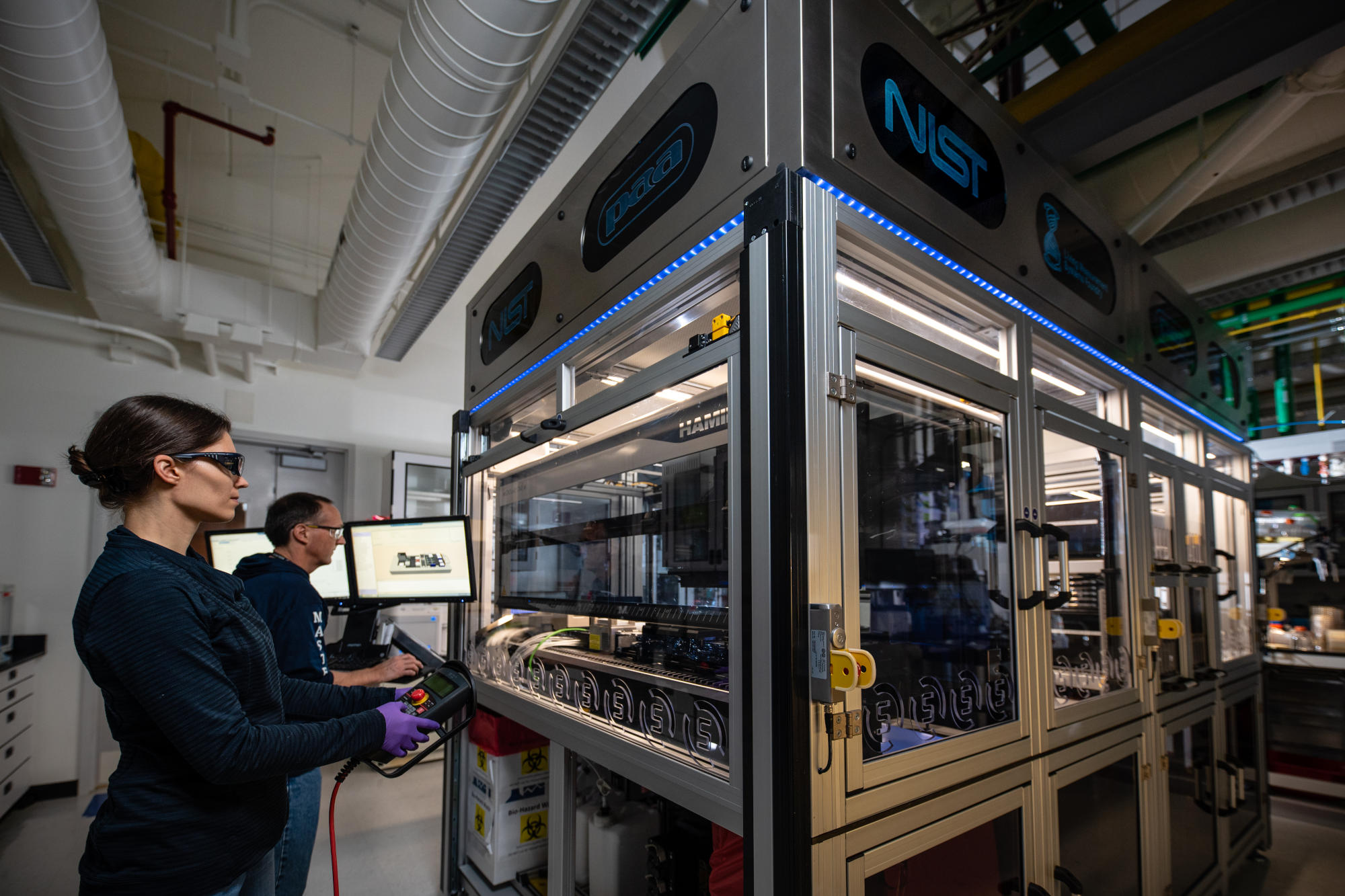
The answer to the question is important to determine not only who will be the first to create true life in the lab, and what is needed to do so, but also for safety. As SpudCell develops, Adamala plans to actively pursue biosafety measures, she wrote in a follow-up email. “Once it becomes more robust and able to grow and divide faster and more efficiently, we’ll need safeguards,” she wrote, which are designed to stop the cell from replicating outside of a controlled environment.
“If someone does make something that’s alive, or alive in a new way, in the laboratory, I want to make sure that they realize that’s happened,” Strychalski said, “so they can bleach the bench.”
Strychalski isn’t alone in being mindful of synthetic biology’s risks: Adamala, Szostak, Venter, and dozens of others penned a 2024 Science paper, about the potential for creating something called “mirror life.” On Earth, all known biological molecules of a given type face a single direction: All genetic material is “right-handed,” for instance. The amino acids making up proteins face the other way and are “left-handed.” But some scientists have begun work on left-handed DNA, or right-handed proteins. Maybe someday — at least a decade from now, the authors estimate — there could be whole mirror cells.
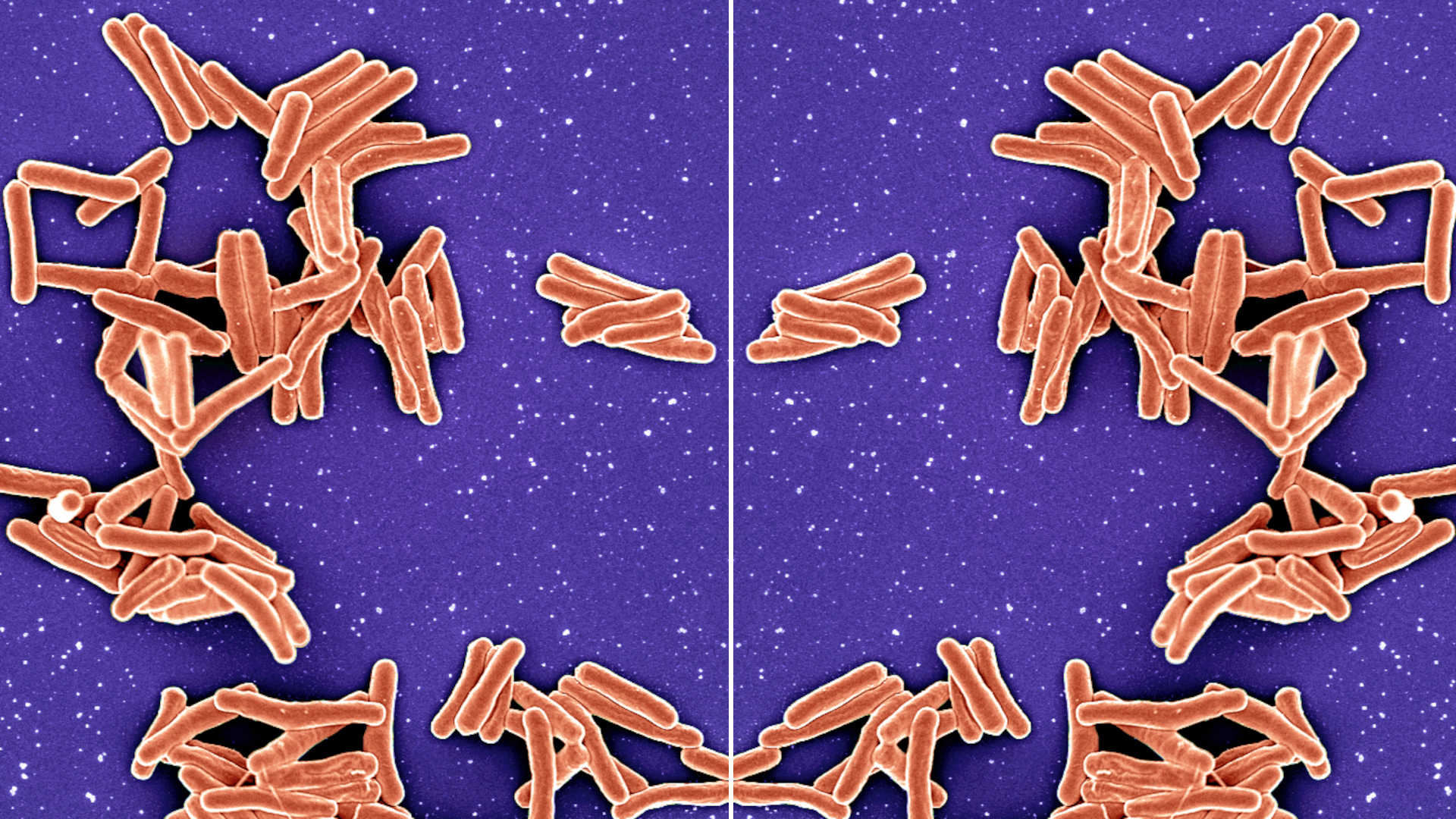
Life and lifelike elements like this, though, could pose huge dangers, according to the authors. They might be pathogens against which we have no defenses, or they could act like invasive species. The field is working to get ahead of those possibilities. “We’re seeing basically a global push for the moratorium,” said Adamala, discussing a kind of synthetic cell deemed particularly dangerous. While there aren’t yet amendments to international conventions, the wheels of bureaucracy are turning. The UNESCO International Bioethics Committee, for instance, recommended a moratorium on creating mirror life, and a group convened by the U.K. Government Office for Science recommended potential regulation against the development of mirror genomes that can self-replicate. The U.N. Secretary-General’s Scientific Advisory Board suggested defining “red lines” in mirror-life research policy.
Strychalski points to this as an example of where getting ahead isn’t just good — it may be necessary. “There might not be a second chance,” she said. And she thinks more monitoring could be good for synthetic biology research in general. “Right now, there’s like no requirement for monitoring your laboratory or office space for accidental release of engineered biological anything,” she said.
“If someone does make something that’s alive, or alive in a new way, in the laboratory, I want to make sure that they realize that’s happened,” she said, “so they can bleach the bench.”
She grew up in science thinking about such potential bad outcomes, since she, like Pérez-Mercader, came from physics. Physicists tend to keep their field’s Manhattan Project roots and potential for dual-use technology — technology that is useful for both benign civilian and potentially malign military purposes — in mind, she said, remembering how quantum mechanics was weaponized into an atomic bomb by the very people who were in the process of discovering it.
Just because you can do something doesn’t mean you should, Strychalski notes. “I’m telling my toddler this constantly,” she said, “but I think it holds in the laboratory as well.”