









From the Editor: Mind Games
IT RISKS PROFOUND understatement to suggest that artificial intelligence, whatever that phrase might mean, is everywhere.

It has acquired the aspect of kudzu vine, with fibrous, braided tentacles now well established in nearly every corner of the culture — classrooms, newsrooms, laboratories, legislatures — and meaningful extraction from its grip growing more unlikely by the day. That kudzu was intentionally introduced, later regretted, and finally accepted, grudgingly, as an immovable fixture of the American landscape only seems to enhance the metaphor. And like kudzu, AI can be useful — if it can be controlled.
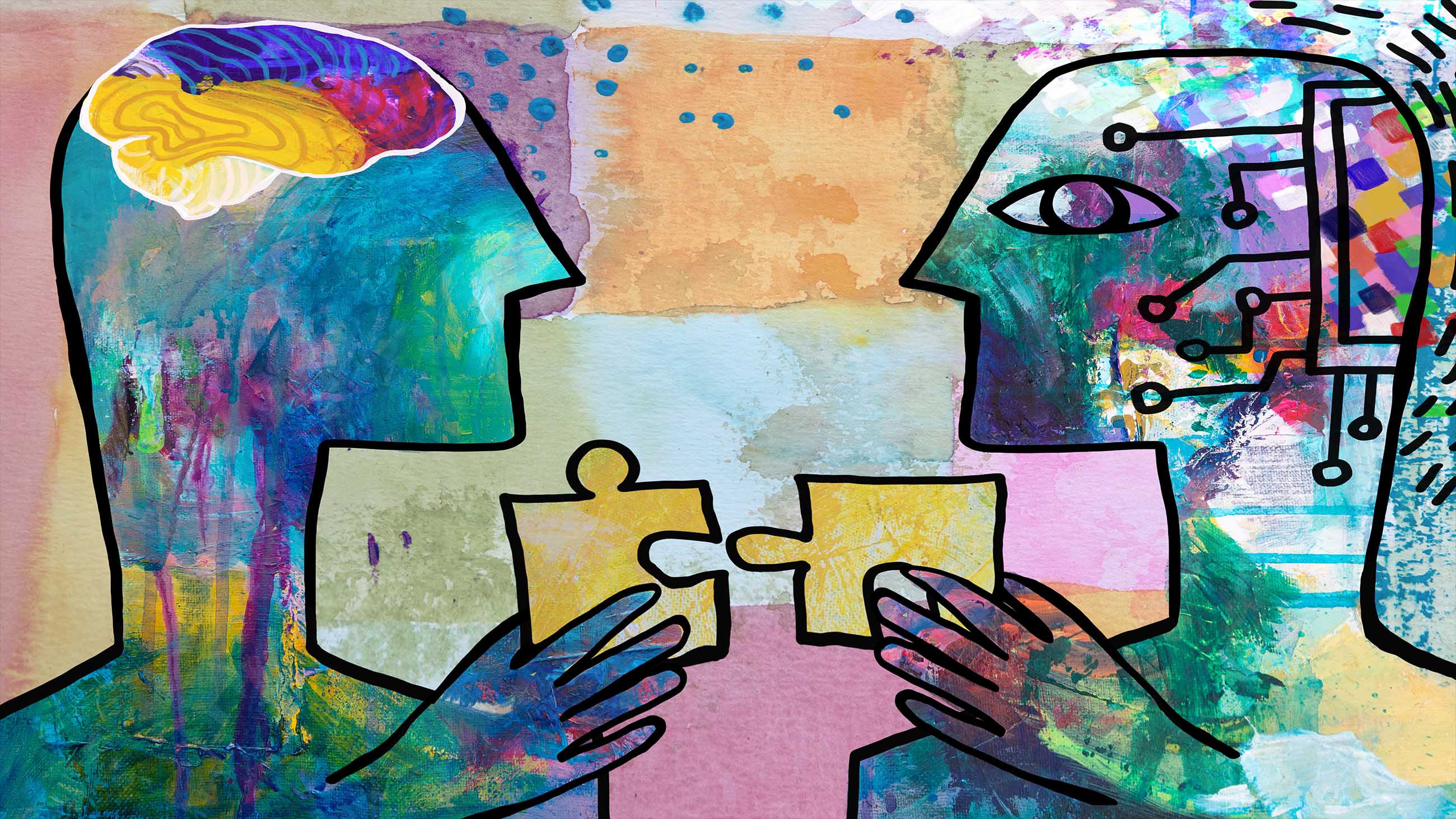
But while large language models and machine learning continue to command public and, to a lesser degree, regulatory attention, the team at Undark couldn’t help but notice that scientists are quietly making inexorable, deep, and varied strides toward other forms of engineered life and manufactured cognition. Reaching well beyond silicon-based AI, these are domains where lab-grown brain organoids show the capacity to learn, and where companies are angling to tweak human intellect at the embryo stage. In many cases, the precise boundary between utility and catastrophe, or between the wondrous and the grotesque, is a matter of unresolved debate.
From increasingly complex chimeric species to the synthesizing of life itself, we dubbed our series “Brain Trust: The Age of Artificial Intelligence(s).”
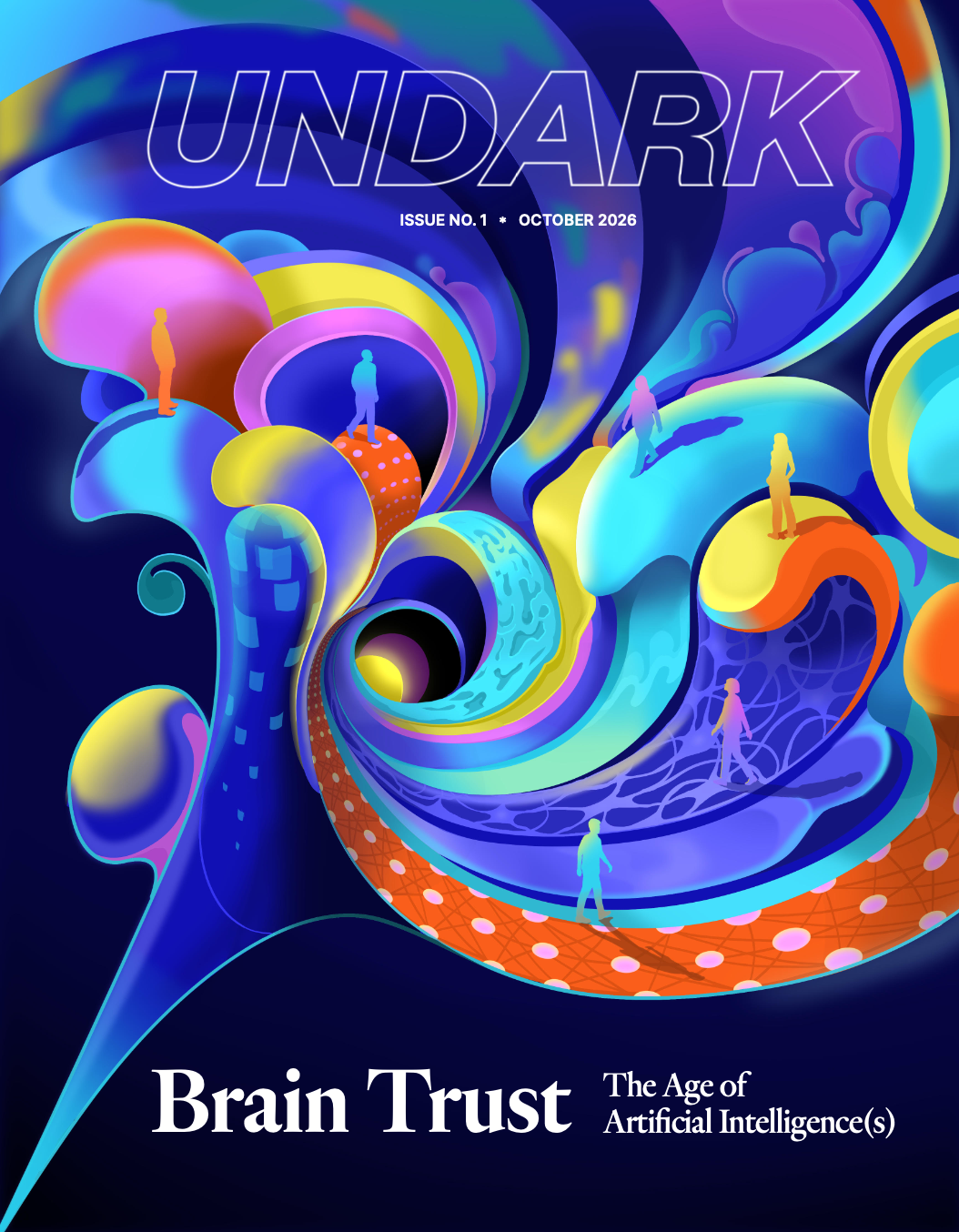
We’re exploring the feasibility of a print version of Undark. If you have thoughts on that, send an email to [email protected].
And speaking of synthesis: We’re proud to note that the “Brain Trust” series also marks Undark’s own tentative experiment with print. At the moment, this is a boutique, limited-edition exercise intended as a fundraising vehicle and promotional handout at our headquarters in Cambridge, Massachusetts. But we’ll also be conducting some surveys and related market analysis over coming weeks to determine the feasibility of — and appetite for — a more widely distributed print magazine. If you’d like to be notified as we explore this possibility, please be sure so sign up for our newsletter. Or you can email your thoughts to me directly at [email protected].
In the meantime, you can rest assured that the entirety of our work — including the full collection of stories that make up the “Brain Trust” series — will continue to be published on our website, undark.org. The internet, like kudzu and AI, is not going away.
We’re delighted to say that Undark is here to stay, too. Thanks for reading.
Read more from “Brain Trust: The Age of Artificial Intelligence(s)” at undark.org/brain-trust