








Advocacy Groups Express Mixed Views on Embryo Editing


As Edward Donnell Ivy remembers it, many of the sickle cell episodes he endured in his 20s were akin to headaches or colds: They hurt, but he could still get up and go.
Every so often, though, he would be gripped by pain that left him unable to function. “I can’t go out the house. I can’t leave the bed,” he recalled. Then a college student, he would often wind up in the emergency room and miss weeks of classes at a time. The disease was taking a toll.
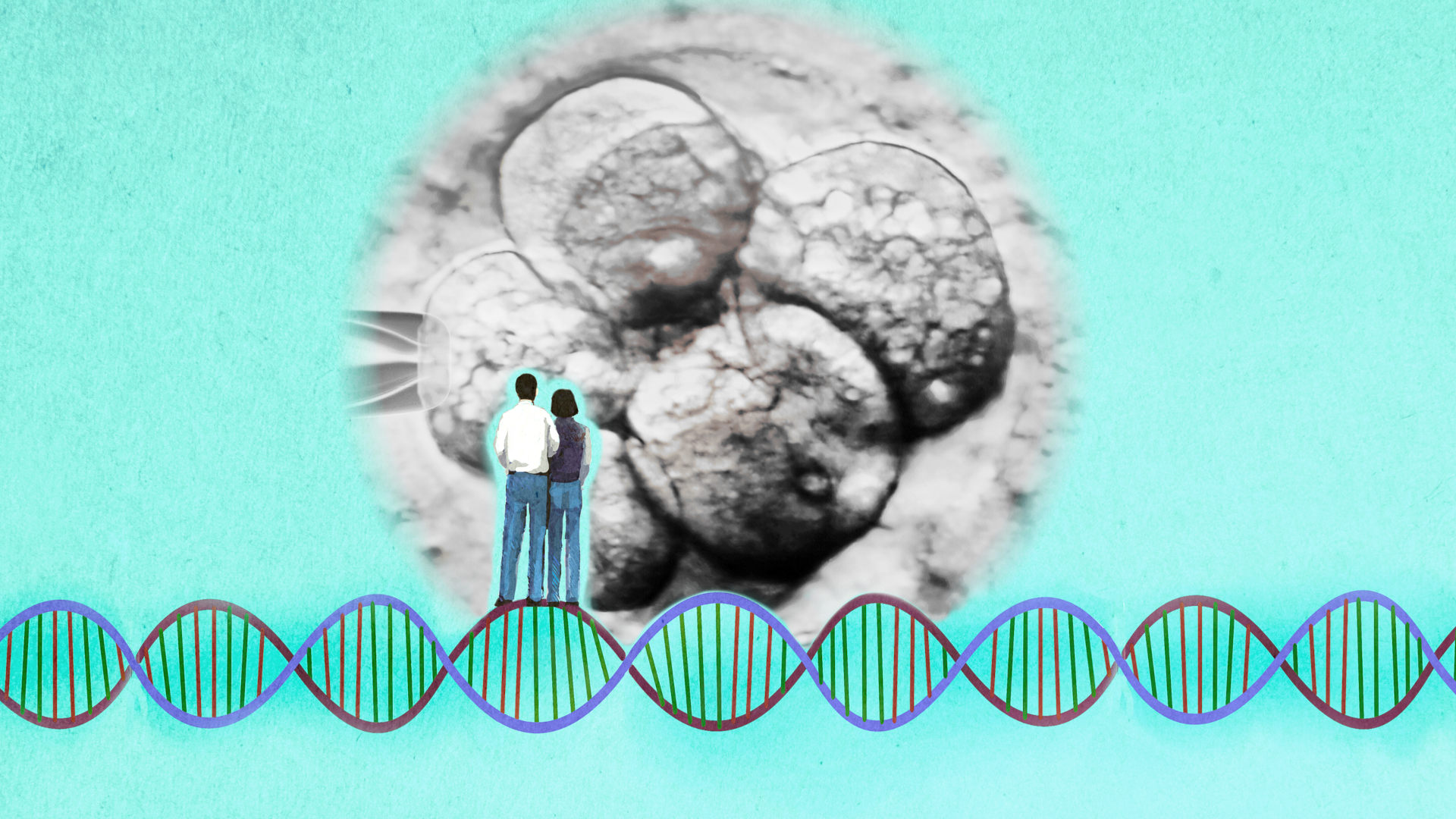
After years of struggling with his symptoms, Ivy found a medication that helped him manage the condition, and the worst episodes faded. He finished college and went on to complete medical school and earn a master’s degree in public health. He landed a job with the National Institutes of Health, where he helped the National Heart, Lung, and Blood Institute develop guidelines for sickle cell treatment.
Eventually, he contemplated having children of his own, which put him in a quandary: Would his kids inherit the condition that had caused him so much pain?
It is a common concern among the millions of Americans who live with genetic disorders, and one that places them at the center of an intensifying debate about whether scientists should edit the DNA of human embryos. Proponents have argued that embryo editing could fill a void for aspiring parents at risk of passing on severe genetic disorders, but critics warn that the technology could usher in an unpredictable new era of human experimentation. Tools for editing DNA are imperfect, as is researchers’ understanding of the roles genes play in shaping human traits; many scientists and ethicists worry that attempts at embryo editing could have unintended consequences that impact humanity for generations to come.
According to Ivy, who is now chief medical officer of the Sickle Cell Disease Association of America, there is more than just science to consider. “I look at my religious background, I look at certain elements of myself,” he said, “and I say, OK, is the risk worth the benefit or the reward?” As someone who has benefited from effective treatments, lived a good life, become a doctor, and worked to tame the disease, he said, he can’t say that it is.
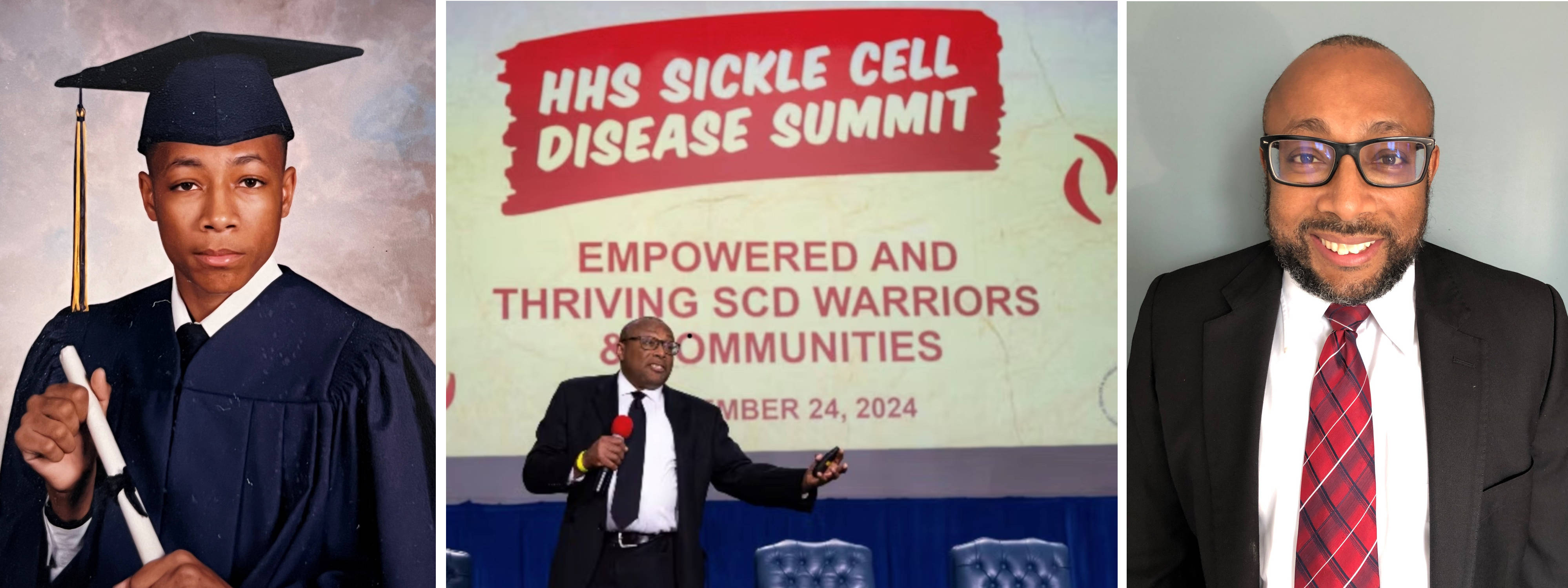
But at least two new startup biotechnology companies, Preventive and Origin Genomics, are betting that others in Ivy’s position will see things differently. The companies have signaled they want to develop strategies that combine gene editing with in vitro fertilization, or IVF, to correct disease-causing mutations in human embryos before they are implanted to begin pregnancies. (Lucas Harrington, co-founder of Preventive, declined to be interviewed for this story; Origin Genomics did not respond to multiple emailed interview requests.)
The controversial commercial push builds on research that, in the U.S., had largely been confined to just a few academic labs. Although the technology is still immature — and effectively banned in the U.S. — proponents are looking to unwind federal restrictions, while suggesting it could be used to address thousands of disorders including sickle cell disease, Duchenne muscular dystrophy, Huntington’s disease, and cystic fibrosis. Meanwhile, preliminary results shared by Columbia University researchers this month suggest that techniques to edit DNA in embryos are gaining precision.
Advocacy groups for people living with these genetic disorders have, for the most part, been quiet on the embryo editing developments. To gauge their views on the technology, Undark reached out to several organizations, including the Sickle Cell Disease Association of America, the National Organization for Rare Disorders, the Huntington’s Disease Society of America, and Parent Project Muscular Dystrophy.
“I think that the focus has really been on treating patients.”
The groups harbored views ranging from skepticism and concern to enthusiasm that embryo editing could one day spare families from the devastation of debilitating, untreatable illness. But to the extent that some groups see promise in the technology, it has not yet translated into material support. Groups that were asked about their support for embryo editing said they had not funded research in the area or coordinated with the startups looking to take the technology mainstream.
Embryo editing “has not been considered a priority or a big area of conversation,” said Tracey Sikora, vice president of research and clinical programs at the National Organization for Rare Disorders. In explaining their cautious stance toward the technology, the groups cited ethical concerns, noted that most aspiring parents already have options they can choose to avoid passing down genetic disorders, and pointed to what some see as a more urgent need to alleviate suffering in people already living with serious disease.
Said Sikora, “I think that the focus has really been on treating patients.”
Gene editing is not new, but when it comes to treating disease, it has mostly been used to correct harmful genetic mutations after birth. In 2023, Casgevy, which targets mutations that cause sickle cell disease, became the first therapy based on the gene-editing tool Crispr-Cas9 to be approved by the Food and Drug Administration.
Because Casgevy and other existing gene-editing therapies specifically target cells that are not involved in reproduction, known as somatic cells, the edits they make are unlikely to be passed on to future generations. Embryo editing advocates have argued it could be cheaper, and more effective, to incorporate gene editing into the IVF process and edit away harmful genetic mutations even before pregnancy begins.
Such edits would potentially ripple through time: An edit made in the earliest stages of an embryo’s development would in theory be copied to every cell that comes after — including the future child’s sperm or eggs, known as germline cells. Correcting a harmful mutation in an early-stage embryo could therefore correct it not just for that child but for every generation of children that might follow.
The groups harbored views ranging from skepticism and concern to enthusiasm that embryo editing could one day spare families from the devastation of debilitating, untreatable illness.
But technical experts at patient advocacy groups point out that this can already be achieved, to a large extent, through an existing IVF strategy known as preimplantation genetic testing. That is, parents who undergo IVF and are at high risk for passing on a serious genetic disorder can genetically screen their embryos before choosing one to implant for a pregnancy, to ensure the one they select is free of the most worrisome genetic mutations. “You wonder, to some extent, how great is the need” for embryo editing, said Edward Neilan, the chief medical and scientific officer at the National Organization for Rare Disorders, which annually gives out millions of dollars in grants to support research, but to Neilan’s knowledge has never funded research on human embryo editing.
A 2019 analysis in The Crispr Journal suggested that, in the U.S., there are likely fewer than a dozen births per year for which preimplantation genetic testing would not be a viable option to prevent the inheritance of a serious genetic disorder. These would almost always involve cases where both prospective parents have the disease, such that every embryo they produce is certain to inherit it as well.
Neilan, a medical geneticist who counsels patients on reproductive options, wrote in an email that in 20 years of explaining to couples the available choices — including reproducing naturally and letting things take their course, adopting, using a sperm donor, diagnosing a child in the womb and aborting if there is a serious disease, and IVF with preimplantation genetic testing — “no family that I recall said those options aren’t good enough” or asked what else modern medicine could do for them.
Support Undark Magazine
Undark is a non-profit, editorially independent magazine covering the complicated and often fractious intersection of science and society. If you would like to help support our journalism, please consider making a donation. All proceeds go directly to Undark’s editorial fund.
Still, many experts expect that individual circumstances might lead some aspiring parents to opt for embryo editing even when other options are available. For some couples, especially those of advanced age, it might take several costly and physically painful rounds of IVF to produce a genetically healthy embryo through preimplantation testing. Embryo editing could conceivably give those parents a more viable path to the healthy baby they want.
In a 2025 paper that has not yet been formally vetted by experts, a team including Origin Genomics founder Cathy Tie projected that if high-risk couples in the U.S. used IVF at roughly the same 2.6 percent rate as the general population, and if all of those couples opted for embryo editing, more than 100 embryos could be corrected annually for mutations causing sickle cell disease, cystic fibrosis, Huntington’s disease, and Marfan syndrome. In a world where every high-risk parent had the access, resources, and desire to use IVF, the number could surpass 2,500 embryos, the team predicted. (At the time, Tie was CEO of the short-lived embryo editing company Manhattan Genomics.)
The authors of the Crispr Journal analysis were more conservative. Even after factoring in that preimplantation genetic testing might be too difficult a path for some high-risk couples, due to factors such as advanced age and the costs of doing multiple rounds of IVF, they projected there are still fewer than 100 births annually in the U.S. that would justify embryo editing, across 19 of the most common genetic disorders.
“You wonder, to some extent, how great is the need” for embryo editing.
Experts caution that deploying embryo editing in these cases, where some but not all of a couple’s embryos are likely to carry a harmful genetic mutation, would be technically and ethically complex. It would likely involve treating all of a couples’ embryos with gene editors — whether they need it or not — and trusting that the editing machinery will successfully rewrite DNA in the embryos that have harmful mutations but not in the ones that don’t.
Pat Furlong, founder of Parent Project Muscular Dystrophy, is hopeful that scientists can solve that puzzle. Furlong, a trained nurse, saw both of her sons succumb to Duchenne muscular dystrophy, which is caused by a mutation in the gene for a protein that helps strengthen muscles and protect them from injury. Furlong noticed that when other kids would come over and jump around, her boys — Chris and Patrick, two years apart in age — would sit and color, unable to move very well. As they grew, she recalls, things got worse. At 8 years old, they couldn’t walk, and at 11, they couldn’t lift hand to mouth. Neither lived to see their 18th birthday.
Furlong is a Duchenne carrier — meaning just one of her two copies of the gene linked to Duchenne has the disease-causing mutation. That gave each of her sons about a 50-50 chance of inheriting the disease, even though Furlong herself was healthy. Had she known her carrier status back then, she said, she would have explored every option, including embryo editing if that had been available.
“Watching Duchenne take the lives of my sons was, and still remains, one of the most devastating illnesses that I’ve ever seen in all of my career,” she said. If she were in the position to use embryo editing to ensure a healthy child, she said, “I would do it in a heartbeat.”
Furlong’s optimism has been echoed in other corners of the patient advocacy world. In 2015, Sharon Terry, CEO of the nonprofit Genetic Alliance, informally polled patient advocacy groups about their feelings toward gene editing, ahead of her talk at the International Summit on Human Gene Editing. The responses she received ran the gamut — from people who absolutely wanted editing technology as fast as possible, to groups that thought medicine was already doing too much intervention for conditions that perhaps should not be considered diseases at all. “Advocacy organizations are as heterogeneous as the diseases that they represent,” she said from the summit stage, 11 years ago.
But even at Parent Project Muscular Dystrophy, Furlong’s openness to the idea of embryo editing has yet to translate into material support for embryo editing research, or for regulatory changes that proponents say will be essential for that research to flourish.
The 32-year-old organization has invested more than $55 million into Duchenne research and therapy development, according to its website. And Furlong spoke proudly of her group’s efforts to lobby for increased federal funding for muscular dystrophy research — efforts she says have brought about $1 billion of funding into the field since 2001.

Still, Furlong told Undark that Parent Project Muscular Dystrophy does not currently fund research in embryo editing, though she did not rule it out as a future possibility. “Our priorities are for people living today,” she explained. “To try to accelerate research and therapy development for this generation.”
Furlong also feels conflicted about proposals to loosen restrictions on federal funding of research with human embryos — a change some embryo editing proponents say is necessary to advance the technology.
“I have to say that question paralyzes me,” Furlong said. “I come from a very German Catholic family who says an embryo is always going to be a baby,” she said, before countering that she can also understand that there are many embryos that will never become a baby.
“I think that we all bring our cultural and religious beliefs to the table,” she said. “And I think we could sort through those as human beings to advance science.”
Like Parent Project Muscular Dystrophy and the National Organization for Rare Disorders, the Huntington’s Disease Society of America does not fund embryo editing research, according to the society’s associate director of research and patient engagement, Tamara Maiuri, although she told Undark the group has supported a gene therapy research project involving somatic cells. In an email, the director of research at the National Tay-Sachs & Allied Diseases Association, Valerie Greger, said that “while we keep an eye on future developments and are aware of discussions around germline editing, this is not part of our current efforts.” Last year, MIT Technology Review reported on a post by Chinese researcher He Jiankui asserting his application for funding from the Muscular Dystrophy Association had been denied. (He previously served a prison sentence in China for illegally editing human embryos that resulted in the births of two genetically engineered babies, and he has recently expressed ambitions to launch an embryo editing company.)
Prominent embryo editing studies in the U.S. have instead been supported by foundations with broader scientific interests, such as the Burroughs Wellcome Fund, the Russell Berrie Foundation Program in Cellular Therapies of Diabetes, and the New York Stem Cell Foundation, according to researcher disclosures. Last November, The Wall Street Journal reported that the embryo editing startup Preventive — which, as of then, had raised $30 million — was being backed by OpenAI chief executive Sam Altman, his husband, and Coinbase CEO Brian Armstrong. In an X post last year, Armstrong predicted that IVF clinics of the future would deploy embryo editing as part of a suite of reproductive technologies he called the Gattaca stack, which he said would help address the declining birthrate and accelerate human evolution. (Some studies have shown that declining birthrates have more to do with declining teen pregnancies and economic pressures than with difficulties reproducing.)
“You gotta bring in the medical ethicists. You gotta bring in the the philosophers. You gotta bring in the religious scholars.”
For Ivy, the Sickle Cell Disease Association of America medical chief, there are worries of a slippery slope.
He speculated that diseases like sickle cell may be an excuse to do embryo editing today, only to turn the tools toward intelligence or height tomorrow. “Where does it end?” he said. The genetic technology company Bootstrap Bio, which was reported to have embryo editing ambitions, signaled an interest in height and intelligence before it shut down late last year.
Ivy emailed a statement on behalf of the Sickle Cell Disease Association of America that said the organization was excited about somatic cell gene therapies, like Casgevy, and that it will continue to advocate for access to those therapies. But the association, the statement continued, “understands that germline gene therapy is not permitted in the USA,” and that there “are also ethical considerations to understand when discussing germline gene editing,” such as the uncertain long-term effects of unintentional editing mistakes. Experts have warned that unintended edits to germline cells, because they would be passed on to future generations, could alter the human gene pool in ways that would be difficult to reverse.
Ivy feels that society can’t rely on biotechnology experts alone to manage an innovation like embryo editing. “You gotta bring in the medical ethicists. You gotta bring in the the philosophers. You gotta bring in the religious scholars,” he said. “As a doctor, I do want to see medicine progress, but I think we need others to step in to say, hey, we need guardrails on this though, as we do it.”
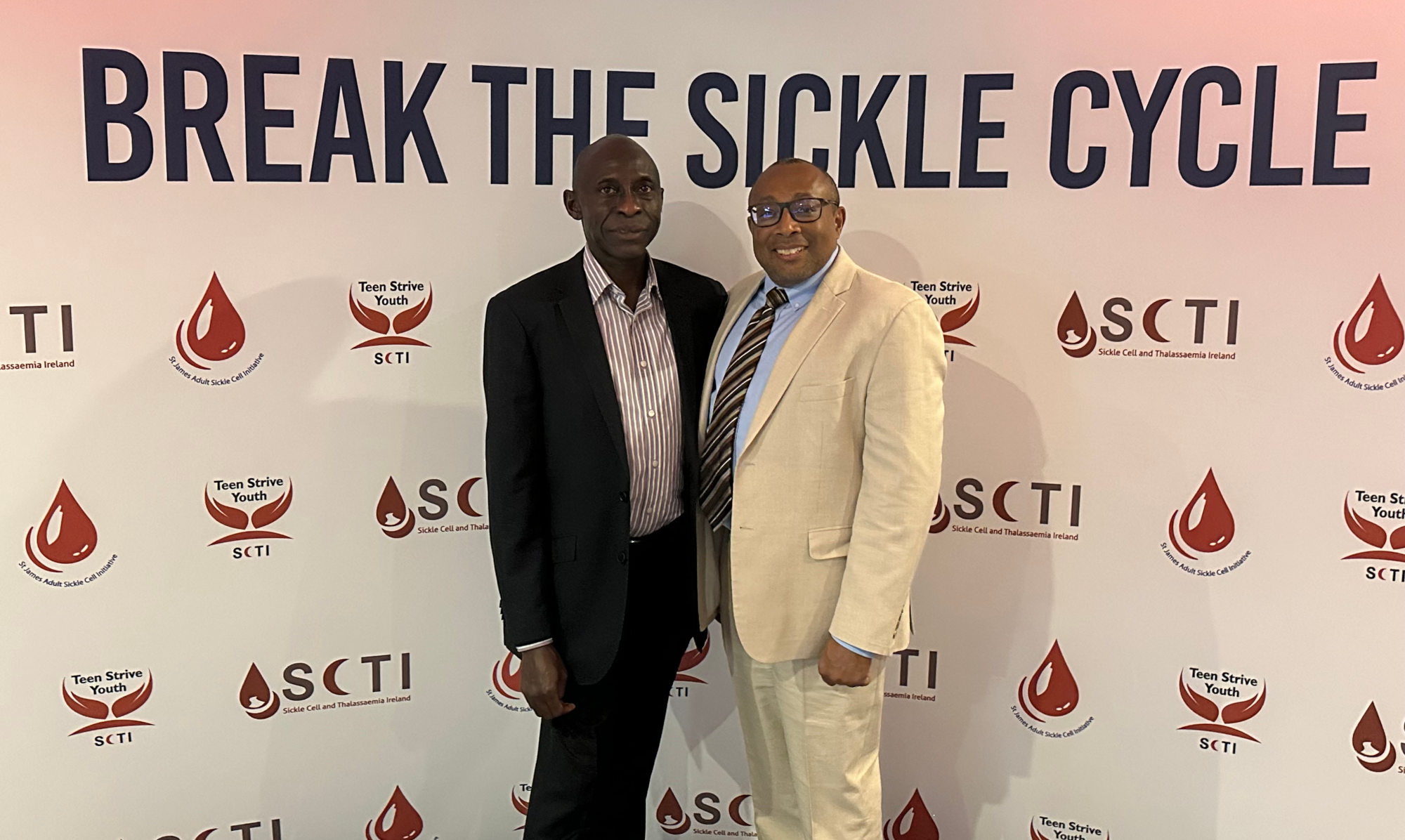
Ivy, now 54, said he’s no longer considering having children. But momentarily, he stepped into his younger self’s shoes and imagined the choices he would confront.
He’s aware that there are strategies other than embryo editing that people like him can use, such as preimplantation genetic testing. He’s also seen couples decide to forgo having children altogether. He said that not too many of the couples he encounters look into IVF because of the expense — a barrier that would put both preimplantation genetic testing and embryo editing out of reach.
But Ivy also weighed another option that can be easy to overlook — one that speaks to the leaps and bounds medicine has made treating certain genetic disorders in the living: “I considered, Hey, would I have a child that could have sickle cell disease?”
When he looks back at his life, he said, he’s happy his mother made the decision to have him, and he feels he’s led a life that has been productive and worth living. He knows that sickle cell can be treated. “So, would I have a child with sickle cell disease? Personally, yes, I would.”