









In Chad’s Prehistoric Wall Drawings, Lessons in Climate Upheaval
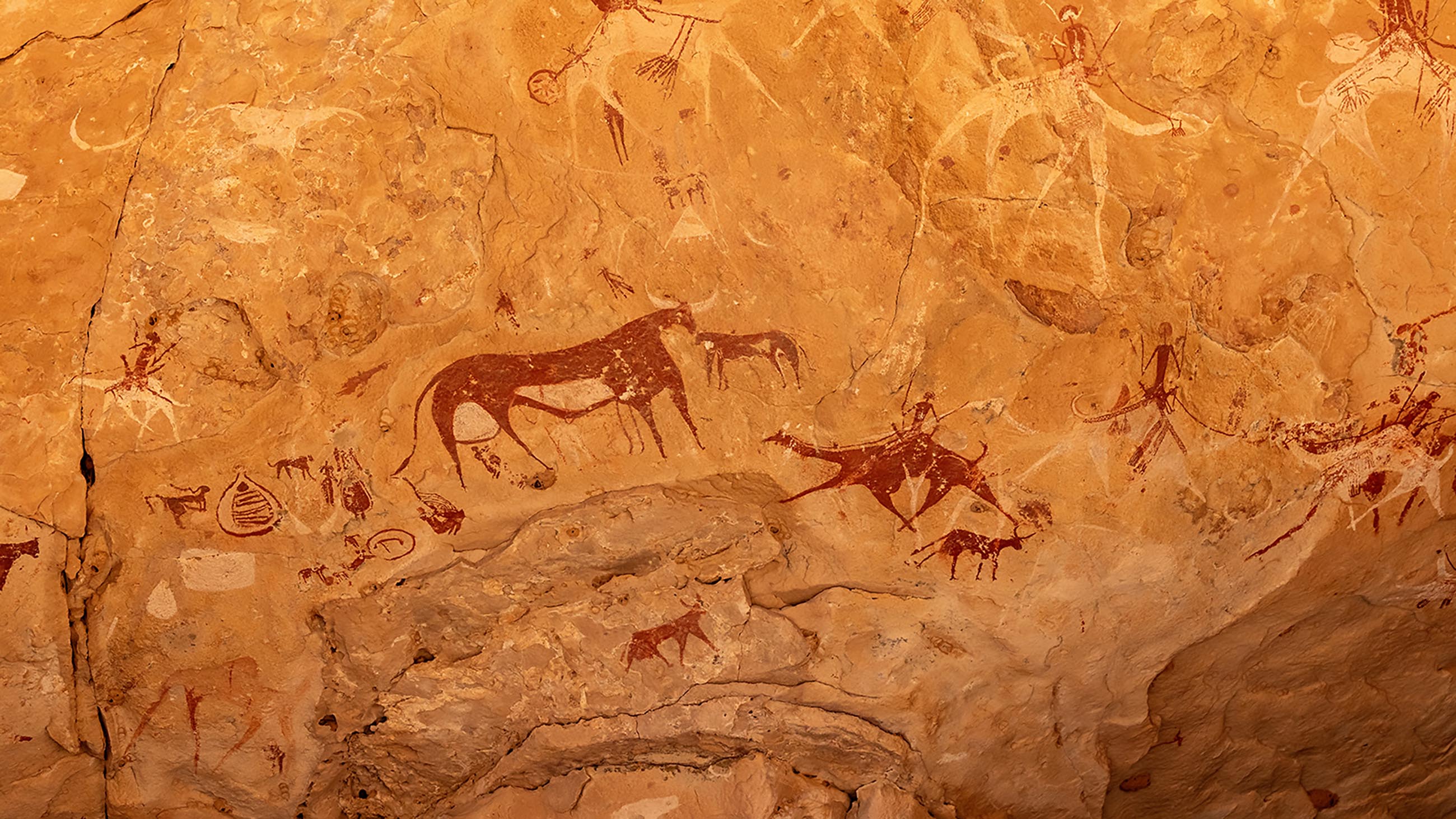
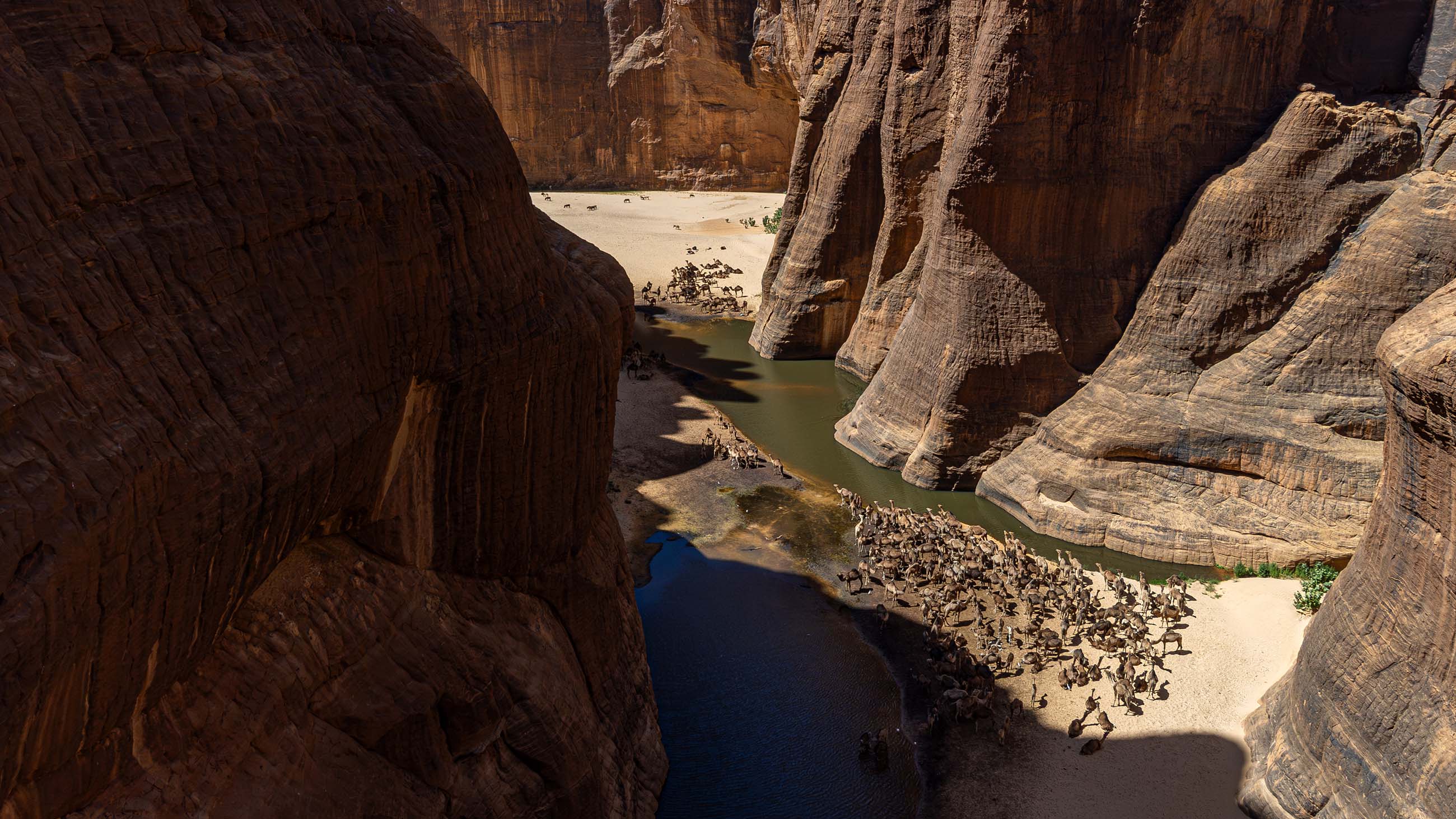
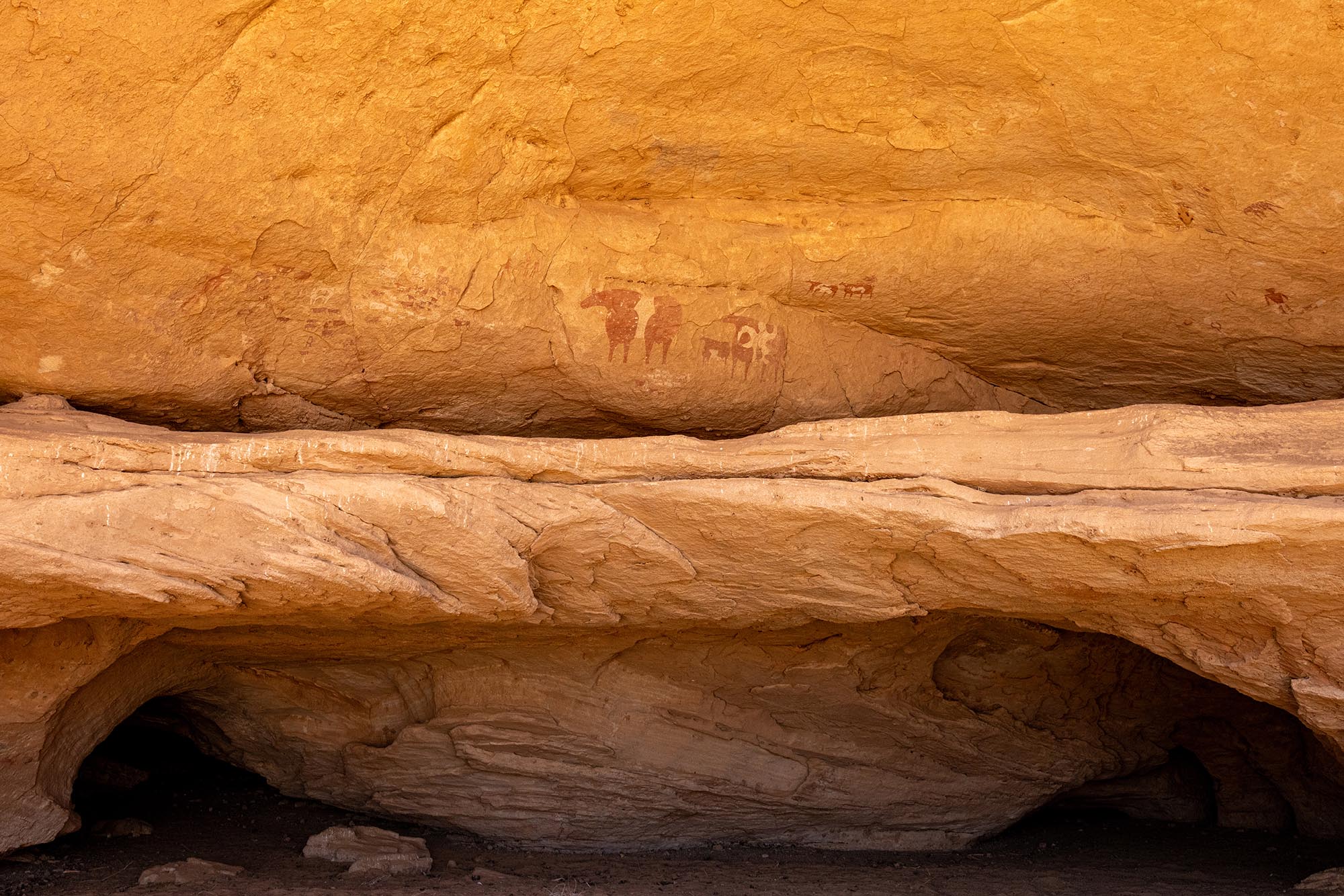
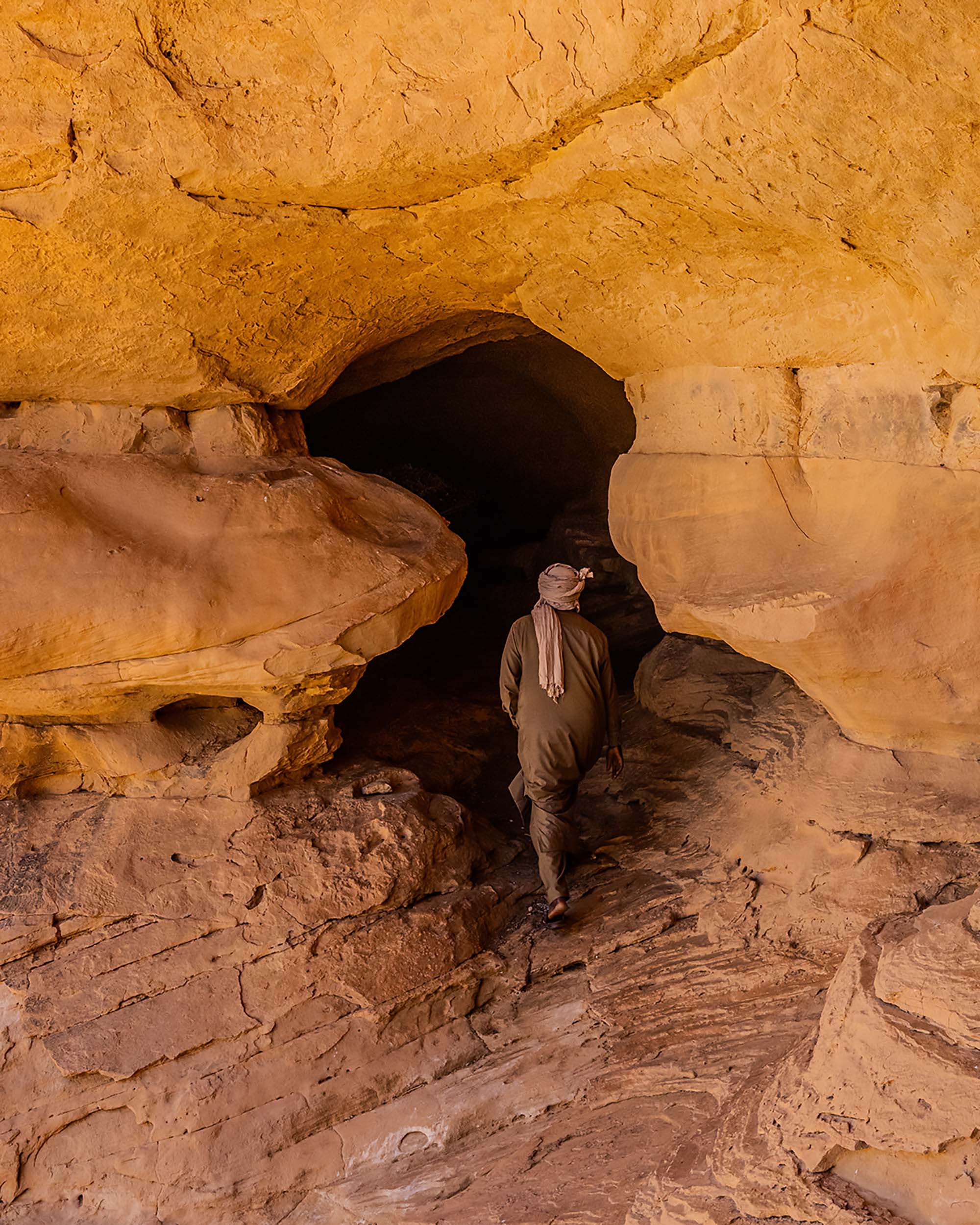
Deep in the central Sahara, the Ennedi Plateau — part of Chad’s Ennedi Massif World Heritage Site — rises out of the desert in a series of sandstone arches, towers, cliffs, and canyons sculpted over millennia by water and wind erosion. The massif’s extraordinary landscapes are paired with one of the largest known ensembles of prehistoric rock paintings and engravings. Archaeological surveys document thousands of these motifs across rock shelters and canyon walls covering thousands of square miles, and forming a deep-time record of human presence in a now-arid region.
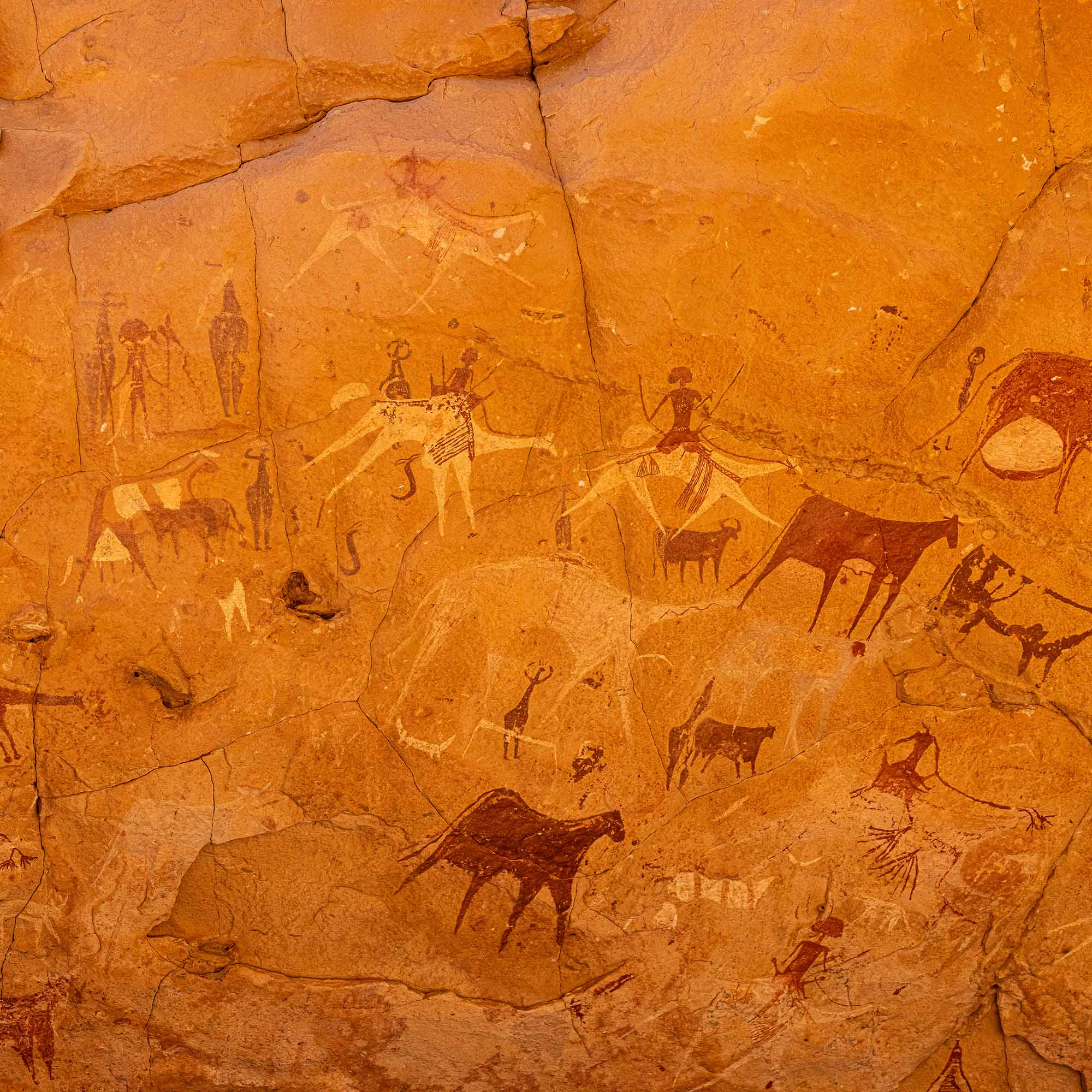
The earliest imagery includes giraffes, elephants, antelopes, and — prominently — cattle, reflecting the region’s dramatically different environmental conditions during the African Humid Period, when rivers, lakes, and grasslands spread across what is today desert. In the broader Sahara, rock art traditions document cattle herds and pastoral lifestyles between roughly 7,000 and 3,000 years ago, consistent with the rise of pastoralism across North Africa. Saharan rock art research indicates that herders are often shown with domesticated cattle and other livestock precisely in the period when the paleoenvironmental record for the region suggests increasing aridity.
In this light, scholars like Tilman Lenssen-Erz at the University of Cologne in Germany have argued that the Ennedi rock art should not be read as decoration alone, but as a visual medium embedded in social practice: a way of marking territory, transmitting shared knowledge, and situating livestock and landscape in the rhythms of pastoral life. Lenssen-Erz’s research and related archaeological investigations by the Arid Climate Adaptation and Cultural Innovation in Africa project, a 12-year-long research effort based at the University of Cologne, have proposed interpretations that link the prevalence of certain motifs and their spatial distribution to socioeconomic transformations over the Holocene.
As the African Humid Period began to wane some 6,000 years ago, northern Africa shifted toward drier conditions, with major changes in vegetation, water availability, and habitable space. Sedimentary and pollen records confirm a broad retreat of lakes and grasslands. And in the Ennedi rock art record, this climatic shift is reflected in the changing emphasis of motifs: depictions of wild fauna become less frequent while pastoral scenes and cattle dominance increase; the appearance of horses suggest interactions with populations to the north; and the appearance of camels hints at increasing reliance on an animal adapted to drying conditions.
Today, despite its remoteness and the persistent political fragility of northern Chad and neighboring border regions, much of the Ennedi rock art endures as evidence — painted on or literally etched into stone — of how human societies reorganized themselves in the face of changing environments. The photographs in this essay trace that deep-time story, written across the sandstone walls of one of Africa’s most remarkable cultural landscapes.





Matjaz Krivic is a documentary photographer capturing long-term stories of people, places, and the environment. He is based in Ljubljana, Slovenia.