









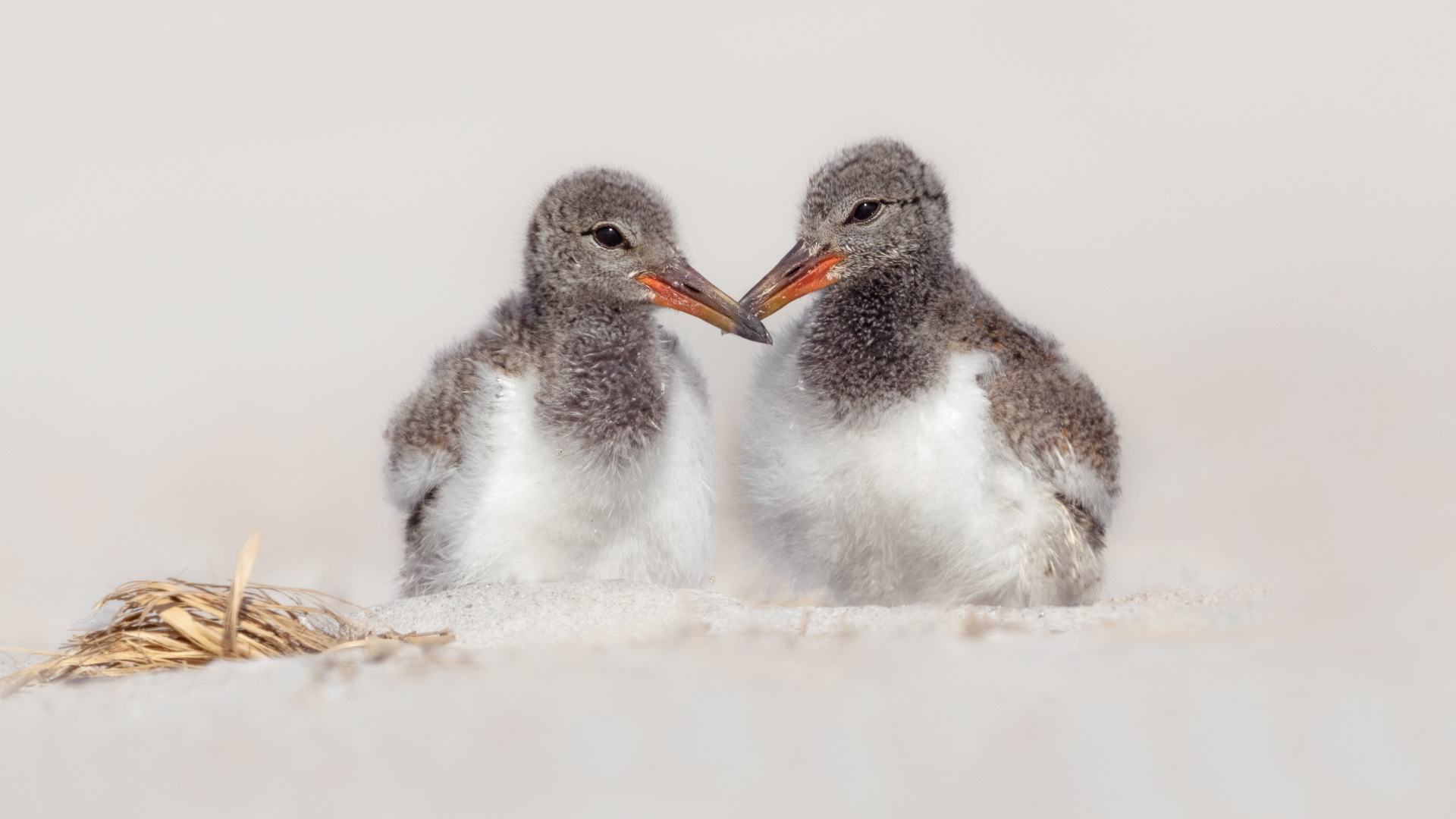


The world’s birds are in a critical state, under pressure from climate change, habitat loss, and more. A 2019 study estimated that North America had lost one-third of its birds since 1970 — a decline of nearly 3 billion. Another study published in early 2026 found accelerating rates of decline for more than 60 North American bird species, potentially driven by factors including intensive agriculture.
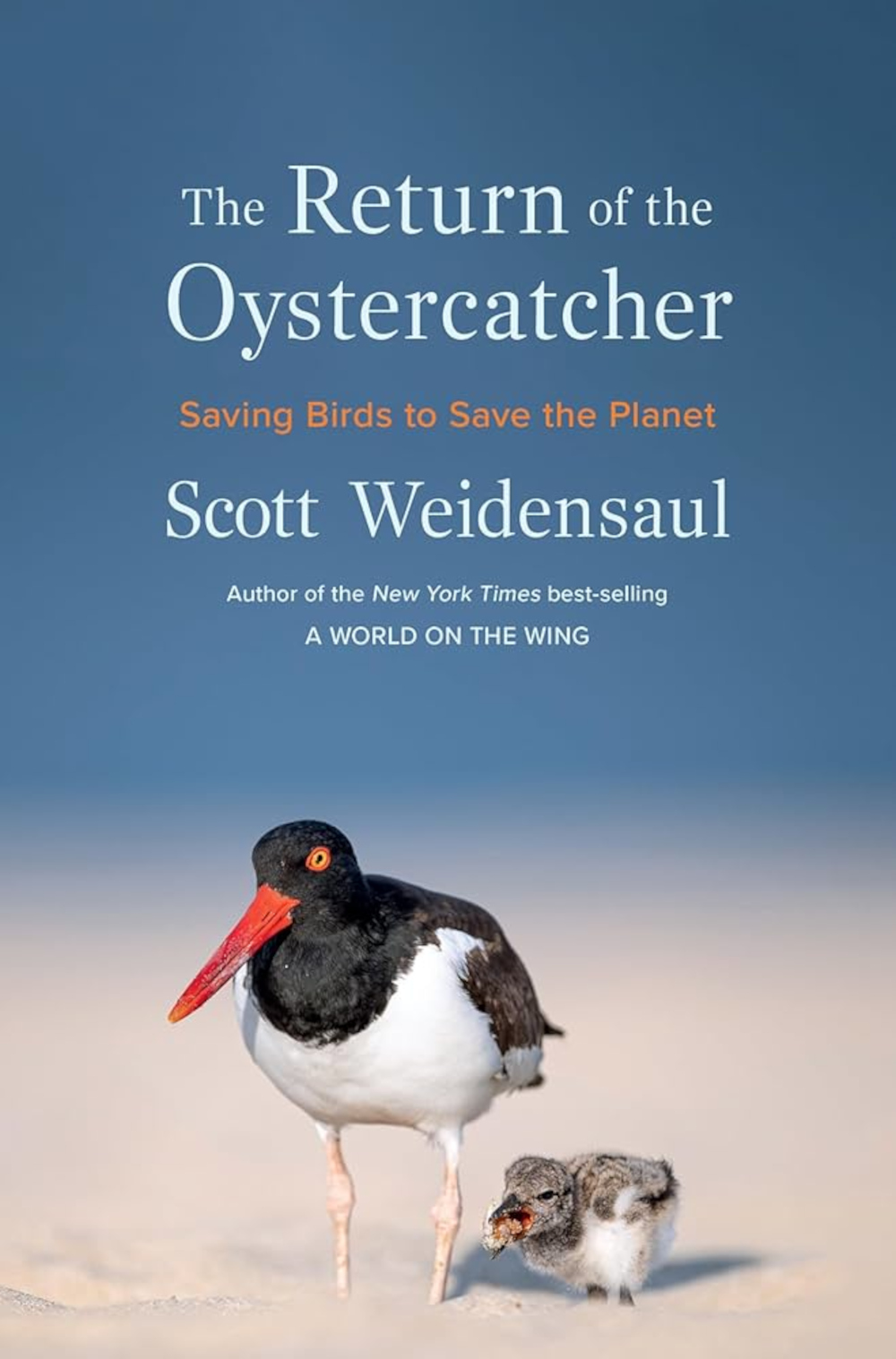
BOOK REVIEW — “The Return of the Oystercatcher: Saving Birds to Save the Planet,” by Scott Weidensaul (W. W. Norton & Company, 368 pages).
But as author Scott Weidensaul points out, some groups of birds are either thriving or rebounding. They include waterbirds like ducks, swans, and geese, as well as raptors — birds of prey with sharp talons and curved beaks, like hawks, falcons, and eagles. Weidensaul’s new book, “The Return of the Oystercatcher: Saving Birds to Save the Planet,” surveys efforts since the 1970s to save birds in many locales worldwide and spotlights successes. He delves into methods and technologies, but the stories are highly readable and never lapse into jargon. And Weidensaul’s passion for birds comes through on every page.
All around the world, “people are mapping avenues to recovery if we choose to follow them, making progress for birds,” Weidensaul writes. “Which means they are making progress for us, too, because a world that works for birds, in all their complexity of movement and ecological need, will work for everything else, including people.”
One idea that comes up repeatedly is protecting and restoring entire ecosystems so they can support the birds that use them. Weidensaul sees the rewilding movement, which is centered in Europe and seeks to restore healthy natural ecosystems on disturbed lands, as a promising response. Often it involves bringing wild versions of large grazers — cattle, horses, and more — back to the land, where their physical impacts help create a mix of habitats for birds.
One surprising example is returning water buffalo to the Danube Delta in Romania and Ukraine, where they were widely kept by farmers before the post-Communist era. The water buffalo “eats up the weeds and vegetation, creating pathways through the water and swampy habitat for other vertebrates or fish or birds,” a wetland restoration specialist explains to Weidensaul. These impacts, the scientist says, allows more light through the tangled vegetation, helping submerged water plants to grow.
“A world that works for birds, in all their complexity of movement and ecological need, will work for everything else, including people.”
Weidensaul was a Pulitzer Prize finalist in 2000 for his book “Living on the Wind: Across the Hemisphere with Migratory Birds,” and his other works include “A World on the Wing: The Global Odyssey of Migratory Birds.” He likes rewilding because it’s a big vision. “Conservation has for more than a century been a game of rearguard actions, delaying tactics, managed retreats, and an occasional small advance or victory,” he observes. “Really big ideas that engage the imagination of the general public have been rare.”
Another big idea, familiar to many birders, is Project Puffin, which was launched in 1973 on a bare 7-acre island off the midcoast of Maine called Eastern Egg Rock. This initiative restored an entire functioning colony of endangered Atlantic puffins, which had been wiped out by hunting a century earlier. It pioneered strategies that included moving puffin chicks from healthy colonies elsewhere to Eastern Egg Rock; using decoys and sound lures to make it look as though there were large flocks of puffins present, inducing these social birds to nest and form colonies; and reintroducing several species of terns along with the puffins (these two species often nest together along coastlines) to drive away predatory black-backed gulls.
As of 2024, there were about 1,500 pairs of Atlantic puffins on Maine islands that were protected or restored by conservation groups. There are ongoing challenges, such as warming waters in the Gulf of Maine, which could affect puffins’ preferred fish prey. But Weidensaul finds cause for hope that this resilient species will be able to keep adapting.
Now conservationists are using techniques from Project Puffin to help endangered seabirds, including Hawaiian petrels and Newell’s shearwaters, recover on the Hawaiian island of Kaua’i. The main threats to these species are introduced predators, particularly feral cats, and collisions with power lines. Weidensaul climbs steep, slippery hillsides with conservationists to visit exclusion zones — fenced areas on high hills and cliffs that offer the birds safe nesting spots. As in Maine, scientists have dug artificial burrows and then played recorded birdcalls to attract petrels and shearwaters to the humanmade colonies. Local utilities are hanging dangly objects called diverters from power lines to help birds avoid the wires.

Only a small fraction of the target species nest in the protected areas, and there are many other threats beyond, from invasive plants that choke nesting zones to distraction from towns’ lights at night. Nonetheless, petrel and shearwater colonies are increasing, he writes. Removing introduced predators to protect birds is also taking place in other locations, including New Zealand and the Aleutian Islands in Alaska.
Weidensaul adds balance to the book by discussing some conservation failures. In Northern England, for example, a long history of shooting raptors continues today, reinforced by companies that manage moorlands for grouse hunting. “Raptor persecutions via gun, poison, and trap by and large map directly onto the areas with the largest gamebird shooting activity, and since 2009, 75 percent of those convicted of offenses related to raptor persecution have been connected with the bird-shooting industry, 68 percent of them gamekeepers,” he writes. “Any raptor may become a victim.” Despite bird groups’ best efforts, pressure from wealthy landowners ensures that few people who harm raptors are ever punished.
There also have been setbacks at one of the most ambitious rewilding projects in Europe, a reserve in the Netherlands called Oostvaardersplassen. Its creators fenced off this 14,000-acre tract of marshy land and brought in heritage breeds of cows, ponies, and deer to graze on woody plants, keeping the space open. The preserve, which was isolated and lacked natural predators, attracted thousands of breeding and migrating birds, and the population of grazing mammals also boomed. But during a series of harsh winters starting in 2011, thousands of those ungulates starved or had to be humanely euthanized. Today the reserve is under new policies designed to keep it from becoming overpopulated.
“Conservation has for more than a century been a game of rearguard actions, delaying tactics, managed retreats, and an occasional small advance or victory. Really big ideas that engage the imagination of the general public have been rare.”
Weidensaul is clear-eyed about setbacks like this, but still calls for aiming high. As an example of what’s needed, he cites the East Asian-Australasian Flyway Partnership, a multi-billion-dollar plan by the Asian Development Bank and some 40 other organizations to protect wetlands along one of the world’s great migratory bird routes. With the political resolve to make more commitments like this, he writes, “we could certainly begin to address the shared problems that face both shorebirds and the huge slice of the country’s population that lives in coastal zones at increased risk from storms and flooding. It’s a matter of will.”
For more than 60 years, since Rachel Carson spotlighted the environmental impacts of pesticides in “Silent Spring,” conservationists have warned that human choices have vast impacts on the bird world. “The Return of the Oystercatcher” shows that we know much of what needs to be done for birds at risk: End hunting, protect habitat, map their life cycles to pinpoint threats, and rebuild more colonies where birds can thrive and inspire humans to do better.
In Weidensaul’s view, it will be well worth the effort: “Whatever we give back to birds — our passion, our voices, our resources, our righteous anger that motivates us to action — it is a small repayment for the gifts they unknowingly offer us.”
Jennifer Weeks (@jenniferweeks83.bsky.social) is a Boston-based journalist and former senior editor at The Conversation U.S. Her articles have appeared in Audubon, Slate, The Boston Globe Magazine and many other outlets.