








The Future of Sex as a Biological Variable in Health Research


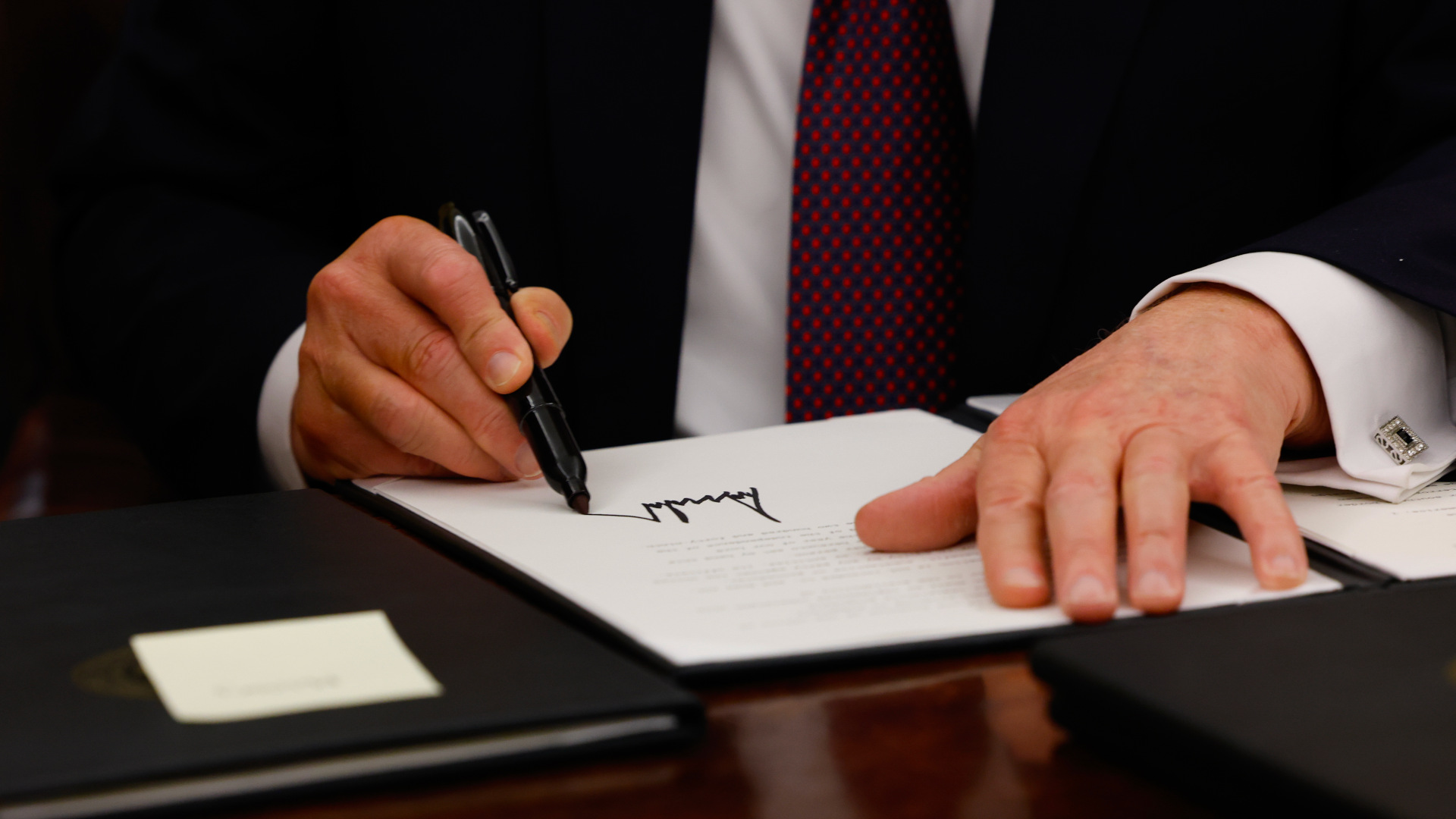
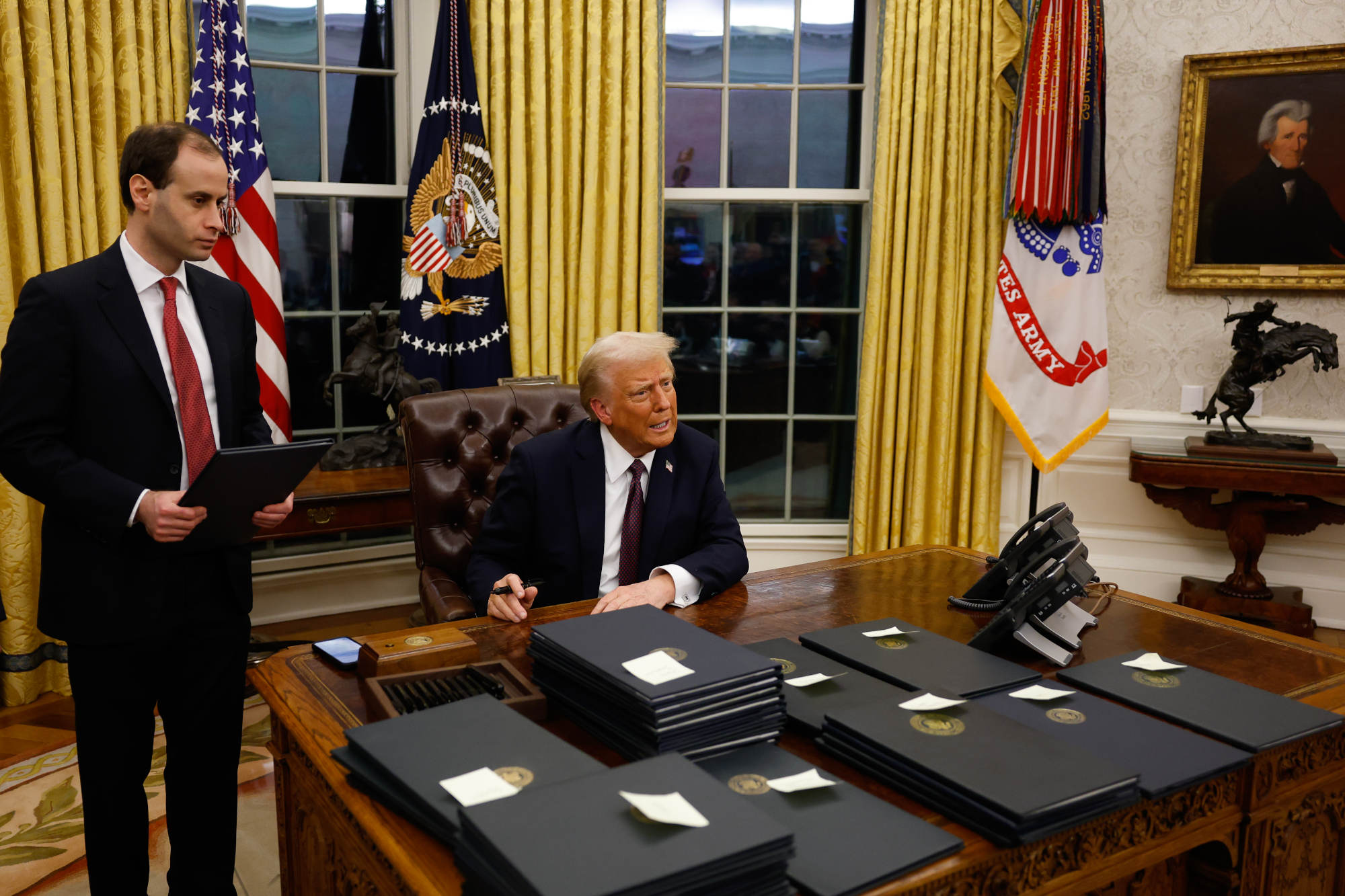
On Jan. 20, 2025, his first day back in office, President Donald Trump signed an executive order declaring that the United States would henceforth recognize only two sexes, male and female. Trump framed the move as one meant to protect the dignity, safety, and well-being of women. But the order also upended a long-standing policy at the National Institutes of Health — one that was crafted to ensure that females are adequately represented in biomedical research.
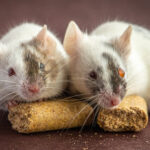
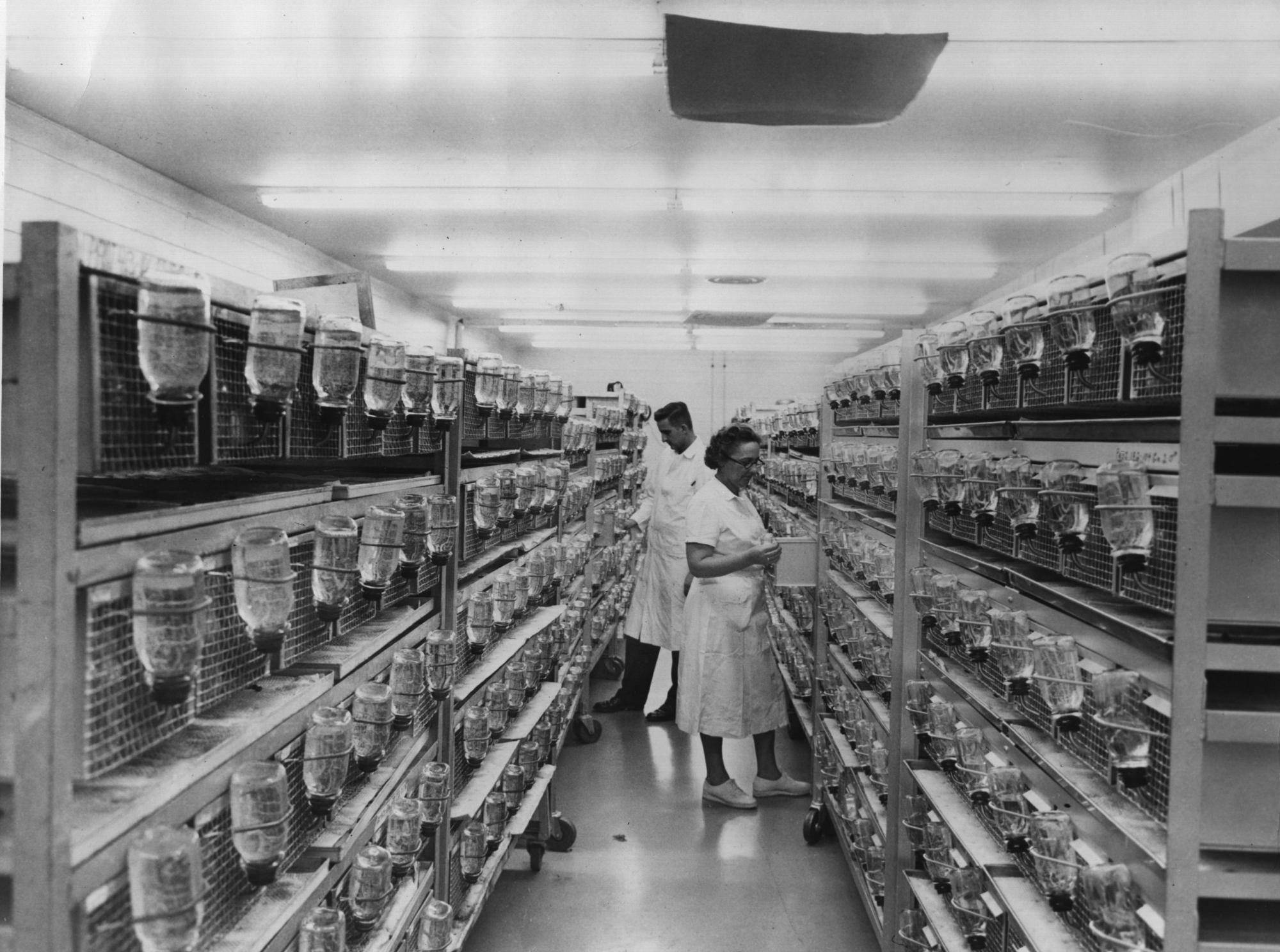
Implemented a decade ago, the Sex as a Biological Variable policy, or SABV, addressed an important shortcoming: Evidence had shown that diseases and drugs can in some instances affect women and men differently, yet scientists mostly used male animals in their preclinical lab experiments, leaving important questions about the effects on female bodies unanswered. The NIH had grown increasingly concerned that male-only lab research wasn’t generating the data needed to inform clinical trials that include women. The SABV set out to reverse this long-standing bias.
Developed with leadership from the NIH’s Office of Research on Women’s Health (ORWH) and announced in 2015, the policy directed federal funding applicants to explain how they were accounting for potential sex differences in preclinical research. Applicants proposing to study just one sex had to provide clear rationales for why they were excluding the other. And if proposal reviewers didn’t think the application adhered to the policy, then funding was less likely to be approved.
Applicants who had any questions about how to implement the policy could turn to the SABV’s webpage and the ORWH’s website for guidance. The ORWH’s site had grown into an online resource packed with courses, published papers, and information on research methods relevant to sex differences, and increasingly, gender differences as well.
Within days after Trump’s inauguration, the webpage that detailed the SABV policy suddenly read “Access denied,” sparking a panic that the SABV “was just going to entirely be dissolved,” said Rebecca Shansky, a neuroscientist and chair of the Department of Psychology at Northeastern University who researches sex differences. A short summary of the policy was later made available again on the ORWH’s website.
Evidence had shown that diseases and drugs can in some instances affect women and men differently, yet scientists mostly used male animals in their preclinical lab experiments.
More than a year later, the ORWH doesn’t appear to have commented publicly about these changes. And the resulting confusion has left some scientists concerned that following the policy could make them targets of the administration’s war against diversity, equity, and inclusion, or DEI, initiatives. “Everyone who has over the last 10 years been trying to adhere to this policy is now saying, ‘Is adhering to the policy going to decrease my likelihood of getting funded?’” said Shansky.
Margaret McCarthy, a neuroscientist at the University of Maryland School of Medicine, models brain development in rodents as part of her research into sex-related differences in autism. She said she has become more cautious about word choice in her NIH grant applications, hoping to avoid a rejection or a terminated research project. Federal agencies have listed dozens of terms to avoid. A list compiled by The New York Times includes the words “female,” “females,” “gender,” “sex,” and “women”— but, notably, not “males.”
“We’ve had no clear guidance on what is or isn’t in line with the administration’s priorities,” McCarthy said.
Neither the ORWH nor the Department of Health and Human Services responded to requests for comment from Undark. However, a social scientist in the NIH Office of the Director who spoke under conditions of anonymity — citing fears of retribution — provided an insider’s view of what has happened to the SABV since Trump was re-elected.
The insights reveal how a blunt political instrument — the executive order — has thrown a well-intentioned scientific policy into disarray. Scientists now find themselves trying to preserve the principles of the SABV, while trying to anticipate how far the government’s anti-DEI agenda might reach into their own labs. More than a year later, some 800 pages of content on the ORWH website are still gone, according to the NIH source.
The SABV built on a long history of addressing sex disparities in biomedical research. In 1993, Congress passed the NIH Revitalization Act, which for the first time mandated that federally funded clinical studies had to include women. Just as lab research was typically restricted to male animals, clinical trials up to that point had enrolled mostly men, prompting worries that the evidence for drug approvals left women vulnerable to potentially ineffective or even risky treatments.
Evidence bore out those concerns: For instance, researchers discovered that women metabolize zolpidem, a top-selling sleep aid marketed under the brand name Ambien, more slowly than men do. The possibility that zolpidem might linger in the bloodstream, possibly putting women at higher risk for next-day drowsiness and other functional impairments, led the Food and Drug Administration to issue sex-specific dosing recommendations for the drug in 2013. The Revitalization Act fueled progress: By 2009, a review of studies in two U.S.-based journals found that more than 60 percent of studies performed with human subjects were reporting data for both sexes.
“Everyone who has over the last 10 years been trying to adhere to this policy is now saying, ‘Is adhering to the policy going to decrease my likelihood of getting funded?’”
But even as sex disparities were narrowing in clinical trials, they remained a glaring issue with animal research in the lab. Researchers were excluding females from their experiments due to a variety of concerns. Some pointed to the perceived burdens of accounting for hormonal fluctuations during the estrous cycle — a brief period of fertility during which female mammals are most receptive to mating — more commonly known as “heat.” Certain hormones including estrogen and progesterone rise and fall before and after ovulation, and researchers worried that if these changes weren’t closely monitored during lab experiments, potentially at considerable expense, they might complicate the interpretation of results. Other researchers countered that males are also hormonally variable. Indeed, a 2016 study involving more than 50 strains of rats showed that the males were generally even more variable than females were.
When researchers did experiment with male and female animals, sex-related differences turned up frequently. One widely cited study from 2015 showed that male — but not female — mice use immune cells called microglia to transmit pain signals through the nervous system. Blocking microglia didn’t suppress pain in female animals, suggesting that pain sensitivity itself is sex-dependent, said Jeffrey Mogil, a neuroscientist at McGill University who led the study.
Findings on similar sex differences prompted Francis Collins, then the NIH director, and Janine Clayton, director of the ORWH, to publish a 2014 comment in Nature in which they stated that overreliance on male animals and male-derived cells in the lab “obscures key sex differences that could guide clinical studies.” The article announced emerging NIH efforts to balance male and female animals in preclinical research, and the SABV came into effect less than two years later.
The SABV achieved some progress. One survey of biomedical studies published in 2019 found that nearly half had used male and female animals, compared with 28 percent of studies published 10 years earlier, an increase that the investigators described as encouraging. During a 2020 survey of U.S. scientists, more than a third reported that they had altered study designs to comply with the policy.
Mogil argues that the SABV was globally influential, prompting other countries to adopt similar policies of their own. The NIH is the “most impressive scientific organization that’s ever existed in the world,” he said. “So, when the NIH, for example, puts in an SABV policy, everyone else in the world starts to do it.”
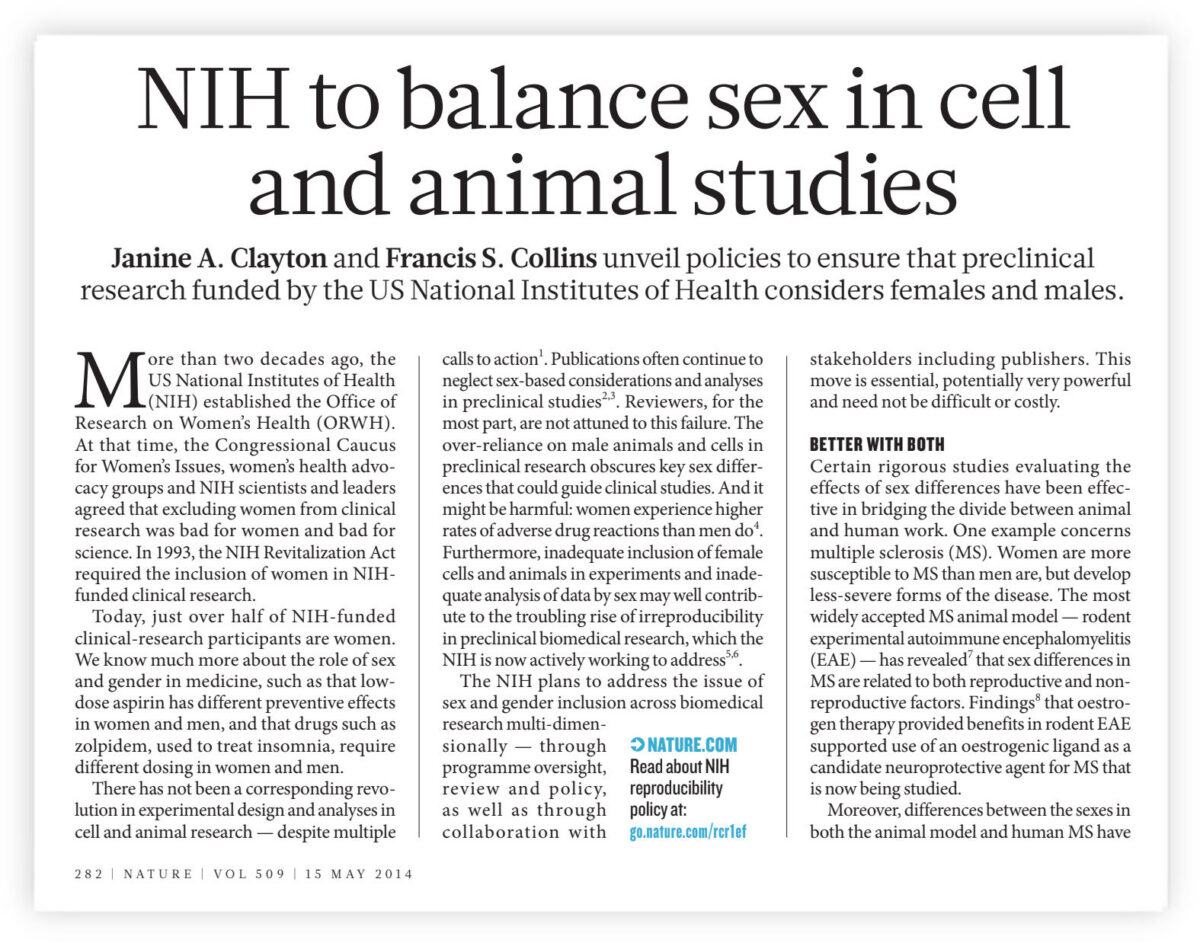
In a 2014 Comment in Nature, Janine Clayton and Francis Collins announced emerging NIH efforts to balance male and female animals in preclinical research, and the SABV came into effect less than two years later.
Scientists have since reported sex-specific insights relevant to type 2 diabetes, Covid-19, and Alzheimer’s disease, among other human health problems. The SABV has been instrumental in showing that the mechanisms that drive fundamental physiological processes “may be more diverse than we previously appreciated,” Shansky wrote in an email. However, it’s still too soon to detect an impact of the SABV on the pharmaceutical industry or clinical trials, “which are achingly slow in applying what they’ve learned from academic science,” she said.
When the online presence of the SABV policy temporarily vanished after Trump’s return to office, it wasn’t because of anything to do with its mandates on studying males and females equally, according to the NIH staffer. Instead, the materials were pulled to sidestep potential conflicts stemming from the administration’s attacks on what it called “gender ideology.”
The ORWH has long maintained that gender exerts its own unique influence on health outcomes. Prior to the most recent Trump administration, the office’s website defined gender as distinct from sex — a multidimensional concept that includes the “socially constructed roles, behaviors, expressions, and identities of girls, women, boys, men, and gender diverse people.” Sex, by contrast, is described as “a biological classification, encoded in our DNA.”
Trump’s executive order rejects that distinction, stating rather that ideologues have replaced the biological category of sex with “an ever-shifting concept of self-assessed gender identity” that is “unmoored from biological facts.” Arguing that this view supports the “false claim that males can identify as and thus become women and vice versa,” the order directed federal agencies to use the term “sex,” and not “gender,” in policies and documents, and to delete any wording that might “promote or otherwise inculcate gender ideology.”
The SABV has been instrumental in showing that the mechanisms that drive fundamental physiological processes “may be more diverse than we previously appreciated.”
Staffers at the ORWH overcomplied with these demands, the NIH source said. The word gender was all over documents linked to the SABV webpage, “so just everything came down.” The ORWH is now painstakingly combing through the documents to remove text that could draw the administration’s ire. Some of the documents will likely be reposted, while others are unlikely to be, they added. For instance, a narrated PowerPoint course covering the differences between sex and gender and “why both are important” was taken down, the NIH source said. A legal settlement announced in September requires HHS to restore certain webpages, including from NIH, it had removed earlier in 2025. The NIH source said those pages have not yet been restored.
As for the SABV’s mandate to evaluate male and female animals in preclinical research, it remains in place as long as scientists “want to assume that sex is always a neat and tidy binary variable,” the source said. “If you just want to talk about males and females — go for it. But if you want to talk about the social factors that influence health, you are not going to get funded.”
The SABV’s focus on gender had been building for years. Early on, documents associated with the SABV mentioned gender relatively little compared to sex, and mostly because the ORWH “needed to distinguish it from what they were interested in, which was sex,” said Donna Maney, a neuroscientist at Emory University who studies how sex and gender are used as variables in biomedical research. Around five years ago, the NIH began a broader push to integrate gender into its research priorities, according to Maney. Some researchers were arguing that an overemphasis on sex might distract investigators from the effects of gendered environments, and, as Mogil and other scholars put it in a 2024 commentary, ignore “transgender people and other individuals who do not fall within these binary categories, leading to their further marginalization in society.” Mogil’s commentary cautioned against abandoning male-female comparisons, noting they were “practical and powerful” for biomedical research.
But the shift toward a more gender-centric SABV appeared to be underway. The NIH started hosting workshops and listening sessions focused on gender, and there were new hires at the ORWH, Maney said, including “at least one person who had a background in gender studies who was trying to bring about a small change from within.” By the time Trump returned to office, a section of the ORWH website focused on sex and gender in research was listing programs or funding opportunities for research on sex and gender differences, and mentioned a 2022 workshop on “structural sexism,” “gender norms,” and “relational power dynamics,” among other topics. All of those resources have since been removed.
Staffers at the ORWH overcomplied with Trump’s executive order, the NIH source said. The word gender was all over documents linked to the SABV webpage, “so just everything came down.”
Angela Kaida, the scientific director of the Institute of Gender and Health at the Canadian Institutes of Health Research, argues that gender bears on health in important ways. Gender norms and roles, she said, drive expectations over who does most of the caregiving in society. “How does gender show up when we go to access health care services?” she asked. “How do we believe people’s symptoms based on gender constructs?” Kaida pointed out that it can take a year or longer for women to be diagnosed with the same condition as men. Women are more susceptible to developing chronic pain, Mogil added, and that pattern seems tied more to “gender roles over any hormonal explanation.”
There’s been some uncertainty over how gender fits into the SABV’s intended scope. The policy was launched specifically to address sex as a biological variable in preclinical research, chiefly with vertebrate animals, which do not have genders. McCarthy noted that human studies — where gender is a factor — can fall under the SABV, and meanwhile, Maney asserted in an email that as far as she knows, the “SABV has always been about biological sex.”
Get Our Newsletter

The question may now be moot — at least for the time being — given that the current NIH leadership’s position “is that gender does not exist,” said Jenna Norton, a program officer on administrative leave from her role overseeing health disparity research at the National Institute of Diabetes and Digestive and Kidney Diseases, who noted that she was speaking in a personal capacity. (HHS did not respond to a request for comment about Norton’s administrative leave.)
Trump’s executive order did win praise from conservatives, among them Aaron Kheriaty, a psychiatrist and bioethicist at the Ethics and Public Policy Center, a Washington, D.C., organization that bills itself as applying “Jewish and Christian traditions” to politics, law, and culture. Kheriaty acknowledged that the order may have been ham-fisted in its zeal to purge gender ideology from the federal government. Some nuanced and important NIH-funded research may have been tossed out with the bathwater, he asserted. But Kheriaty also said that “folks that championed the gender as a social construct within the house of medicine and within the scientific establishment have quite a bit to answer for,” asserting that introducing gender as a social construct into biomedical science had caused confusion. “There’s some serious cleanup that needed to happen,” he said.
“If you just want to talk about males and females — go for it. But if you want to talk about the social factors that influence health, you are not going to get funded.”
Still, the executive order — and its consequences for the NIH — has also left devastated researchers in its wake. Vani Pariyadath, the former chief of the behavioral and cognitive sciences branch at the National Institute on Drug Abuse, quit the NIH because she opposed language changes she was being asked to make to funded grants. Program officers “had no say in the matter” for the termination of grants, she said, and it wasn’t clear where the orders were coming from. An unnamed person within the NIH Office of the Director, she said, would tell program officers that “these grants were to be terminated and there was no discussion.”
The ORWH now has a third of its positions open, and those employees who remain — including its director, Janine Clayton — have assumed “a risk-averse position,” said the NIH staffer. “The fear of retribution is quite real.” After engaging in NIH-wide discussions about how to update the SABV and inclusion policies to more thoroughly account for gender, it’s “been very disorienting to be going the complete opposite way.
“Everybody’s miserable,” she added. “It’s like going to a funeral every day.”
How did the Trump administration come up with this sexist stuff?