








In July 2023, I was running in the Houston airport, desperately trying to get a flight home to Los Angeles, when I fell. When I finally sat up several minutes later, my brain was spinning. Something was terribly wrong with me. The next thing I knew, I was rushed by ambulance to a local hospital.
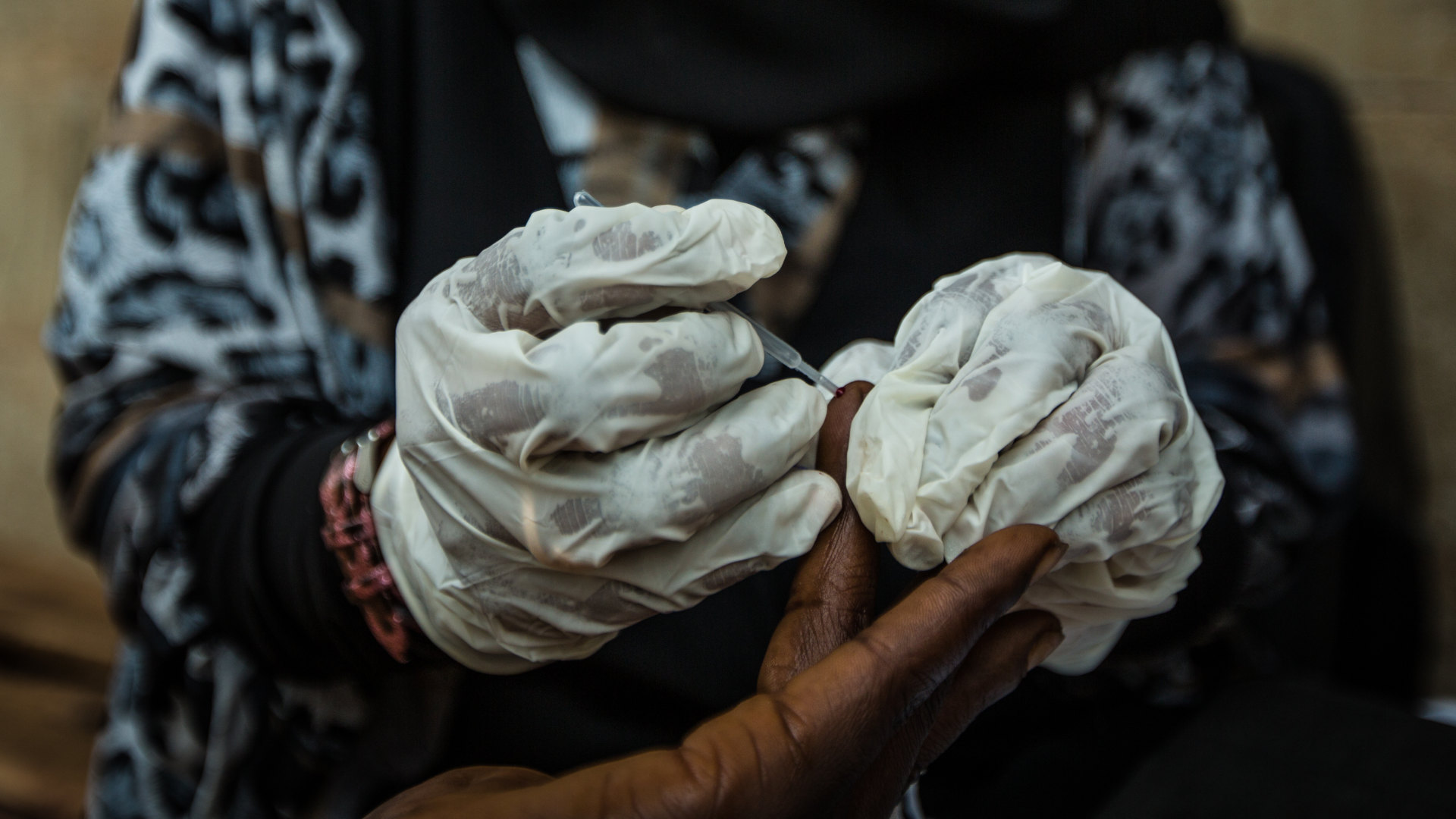
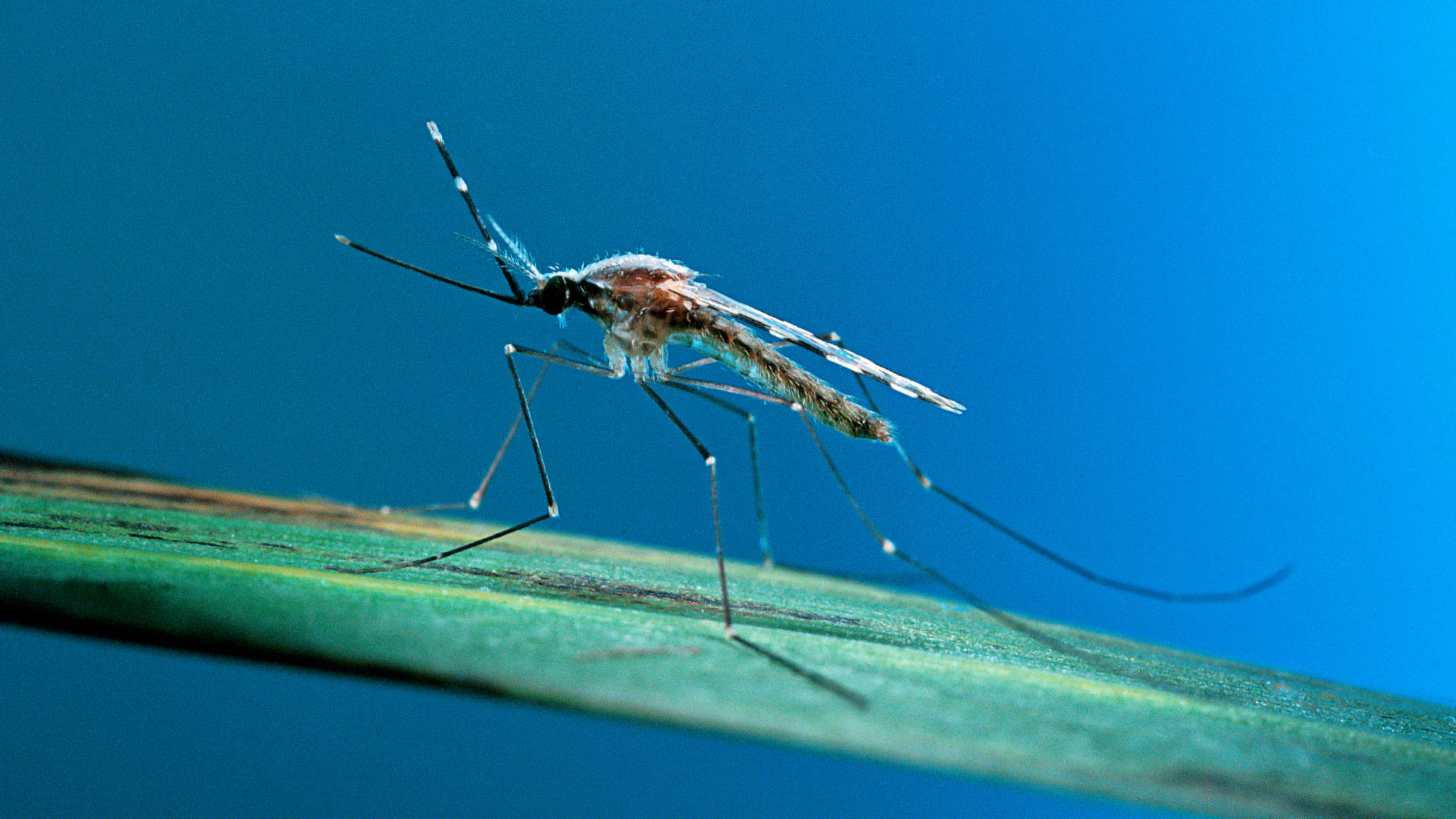
By then I was barely coherent, but someone in the emergency room asked a critical question: Had I traveled outside the U.S. recently? Ten days or so before, I had been on a reporting trip in Zambia. This triggered a call to the hospital’s infectious disease expert, Essam A. Girgawy. Because of his experience treating tropical diseases, the Egyptian-born doctor suspected I had malaria and ordered a blood test. The results were dire: According to what my husband was told, about 20 percent of my red blood cells were infected with Plasmodium falciparum, the most dangerous type of the parasite that causes malaria. He was warned that I might not survive. All because of the bite of a single infected female Anopheles mosquito.
In that instant, I became one of roughly 2,000 Americans each year who get malaria, mostly while traveling in Africa. There, the mosquito-borne disease infected an estimated 246 million and killed 569,000 people in 2023, most of them children under 5 years old, according to the World Health Organization. But even as I was in the intensive care unit, the U.S. Centers for Disease Control and Prevention had been recording the first homegrown cases in 20 years. The agency quickly put out a nationwide advisory, urging health care providers and public health officials to check for malaria in patients with inexplicable fevers. Ultimately, 10 cases popped up in Texas, Florida, Arkansas, and Maryland among people who had not traveled abroad.
Because malaria — once endemic in the U.S. — was eliminated in 1951 through aggressive public health efforts, most Americans nowadays are complacent. We no longer have that luxury. Progress against the disease is under massive assault, even though there are antimalarial drugs, tools to prevent mosquito bites such as insecticide-treated bed nets, and now, the first two children’s vaccines in history being rolled out in 20 countries in Africa.
But even as I was in the intensive care unit, the U.S. Centers for Disease Control and Prevention had been recording the first homegrown cases in 20 years.
President Donald Trump’s administration has severely weakened the world’s ability to fight malaria. In a move that stunned global health officials, Trump, Secretary of State Marco Rubio, and former head of the Department of Government Efficiency, Elon Musk, dismantled the U.S. Agency for International Development, or USAID, shuttering programs and firing thousands of employees. For decades, the humanitarian aid agency funded vital health care projects in disease prevention and treatment across the globe. One program, the President’s Malaria Initiative, or PMI, was started by President George W. Bush to help prevent malaria in Africa’s hardest-hit countries. Last year, one PMI project protected 12.5 million people by spraying insecticide inside homes and killing mosquito larvae at breeding sites. USAID is now gone, and due to steep funding cuts, PMI is virtually gone, too.
The CDC, considered the gold-standard public health agency across the world, has also been eviscerated. Its Division of Parasitic Diseases and Malaria was at the forefront of studying and controlling the disease. Out of the blue, the division was dismantled, its staff gutted, and millions in federal funding for malaria cut, according to reporting by Politico. CDC scientists who had been working in other countries were abruptly ordered to return to the U.S. Former employees of the division said that the remaining staff, who were transferred to other agencies, hope to continue focusing on malaria and other tropical diseases.
Maybe they’ll succeed. But the upshot is that the CDC will be far less prepared for malaria cases in the U.S. In my case, the life-saving antimalarial drug artesunate wasn’t easily available. My husband later told me it was created at a CDC facility and took two days to arrive at the hospital.

The chaos at the agency has been relentless. On Aug. 27, Health and Human Services Secretary Robert. F. Kennedy Jr. ousted CDC director Susan Monarez, who had been sworn in only four weeks prior, after she pushed back against pre-approving his unscientific vaccine recommendations. Four top CDC officials with deep experience resigned in protest. This came after a man with a grudge against Covid-19 vaccines peppered the agency’s Atlanta headquarters with bullets earlier in the month. Shortly after Monarez’s firing, in a scathing op-ed in The New York Times, a number of former CDC directors criticized Kennedy’s approach and called for actions to protect Americans’ health.
This is all happening as climate change is driving malaria-infected mosquitoes to regions and cities they’ve never been before. In August, two cases of malaria surfaced in Washington and New Jersey, suspected of being caused by local malaria-carrying mosquitoes. As of last month, health officials are still investigating. In Washington, the Department of Health has laid mosquito traps to collect data to see if other mosquitoes might be harboring the malaria parasite. Also, in recent years the Anopheles stephensi mosquito has been spreading across multiple countries in sub-Saharan Africa. Not only has this species been shown to demonstrate insecticide resistance, but unlike other malaria-causing mosquitoes, it thrives in urban areas.
The upshot is that the CDC will be far less prepared for malaria cases in the U.S.
I was hospitalized for nearly three weeks. I’m beyond grateful to the doctors, nurses, and health care professionals in Houston who saved my life. I’m equally indebted to the medical researchers and scientists whose devotion to this complex disease created the drug that resurrected me.
I didn’t take preventive antimalarial pills prior to my trip because of concerns over the side effects. I had also received advice that winter in Zambia was too cold for mosquitoes, which was proven wrong. If not for the CDC, I would have died.
I will never forget my terrifying ordeal. I hope Americans wake up to the danger we’re facing and fight to protect science and our extraordinary system of public health. For those of us who’ve been unfortunate enough to experience malaria, it’s unforgettable.
Mona Gable is a writer based in Los Angeles who has traveled to more than 35 countries. She is the author of the book “Searching for Savanna.”